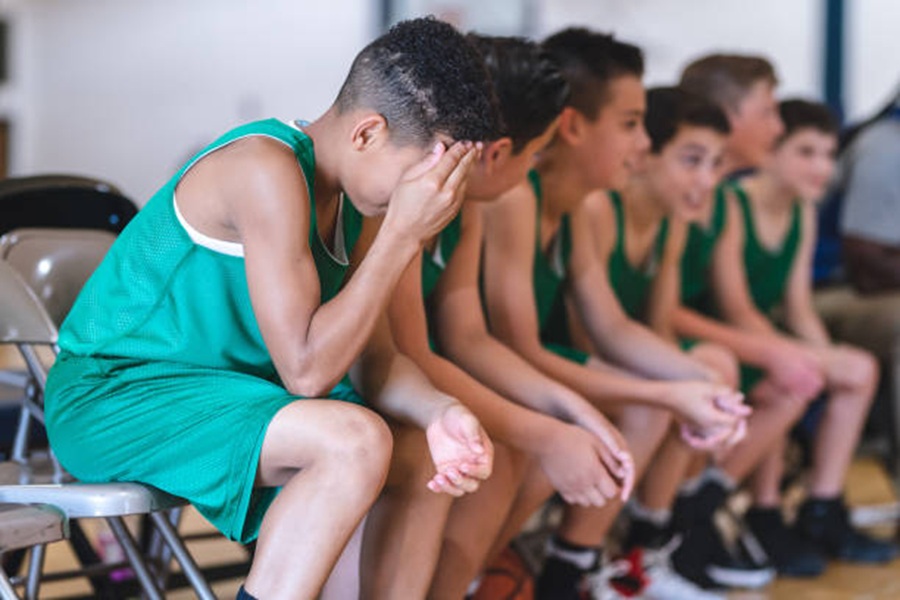
For most athletes, virtual mental performance coaching can build focus, confidence, and composure as well as in-person coaching does. These skills are taught through conversation, guided practice, and rehearsal, and none of that needs a shared room. Research on services delivered by video supports this, though studies comparing the two formats in sport are still limited.
In-person coaching adds the most value for athletes who build trust more easily face to face, including some younger athletes, and for team work that benefits from everyone being in the room. The right choice is the format your athlete will show up to consistently and practice between sessions.
MindBalanceSPORT offers both, with in-person coaching in McLean, VA and Plano, TX and secure virtual coaching nationwide, so this guide isn’t selling one over the other. It explains how each format works, when in-person adds the most value, how a virtual session runs, and what your family needs at home.
Key Takeaways
- Virtual mental performance coaching can build focus, confidence, and composure as well as in-person coaching for most athletes, because these skills are taught through instruction, rehearsal, and practice rather than physical proximity.
- Research on services delivered by secure video shows outcomes comparable to face-to-face sessions, though head-to-head studies of sport coaching are still limited.
- In-person coaching adds the most value for athletes who build trust and engage more easily face to face, including some younger athletes, and for on-site team work.
- For virtual sessions, families need a private room, a laptop or tablet with a camera, stable internet, and space for the athlete to stand and move.
- MindBalanceSPORT offers both formats: in person in McLean, VA and Plano, TX, and virtually nationwide, all built on The MBS Approach.
Table of Contents
Is Virtual Mental Performance Coaching as Effective as In-Person?
Research suggests virtual mental performance coaching can be as effective as in-person coaching for most athletes, though studies comparing the two formats in sport are still limited. Here’s what the evidence does and doesn’t say.
Services delivered by video hold up well. A 2018 meta-analysis of 12 studies in Clinical Psychology & Psychotherapy found that psychological services delivered by secure video produced outcomes comparable to face-to-face sessions (Norwood et al., 2018). Ratings of the working relationship ran somewhat lower over video, and the authors couldn’t rule out a modest gap there. Those studies looked at clinical care, not coaching, so treat them as a strong signal rather than proof for mental performance work.
Online mental skills training with athletes is promising, with limits. In a 2025 randomized trial in the International Journal of Sports Medicine, 53 student-athletes completed a six-day online version of Mindful Sport Performance Enhancement (MSPE), a program MBS co-founders Dr. Brenna Chirby and Dr. Jones are trained in. Compared with a waitlist group, they improved in emotional reappraisal and on a sport mental health measure. Their self-rated performance didn’t change significantly. The lesson: online delivery can move the underlying skills, but a short program isn’t the whole job. Skills need repetition, testing in real competition, and adjustment over time.
The profession treats online work as a real delivery option. The Association for Applied Sport Psychology (AASP), which awards the Certified Mental Performance Consultant (CMPC) credential, offers professional training on delivering mental performance services online. It notes that online work, like in-person work, has its own benefits and risks to manage. Notes from that training add that young athletes can still be engaged online.
What matters most in either format is the same: a well-matched coach, a structured plan, and an athlete who practices between sessions.
How Do Virtual Sessions Work Compared to In-Person?
Virtual sports psychology and mental performance sessions follow the same structure as in-person sessions: the coach, the plan, and the skills stay the same, and only the room changes. At MBS, both formats run on The MBS Approach, the same five-stage framework from the first MBS Mindset Assessment through ongoing refinement.
The practical differences come down to logistics, setting, and attention. Virtual sessions remove the drive and let an athlete practice skills in their own space. In-person sessions give the coach a full view of posture and movement and remove home distractions.
Both formats teach the same skills; the differences are mostly about convenience, setting, and how your athlete engages.
| Virtual Coaching | In-Person Coaching | |
|---|---|---|
| Where it happens | The athlete's home, dorm, or hotel room on the road | An MBS office in McLean, VA or Plano, TX |
| Travel time | None | Drive to and from the office |
| Fitting around practice and travel | Easiest; sessions can travel with the athlete | Depends on distance and traffic |
| Coach matching | Matched on sport and goals, not drive time | Matched among coaches who see athletes at that office |
| Practicing where skills get used | Strong: routines rehearsed in the athlete's own space, with their own gear | Practiced in the office, then applied at home and in competition |
| Reviewing game film | Simple screen-sharing | Shared screen in the room |
| Reading body language | Good from the shoulders up; the athlete steps back for full-body drills | Full view of posture, breathing, and movement |
| Younger athletes | Works for many with shorter, more active segments, and a parent can join on screen, just as they would in the room | Often easier for kids who connect best face to face |
| Privacy | Depends on a closed door | Built in |
| Team sessions | Good for education workshops and rosters spread across locations | Good for on-site game prep and culture work |
| Often the better fit for | Teens, collegiate and elite athletes, busy families with young children, athletes outside DC and Dallas–Fort Worth | Athletes who connect more easily face to face, younger athletes, local families who want an in-person relationship with their coach |
Why Virtual Coaching Works for Focus, Confidence, and Composure
Focus, confidence, and composure are built through instruction, guided rehearsal, and practice between sessions, and each of those carries over well to video. Here’s how the core skills translate.
Breathing and Resetting Under Pressure
A coach can see an athlete’s breathing pace on camera and cue it in real time. The athlete practices a reset, like a slow exhale before the next point or play, until it becomes automatic. The drill works the same whether the coach is across the room or across the country.
Focus and Refocusing After Mistakes
Attentional control is trained with cue words, short routines, and practice shifting attention on command. Over video, a coach can run live refocus drills and help the athlete build a routine for the moment right after a mistake, the point where focus most often slips.
Self-Talk and Confidence
Self-talk work is conversation-based: noticing unhelpful thoughts and replacing them with instructional or motivating cues (“eyes up,” “next ball,” “I’ve trained for this”). Because it happens through dialogue, it carries over to video almost completely. Confidence grows the same way in both formats, through skills the athlete practices and then sees working in competition.
Visualization and Imagery
Imagery works best when it closely matches the real performance: the athlete’s body position, setting, task, timing, emotions, and perspective. That’s the core of the PETTLEP model from Holmes and Collins (2001, Journal of Applied Sport Psychology), one of the most widely used imagery frameworks in sport psychology. Neither a living room nor an office is the field. But over video, an athlete can rehearse in their uniform, holding their own stick, racket, or ball. A 2022 review marking 20 years of PETTLEP research also highlights pairing imagery with watching footage of the skill, which screen-sharing makes simple.
Pre-Performance Routines
A pre-game routine has to work where the athlete actually gets ready, often at home or on the road. Building it over video means the athlete designs and rehearses it in a real version of that setting, not just in an office.
When Does In-Person Coaching Add Value?
In-person coaching adds the most value when an athlete builds trust and engages more easily face to face, because that connection is what helps them commit to the process. These are the situations where meeting in person makes the biggest difference:
- A stronger connection with the coach. Some athletes open up faster with a coach in the room. That trust is the foundation for the work, from honest conversations about nerves to sticking with new skills when they feel awkward. For families near an office, starting in person to build that relationship, then moving to virtual during busy seasons, is a reasonable plan.
- Younger athletes who connect best in the room. Some younger kids engage more easily with a coach beside them, especially at the start. Many also do well on video with shorter, more active segments, so this depends on the child, not age alone. Our age-appropriate coaching for young athletes adapts to either format.
- Full-body skill work. In the room, a coach can see posture, breathing, and movement head to toe and adjust a routine on the spot.
- Team culture work. Game-day preparation and culture work often land best with the whole team in one space.
An office visit also offers privacy and a break from screens, but for most families the relationship is the deciding factor.
For athletes juggling travel and tournaments, or living outside the DC metro and Dallas–Fort Worth, virtual is often the more practical choice.
Virtual or In-Person? A Quick Decision Guide
Choose virtual if convenience and consistency are the priority; choose in-person if your athlete builds trust and engages more easily face to face.
Virtual is likely a strong fit if…
Your athlete is comfortable talking on video. Practices, tournaments, or travel fill your calendar. You live outside the DC metro or Dallas–Fort Worth. Your athlete trains away from home at college, an academy, or with a travel team. Or they train on their own schedule, like many runners, swimmers, and golfers.
→ Start virtual
In-person may be the better fit if…
Your athlete builds trust and opens up more easily face to face. For some athletes, connecting with a coach in the room is what helps them commit to the process. Your athlete is younger or drifts on screens. You live near McLean, VA or Plano, TX and want that face-to-face relationship. Or you're booking an on-site team session.
→ Start in person
How Does a Virtual Mental Performance Coaching Session Run?
A typical virtual session at MBS runs like an in-person one: a check-in, a debrief, focused skill work, live rehearsal on camera, and a plan for using the skill before the next session.
- Check in How training, competition, and school have gone since the last session.
- Debrief What worked and what didn't in real moments from practice or competition, the heart of Integration into Sport in The MBS Approach.
- Skill work One focused skill, such as a breathing reset, a refocus routine, a self-talk cue, or an imagery script.
- Live rehearsal The athlete practices on camera while the coach watches and cues, just as in the office.
- Game plan When, where, and how the athlete will use the skill before the next session.
The first session is a little different. Your coach walks through the athlete’s MBS Mindset Assessment results, introduces The MBS Approach, and sets clear goals for the work ahead. For a fuller picture of the process, see what training with an MBS mental performance coach is like.
“Over video, an athlete can practice a breathing reset or walk through a pre-game routine in the same space where they'll actually use it, and that carryover matters. The format matters less than the athlete showing up consistently and practicing between sessions.”
What Do Families Need at Home for Virtual Coaching?
Families need a private space, a laptop or tablet with a camera, a stable internet connection, and room for the athlete to stand and move. A few minutes of setup makes the session feel as focused as an office visit.
The Setup
- A private, quiet room with the door closed. The athlete should be able to talk openly.
- A laptop or tablet on a stable surface, camera at eye level. A phone works in a pinch, but a bigger screen helps with screen-shared drills and game film.
- Stable Wi-Fi. Close other apps and turn notifications off.
- Room to stand and move for breathing drills, routines, and imagery, with sport gear within reach.
- A notebook or notes app for cue words and the game plan.
Before Each Session
- Log on five minutes early to test audio and video.
- Have any game film or stats your coach asked for ready to share.
- Keep water nearby and put phones on Do Not Disturb.
- Know your coach’s backup plan if the connection drops.
The Parent’s Role
Handle the logistics, share helpful context with the coach, then step back. Teens usually talk more freely without a parent in earshot. With younger athletes, coaches often bring parents in. Ask your coach how they prefer to involve you, and support the athlete’s practice between sessions without turning it into homework.
Does Virtual Coaching Work for Teams and Injured Athletes?
Yes, team mental performance workshops and injury-recovery support both run well over video, with in-person options when being in the same room matters.
Teams. MindBalanceSPORT runs virtual team mental performance programs for clubs, schools, and athletic programs anywhere in the U.S., from a single workshop to a season-long series. Virtual works well for education sessions and for rosters spread across locations. On-site sessions in the DC metro and Dallas–Fort Worth suit game-day preparation and culture work.
Injured athletes. During rehab, limited mobility and packed appointment schedules make virtual sessions easy to fit in. MBS’s injury-recovery and return-to-play support helps athletes manage frustration, hold onto their identity as athletes, and prepare mentally to compete again. It complements medical and athletic-training care rather than replacing it, and every recovery timeline is individual.
How MindBalanceSPORT Approaches Virtual and In-Person Coaching
MindBalanceSPORT is a mental performance coaching practice that offers both in-person sessions in McLean, VA and Plano, TX and secure, HIPAA-compliant virtual coaching for athletes nationwide. Every athlete follows The MBS Approach in either format, so the plan and progress tracking stay the same.
Here’s what that looks like in practice:
- Coach matching by fit. MBS matches each athlete to a coach by sport, goals, and location preferences. With virtual sessions, the match is about fit rather than drive time, which suits athletes from elite high school competitors to endurance athletes training on their own schedules.
- Scheduling built around sport. Sessions are available evenings and weekends, so coaching can fit around practices, school, and travel.
- Youth specialization. MBS works with athletes as young as 8 and adapts sessions to the athlete’s age and attention span in either format.
- Licensed oversight. MindBalanceSPORT was founded by Dr. Brenna Chirby, Psy.D., a licensed clinical psychologist, and Dr. Virginia Jones, Psy.D., a licensed professional counselor, both with decades of experience working with athletes.
We train the other half of the athlete. Whether that happens in our office or your living room, the work is the same.
Not sure which format fits? The free consultation is a good place to decide. Tell us your athlete’s sport, age, schedule, and goals, and we’ll recommend a format and a coach. If you’re still weighing who to work with, our guide to choosing the right coach and checking credentials can help.
Schedule a Consultation
Prefer to call? 571-556-5423
Frequently Asked Questions
How do coaches keep younger athletes engaged in virtual sessions?
Coaches keep younger athletes engaged with shorter segments, movement breaks, and hands-on activities, like practicing a breathing reset or acting out a routine with their own gear. Screen-shared visuals help too. MindBalanceSPORT works with athletes as young as 8 and adapts each session to the child’s age and attention span. If a child still struggles on video, an in-person start may be the better fit.
Should parents sit in on virtual mental performance coaching sessions?
It depends greatly on the age and issue with each individual athlete. Athletes, especially teens, tend to speak more openly without a parent listening. Parents help most by handling setup, sharing useful context with the coach, and supporting practice between sessions. With younger athletes, coaches often bring parents in for all or most sessions, especially at the beginning. Mindset coaches can also be a valuable resource for parents and helping the family learn different ways to engage around certain issues in sport. Ask your coach how they prefer to involve you.
Can my athlete switch between virtual and in-person sessions?
Yes, for families near an MBS office. Some athletes start in person to build rapport, then move to virtual during busy seasons or travel. Others train virtually and come in before a big competition. Because both formats follow The MBS Approach, the plan and progress tracking carry over. Ask about scheduling during your free consultation.
What if my athlete is uncomfortable on camera?
That’s common at first, and many athletes settle in once sessions get going. Let the coach know up front so they can start with lower-pressure activities, like talking through a recent game, before moving to live drills. Sitting farther from the camera or hiding self-view can help. If it doesn’t ease, MindBalanceSPORT can discuss an in-person option for families near McLean, VA or Plano, TX.
How is privacy protected in virtual sessions?
MindBalanceSPORT holds virtual sessions on a secure, HIPAA-compliant video platform. At home, privacy depends on the setup: a room with the door closed and headphones keep the conversation between athlete and coach. Athletes often open up more when they know no one is listening in. If privacy at home is hard to find, an office session may be the better option.