
Sports Psychologist in Bethesda, MD
You want to work on your mental game, but how do you train your brain?
At MindBalanceSPORT, We Train The Other Half Of The Athlete.
You want to work on your mental game, but how do you train your brain?
Mental training does not get much media attention, but at MindBalanceSPORT we know it is a game changer. The mental skills you will learn at MindBalanceSPORT are generalizable in the classroom, in sport and in life!
We know that mental skills can be successfully taught, even at an early age.
Our Services




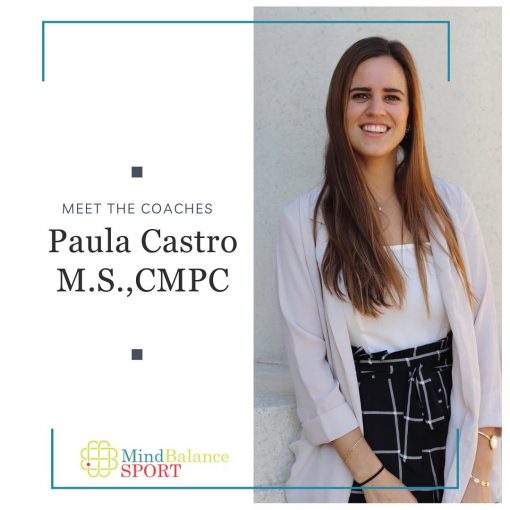
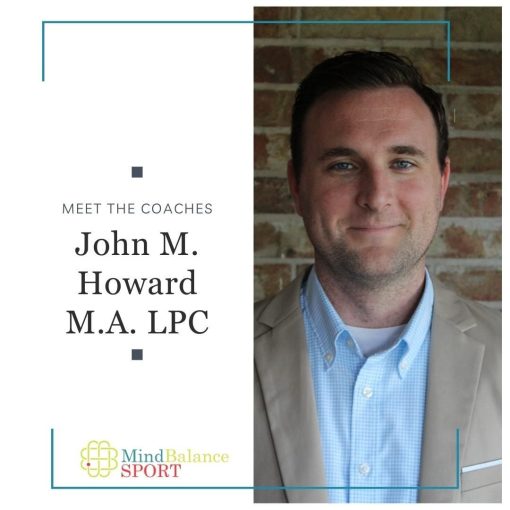
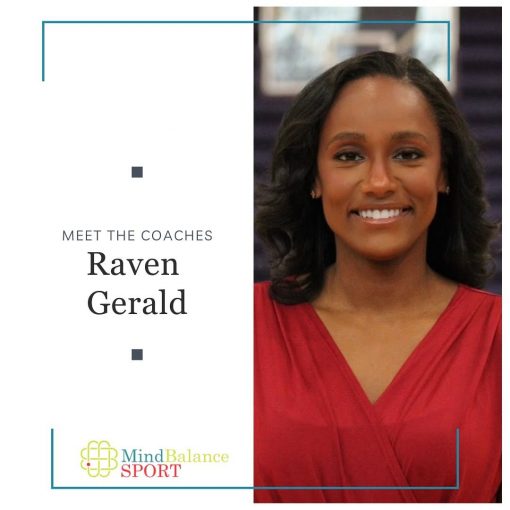
Meet the Team


testimonials
Athlete Stories: Real Comebacks, Real Results

Emma, a high school basketball player, tore her ACL in the middle of her junior season. After surgery, she struggled with self-doubt and fear every time she stepped back on the court. Through sport psychology training, she learned visualization techniques and confidence-building exercises that helped her regain trust in her knee. When she returned for her senior season, she didn’t just play—she led her team to the playoffs.

Carlos, a soccer player, suffered a stress fracture in his foot and had to miss half of his season. Sitting out was mentally tougher than the pain itself. We worked on mental engagement strategies to keep him sharp—studying game film, setting small rehab goals, and using mental imagery to stay ready. When he was finally cleared, his confidence never wavered.

Jordan, a track athlete, strained her hamstring before a major competition. She feared losing speed and falling behind competitors. Instead of focusing on what she couldn’t do, we redirected her energy toward mental preparation, using self-talk and goal setting to keep her confidence strong. When she returned, she set a new personal record.
EXCELLENTTrustindex verifies that the original source of the review is Google. I decided to work with a mental performance coach because I struggled with self-doubt around my race-day performance. I wanted to understand where those doubts came from and learn how to show up with greater confidence, focus, and certainty. Working with Brady has been a game changer. Through our work together, I now approach races feeling more relaxed, confident, and focused. Some of the most valuable tools I've developed include creating an alter ego for race day, understanding the difference between my internal and external scoreboards, and developing my personal pain pledge. These strategies have helped me perform with a stronger mindset and enjoy the process more. If you're looking to show up to your event, game, or race with greater confidence, certainty, and mental resilience, I highly recommend working with a mental performance coach—and Brady has been an outstanding guide throughout that journey.Posted on GoogleTrustindex verifies that the original source of the review is Google. I found my time at MindbalanceSPORT SUPER helpful. I improved a lot with my confidence in my own play and working on taking steps to reset after mistakes and in between points. This helped me achieve a lot more than I thought I would be able to. We were also able to create some impactful morning routines with meditation and mindfulness. I would highly recommend!!Posted on GoogleTrustindex verifies that the original source of the review is Google. What a great experience! Recently we had Brady Dinnsen work with our volleyball team to discuss various aspects of mental toughness. Some of the topics that were super helpful were Self-talk, Confidence, Next point mentality and Finishing. Brady would be an asset to any team looking to improve in these areas.Posted on GoogleTrustindex verifies that the original source of the review is Google. This practice is doing amazing things for young athletes. I have had a top notch experience collaborating with providers at Mind Balance Sport. As a psychologist who does a lot of the clinical work with student athletes, the added component of mental performance coaching really catalyzes growth and well-being. I highly recommend.Posted on GoogleTrustindex verifies that the original source of the review is Google. I am a marathon runner with some big goals for myself. In my last three marathons, I’ve struggled with some serious mental blockers in the later miles, and I’ve disappointed myself. In just 3 sessions so far, Paula has shown me how much my mental game is slowing me down. She’s armed me with actionable strategies to tackle my mental demons so that I can achieve what I think I am capable of. More than that, she’s helped me recover my “why” so that I can find joy in running again. She has been life changing. I am a 9x marathoner, yet I didn’t realize how much our mindset can shape our running experience, and how critical it is to train our brains along with our bodies. She’s getting me ready to take on my second Boston marathon this spring, and I can’t wait!Posted on GoogleTrustindex verifies that the original source of the review is Google. My daughter (now 13) is a highly motivated and dedicated competitive gymnast who currently changed 16 hours a week. We hired Paula Castro a couple of years ago to work with her, as she was struggling with the stress/expectations of meets as well as some of the dynamics in the gym. Paula was a godsend; she helped make competitions more enjoyable/less stressful for her. She also provided useful tools and strategies that despite her young age, really resonated with her. My daughter attributes her gymnastics advancement in large part due to her work with Paula. We could not recommend her more highly and hope to work with her again in the future.Posted on GoogleTrustindex verifies that the original source of the review is Google. My daughter and I loved working with Paula! I was worried that my kid may be too young, but it was so helpful to really find what the sport means to my daughter. And now we have several tools we can use in different situations to help re-focus and strengthen her mental game. We will definitely be calling her back if and when we hit an inevitable rough patch!Posted on GoogleTrustindex verifies that the original source of the review is Google. It has been great to use their guidance, tools and support to help our pre-teen athlete with mental focus and emotional regulation during competition.
Recovery
While Everyone Has A Physical Ceiling, There Is No Mental Ceiling.
How Sports Counselling in Bethesda, MD Helps Build Effective Team Captains
How Sports Counselling in Bethesda, MD Helps Build Effective Team Captains
Sports psychologists play an essential role in developing effective team captains who can lead both on and off the field. Leadership in sports extends beyond physical performance; it requires mental strength, communication skills, emotional intelligence, and the ability to inspire others. By focusing on these areas, sports psychologists help shape athletes into capable leaders who can handle the psychological demands of their roles.
Identifying Key Leadership Traits
To build effective team captains, sports psychologists first identify key leadership qualities that are vital for success. These include:
– Effective Communication Skills: The ability to clearly articulate goals, strategies, and feedback while fostering open dialogue with teammates.
– Emotional Regulation: Managing emotions under pressure to maintain composure and set a positive example for others.
– Empathy: Understanding the needs and feelings of teammates to build trust and camaraderie within the team.
– Decision-Making Ability: Making confident and informed choices during high-stress situations.
By assessing these traits in athletes through interviews, personality assessments, or observation, sports psychologists determine which individuals have natural leadership potential or require further development.
Psychological Training for Leadership
Team captains face unique pressures as they balance personal performance with their responsibility to motivate and unite teammates. Sports psychologists employ several psychological techniques to prepare captains for this dual role:
1. Leadership Visualization Exercises: Athletes are guided to mentally rehearse scenarios where they successfully lead their teams through challenges. 2. Goal Setting Strategies: Captains learn how to set team-oriented goals that align with broader organizational objectives while maintaining individual focus. 3. Conflict Resolution Training: Techniques are taught to handle disputes among teammates constructively and foster collaboration. 4. Resilience Building Activities: Encouraging captains to embrace setbacks as opportunities for growth rather than signs of failure.
Practical Tools Used by Sports Psychologists
| Tool | Purpose | Example Activity |
| Personality Assessments | Identify leadership potential/traits | Myers-Briggs Type Indicator (MBTI) |
| Communication Workshops | Improve speaking and listening skills | Role-playing scenarios |
| Mental Toughness Training | Build resilience under stress | Simulated high-pressure decision-making |
| Emotional Intelligence Coaching | Enhance empathy and emotional regulation | Journaling exercises or mindfulness tasks |
Long-Term Benefits of Psychological Support
When supported by sports psychologists, team captains develop into well-rounded leaders who positively influence both individual athletes and overall team dynamics. This guidance ensures that leaders can effectively manage conflicts, foster cohesion within diverse groups of players, and create an environment where everyone feels motivated toward shared success.
Sports psychologists recognize that strong leadership is not innate but cultivated through intentional effort over time. By equipping athletes with tailored tools and strategies, they lay a foundation for meaningful growth both on the field and in life beyond competition settings.
Exploring Leadership Traits with Sports Psychologists in Bethesda, MD
Effective leadership in sports is critical for fostering success, cohesion, and trust among team members. Sports psychologists play a vital role in identifying and cultivating the traits that make exceptional team leaders. Among these traits, caring, courageous, and consistent leadership stand out as core pillars of success.
Exploring Performance Psychology in Bethesda, MD: The Role of Caring Leadership
- Empathy: Actively listening to teammates’ concerns while acknowledging their individual challenges.
- Inclusivity: Ensuring all players feel like integral parts of the team, regardless of their role or performance level.
- Supportiveness: Offering encouragement during tough times while celebrating both individual and group achievements.
Caring leaders not only strengthen interpersonal connections within teams but also promote long-term motivation by demonstrating that results are secondary to personal growth and mutual respect.
Achieve Peak Potential with Sport Performance Training in Bethesda, MD
Courageous leadership involves taking initiative during challenging situations while maintaining clarity under pressure. Team captains often face difficult decisions that require them to prioritize what’s best for the group over personal interests or fears.
- Decisiveness: Making confident choices even when outcomes are uncertain or unpopular.
- Adaptability: Remaining composed while adjusting strategies during unexpected game scenarios or setbacks.
- Accountability: Taking responsibility for mistakes instead of shifting blame to others.
Sports psychologists help athletes develop courage by working on self-awareness, emotional regulation techniques, and building confidence through mental rehearsal exercises.
Building Consistency with a Sports Mental Coach in Bethesda, MD
Consistency forms the backbone of effective leadership by ensuring reliability in both behavior and decision-making over time. A consistent leader provides stability amidst uncertainty—a quality critical for team cohesion.
| Trait | Impact on Team Dynamics |
| Emotional balance | Prevents conflicts from escalating |
| Predictable actions | Builds trust through dependable behavior |
| Discipline | Models commitment to excellence |
Sports psychologists often encourage consistency by helping athletes establish routines, develop strong communication skills, and reinforce habits aligned with their values.
Understanding Sports Psychiatry in Bethesda, MD: Boosting Athletic Traits
- Leadership Workshops: Interactive sessions that explore real-life scenarios requiring empathy, courage, or consistency.
- Role-Playing Exercises: Simulations designed to prepare athletes for high-pressure decision-making.
- Feedback Mechanisms: Personalized feedback focused on strengths and areas needing improvement.
- Mental Skills Training: Techniques like visualization or mindfulness aimed at enhancing focus under stress.
By addressing both psychological development and interpersonal skills, sports psychologists play an essential role in shaping well-rounded leaders equipped to guide their teams toward success.
Finding the Best Sports Psychologist Near Me to Boost Performance and Build Resilience
Sports psychology has become a vital component in enhancing athletic performance and promoting mental resilience. The application of sport psychology equips athletes with practical tools and strategies to manage challenges, optimize their mindset, and maintain focus under pressure. Below, we explore the key ways applied sport psychology strengthens both performance and mental resilience in athletes.
Enhancing Focus and Concentration
- Mindfulness Exercises: Helps athletes stay present and avoid distractions.
- Goal-Setting Frameworks: Creates clear, actionable objectives that align with personal or team goals.
- Pre-performance Routines: Establishes consistency before competing to help athletes mentally prepare for high-pressure situations.
By implementing these practices, athletes can develop the skills required to block out distractions and maintain peak concentration throughout a game or event.
Developing Mental Resilience
- Identifying negative thought patterns that undermine confidence.
- Replacing self-doubt with positive affirmations or constructive self-talk.
- Encourages mental rehearsal of success scenarios.
- Builds confidence by vividly imagining successful plays or outcomes.
- Breathing exercises to reduce anxiety levels.
- Relaxation techniques to handle pre-game jitters effectively.
These strategies not only aid in overcoming adversities but also foster long-term emotional endurance for athletes at all levels.
Improving Decision-Making Under Pressure
| Strategy | Benefit |
| Simulation-Based Training | Replicates real-world scenarios for improved situational awareness |
| Performance Journals | Helps track previous decisions and refine future approaches |
| Stress Exposure Techniques | Prepares athletes for high-pressure environments through controlled stress challenges |
These methodologies enable athletes to process information faster, remain composed under pressure, and execute strategies effectively during critical moments in competition.
Boosting Team Cohesion Through Sport Psychology
While individual performance is essential, cohesive teamwork is often what sets great teams apart from good ones. Sports psychologists work with entire teams by focusing on shared mental frameworks such as trust-building exercises, open communication workshops, and conflict resolution strategies. This approach ensures that each player understands their role while fostering mutual respect within the group dynamic.
Applied sport psychology provides a comprehensive framework that supports both the physical and psychological dimensions of athletic success. Its focus on enhancing focus, developing resilience, improving decision-making under pressure, and fostering teamwork makes it an indispensable tool for modern sports professionals striving for peak performance in their respective fields.
Key Psychological Strategies Used by Sports Psychologists to Enhance Athlete Success
1. Goal Setting and Motivation
Effective goal setting is central to athletic success. Sports psychologists work with athletes to set clear, measurable, and achievable goals that help maintain focus and motivation.
- Outcome Goals: Winning a championship or achieving a personal best.
- Performance Goals: Improving technique or increasing speed.
- Process Goals: Focusing on specific tasks during practice or competition.
By breaking long-term objectives into smaller, manageable steps, athletes stay motivated and track progress more effectively.
2. Visualization and Mental Imagery
Visualization involves mentally rehearsing performance scenarios to build confidence and enhance skills. Athletes imagine themselves successfully completing tasks under various conditions.
- Improves concentration.
- Helps reduce pre-performance anxiety.
- Reinforces positive outcomes.
For example, a tennis player may visualize acing serves under pressure or a sprinter might mentally run through their perfect start off the blocks.
3. Developing Focus and Concentration
- Mindfulness Training: Staying present in the moment without judgment.
- Cue Words: Using short phrases like “stay calm” or “strong finish” for maintaining attention.
- Pre-performance Routines: Establishing consistent habits before games or races to enhance focus.
4. Stress Management Techniques
| Technique | Purpose | Example |
| Progressive Muscle Relaxation (PMR) | Reduces physical tension | Gradually tensing then relaxing muscle groups |
| Breathing Exercises | Promotes relaxation | Deep diaphragmatic breathing before competitions |
| Cognitive Restructuring | Reframes negative thoughts into positives | Turning “I can’t do this” into “I’m prepared for this challenge” |
These strategies enable athletes to approach high-pressure situations with calm confidence.
5. Building Emotional Resilience
- Self-Talk: Encouraging constructive internal dialogue instead of self-critical thoughts.
- Growth Mindset Training: Viewing failures as opportunities for learning rather than permanent setbacks.
This mindset fosters perseverance even in the face of adversity, enabling long-term growth and improvement.
6. Team Dynamics and Communication Skills
- Effective conflict resolution techniques.
- Role clarification exercises (e.g., understanding each player’s role).
- Team-building workshops focused on improving collaboration under pressure.
Sports psychology provides tools to unlock potential by addressing mental barriers that often separate good performances from great ones. Whether it’s through visualization techniques, resilience training, or improving team dynamics, these strategies are essential for anyone striving for success in athletics at any level.
The Importance of Mental Training in Achieving Peak Performance for Athletes
Mental training is an integral component of success for athletes, complementing physical training and technical skill development. Sports psychologists work with athletes to develop cognitive and emotional strategies that enable them to perform at their best, regardless of the challenges they face during competition. Below is an exploration of why mental training matters and how it contributes to peak performance.
Benefits of Mental Training for Athletes
- Improved Focus and Concentration: Helps athletes maintain attention on key tasks, reducing distractions during critical game moments.
- Enhanced Emotional Regulation: Equips athletes with tools to manage anxiety, frustration, or excitement effectively under pressure.
- Increased Confidence: Builds self-belief by instilling a positive mindset through visualization and affirmations.
- Better Decision-Making: Strengthens cognitive clarity under stress, enabling athletes to make quick, strategic choices.
- Resilience Development: Prepares athletes to bounce back from failures or setbacks with a growth-oriented perspective.
Key Components of Mental Training
- Establishing clear, achievable short-term and long-term goals.
- Using SMART (Specific, Measurable, Achievable, Relevant, Time-bound) frameworks for progress tracking.
- Mental rehearsal of successful performances before events.
- Engaging all senses during visualization exercises to improve execution accuracy.
- Practicing mindfulness meditation to increase present-moment awareness.
- Using progressive muscle relaxation (PMR) or deep breathing techniques to reduce stress.
- Identifying negative thought patterns that hinder performance.
- Replacing them with motivational or constructive affirmations.
- Creating pre-performance rituals that enhance consistency in preparation and delivery.
- Structuring routines around physical readiness and mental focus.
Comparing Physical vs Mental Training
| Aspect | Physical Training | Mental Training |
| Focus | Building strength, endurance, skills | Enhancing focus, confidence, resilience |
| Frequency | Daily/weekly sessions | Consistent practice integrated into routine |
| Tools Used | Equipment (weights, balls) | Cognitive exercises (visualization apps) |
| Outcome | Improved physical ability | Optimized decision-making under pressure |
Practical Tips for Incorporating Mental Training
- Schedule regular mental skills sessions alongside physical training regimens.
- Keep a journal to track progress in thought patterns and emotional states after competitions.
- Seek guidance from qualified sports psychologists who specialize in your sport or discipline.
By elevating both mind and body preparedness through structured mental training practices, athletes can consistently achieve peak performance while enjoying the process of growth within their sport.
How Sports Psychologists Help Athletes Overcome Pressure and Build Confidence
Competing at high levels often subjects athletes to immense pressure, whether it’s breaking personal records, meeting team expectations, or performing on the world stage. Sports psychologists play a critical role in helping athletes manage this pressure while building the confidence necessary for consistent performance. This process involves addressing the mental and emotional demands of sports through evidence-based strategies tailored to each individual.
Common Sources of Pressure in Sports
- Performance Expectations: Internal or external pressures to achieve specific outcomes (e.g., winning a championship or setting a record).
- Competition Anxiety: Stress induced by facing opponents or competing on prestigious platforms.
- Balancing Responsibilities: Managing athletic commitments alongside academic, professional, or personal life.
- Fear of Failure: Worries about disappointing oneself, coaches, teammates, or fans.
Understanding these triggers allows sports psychologists to develop personalized interventions aimed at alleviating undue stress.
Techniques for Managing Pressure
- Focuses on identifying and challenging negative thought patterns.
- Encourages athletes to replace self-doubt with constructive beliefs (e.g., “I’ve trained for this moment” rather than “What if I fail?”).
- Includes diaphragmatic breathing and progressive muscle relaxation techniques.
- Helps regulate arousal levels before competitions.
- Involves cultivating present-moment awareness through practices like meditation.
- Reduces overthinking and enhances focus during critical moments.
- Guides athletes in creating vivid mental images of successful performances.
- Builds confidence by mentally rehearsing scenarios before they occur.
Building Athletic Confidence: Core Principles
- Mastery Experiences: Reflecting on past successes strengthens beliefs in one’s ability to overcome challenges.
- Verbal Persuasion: Positive reinforcement from coaches, teammates, or psychologists reinforces self-esteem during difficult times.
- Incremental Goal Setting: Breaking larger goals into smaller milestones allows for regular achievements that reinforce progress and competency.
- Overcoming Setbacks: Teaching resilience tools ensures athletes can recover mentally from losses or poor performances without diminishing their confidence long-term.
Table: Tools Used by Sports Psychologists
| Strategy | Purpose | Example Application |
| Cognitive Restructuring | Reframe negative thoughts | “I’ll do my best” instead of “I’ll fail.” |
| Visualization | Simulate successful outcomes | Mentally rehearsing scoring a goal |
| Breathing Techniques | Lower physiological stress | Deep breaths before entering the field |
| Mindfulness Training | Stay focused in the present moment | Using meditation apps pre-competition |
Sports psychologists provide invaluable support by addressing these mental challenges head-on, equipping athletes with tools they can rely on under pressure while reinforcing their inner belief systems. Through tailored strategies grounded in psychology, they empower individuals to perform optimally—even when stakes are at their highest—while fostering long-term mental resilience essential for athletic growth.