
Sports Psychologist in Manassas, VA
You want to work on your mental game, but how do you train your brain?
At MindBalanceSPORT, We Train The Other Half Of The Athlete.
You want to work on your mental game, but how do you train your brain?
Mental training does not get much media attention, but at MindBalanceSPORT we know it is a game changer. The mental skills you will learn at MindBalanceSPORT are generalizable in the classroom, in sport and in life!
We know that mental skills can be successfully taught, even at an early age.
Our Services




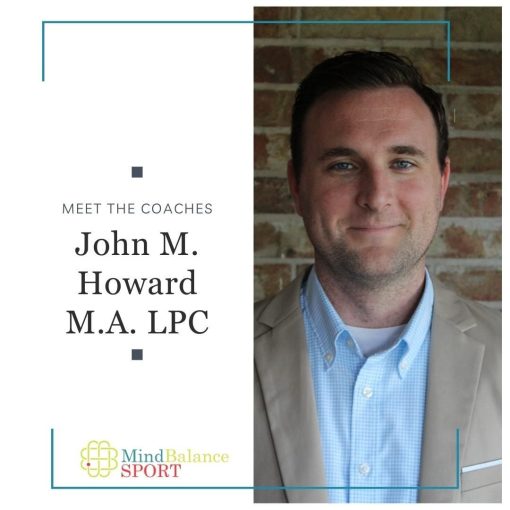
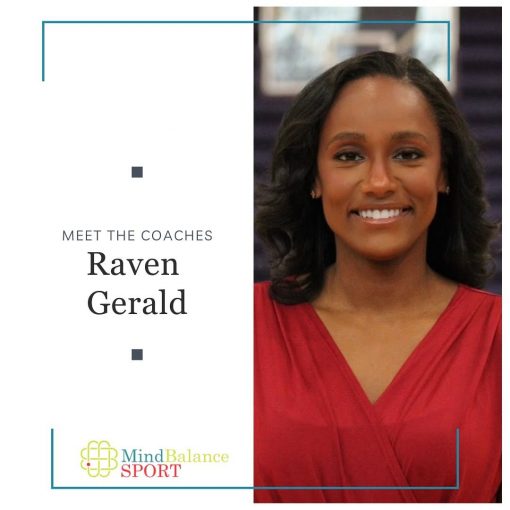
Meet the Team


testimonials
Athlete Stories: Real Comebacks, Real Results

Emma, a high school basketball player, tore her ACL in the middle of her junior season. After surgery, she struggled with self-doubt and fear every time she stepped back on the court. Through sport psychology training, she learned visualization techniques and confidence-building exercises that helped her regain trust in her knee. When she returned for her senior season, she didn’t just play—she led her team to the playoffs.

Carlos, a soccer player, suffered a stress fracture in his foot and had to miss half of his season. Sitting out was mentally tougher than the pain itself. We worked on mental engagement strategies to keep him sharp—studying game film, setting small rehab goals, and using mental imagery to stay ready. When he was finally cleared, his confidence never wavered.

Jordan, a track athlete, strained her hamstring before a major competition. She feared losing speed and falling behind competitors. Instead of focusing on what she couldn’t do, we redirected her energy toward mental preparation, using self-talk and goal setting to keep her confidence strong. When she returned, she set a new personal record.
EXCELLENTTrustindex verifies that the original source of the review is Google. I decided to work with a mental performance coach because I struggled with self-doubt around my race-day performance. I wanted to understand where those doubts came from and learn how to show up with greater confidence, focus, and certainty. Working with Brady has been a game changer. Through our work together, I now approach races feeling more relaxed, confident, and focused. Some of the most valuable tools I've developed include creating an alter ego for race day, understanding the difference between my internal and external scoreboards, and developing my personal pain pledge. These strategies have helped me perform with a stronger mindset and enjoy the process more. If you're looking to show up to your event, game, or race with greater confidence, certainty, and mental resilience, I highly recommend working with a mental performance coach—and Brady has been an outstanding guide throughout that journey.Posted on GoogleTrustindex verifies that the original source of the review is Google. I found my time at MindbalanceSPORT SUPER helpful. I improved a lot with my confidence in my own play and working on taking steps to reset after mistakes and in between points. This helped me achieve a lot more than I thought I would be able to. We were also able to create some impactful morning routines with meditation and mindfulness. I would highly recommend!!Posted on GoogleTrustindex verifies that the original source of the review is Google. What a great experience! Recently we had Brady Dinnsen work with our volleyball team to discuss various aspects of mental toughness. Some of the topics that were super helpful were Self-talk, Confidence, Next point mentality and Finishing. Brady would be an asset to any team looking to improve in these areas.Posted on GoogleTrustindex verifies that the original source of the review is Google. This practice is doing amazing things for young athletes. I have had a top notch experience collaborating with providers at Mind Balance Sport. As a psychologist who does a lot of the clinical work with student athletes, the added component of mental performance coaching really catalyzes growth and well-being. I highly recommend.Posted on GoogleTrustindex verifies that the original source of the review is Google. I am a marathon runner with some big goals for myself. In my last three marathons, I’ve struggled with some serious mental blockers in the later miles, and I’ve disappointed myself. In just 3 sessions so far, Paula has shown me how much my mental game is slowing me down. She’s armed me with actionable strategies to tackle my mental demons so that I can achieve what I think I am capable of. More than that, she’s helped me recover my “why” so that I can find joy in running again. She has been life changing. I am a 9x marathoner, yet I didn’t realize how much our mindset can shape our running experience, and how critical it is to train our brains along with our bodies. She’s getting me ready to take on my second Boston marathon this spring, and I can’t wait!Posted on GoogleTrustindex verifies that the original source of the review is Google. My daughter (now 13) is a highly motivated and dedicated competitive gymnast who currently changed 16 hours a week. We hired Paula Castro a couple of years ago to work with her, as she was struggling with the stress/expectations of meets as well as some of the dynamics in the gym. Paula was a godsend; she helped make competitions more enjoyable/less stressful for her. She also provided useful tools and strategies that despite her young age, really resonated with her. My daughter attributes her gymnastics advancement in large part due to her work with Paula. We could not recommend her more highly and hope to work with her again in the future.Posted on GoogleTrustindex verifies that the original source of the review is Google. My daughter and I loved working with Paula! I was worried that my kid may be too young, but it was so helpful to really find what the sport means to my daughter. And now we have several tools we can use in different situations to help re-focus and strengthen her mental game. We will definitely be calling her back if and when we hit an inevitable rough patch!Posted on GoogleTrustindex verifies that the original source of the review is Google. It has been great to use their guidance, tools and support to help our pre-teen athlete with mental focus and emotional regulation during competition.
Recovery
While Everyone Has A Physical Ceiling, There Is No Mental Ceiling.
Exploring Sports Counselling in Manassas, VA: The Role of Sports Psychologists in Athlete Transitions
Exploring Sports Counselling in Manassas, VA: The Role of Sports Psychologists in Athlete Transitions
The transition from being an athlete to becoming a coach can be both rewarding and challenging. For many athletes, the shift involves not only a change in daily routines but also a redefinition of identity. Sports psychologists play an essential role in guiding athletes through this complex process by equipping them with the tools needed to embrace their new roles effectively.
The Psychological Challenges of the Transition
- Loss of Athletic Identity: Athletes often define themselves by their sports performance. Transitioning away from competition can feel like losing a part of oneself.
- Shift in Goals: Moving from personal performance-based goals to team or mentorship-oriented objectives can be overwhelming.
- Adjusting Leadership Styles: Many athletes are not naturally equipped with coaching or leadership skills, which takes time and guidance to develop.
- Managing Expectations: Former athletes may struggle with understanding that success as a coach looks different than success as an athlete.
How Sports Psychologists Assist
- Encouraging individuals to reflect on their motivations for becoming a coach.
- Setting short-term and long-term goals that focus on personal development as a mentor.
- Helping transitioning athletes reshape their sense of self around coaching instead of personal athletic achievements.
- Introducing positive affirmations or journaling exercises that focus on their new role.
- Teaching mindfulness practices that support emotional resilience.
- Providing stress management strategies tailored for leadership roles.
- Offering communication workshops that improve interpersonal skills critical for coaching.
- Guiding individuals on how to inspire and connect with their team effectively.
Key Skills Athletes Develop During This Period
| Skill | Impact on Coaching |
| Adaptability | Ability to adjust strategies based on team needs. |
| Empathy | Building stronger connections with players. |
| Conflict Resolution | Managing disputes within teams effectively. |
| Visionary Thinking | Planning long-term strategies for success. |
Why the Role of Sports Psychologists Matters
Sports psychologists ensure that former athletes feel supported throughout this journey by fostering confidence, resilience, and adaptability in their clients. Their expertise enables transitioning professionals to view challenges as opportunities for growth rather than obstacles, laying the foundation for fulfilling careers in coaching.
By bridging the gap between competitive performance and effective mentorship, sports psychologists help create leaders who not only understand the game deeply but also inspire future generations—making them instrumental in shaping modern sports culture at all levels.
Exploring Performance Psychology in Manassas, VA: The Key to Unlocking Athletic Success
Sports psychology plays a pivotal role in enhancing athletic performance by addressing the mental and emotional challenges athletes face. While physical training is integral for any athlete, understanding the psychological aspect of performance is equally critical. This field equips athletes with tools to improve focus, manage pressure, and maintain motivation throughout their careers.
Why Sports Psychology Matters
- Managing Stress and Anxiety: High-pressure competitions can lead to stress that interferes with an athlete’s ability to perform. Sports psychologists provide techniques such as breathing exercises and mindfulness training to reduce anxiety.
- Building Confidence: Self-doubt often haunts even the most seasoned athletes. By using methods like positive self-talk and visualization, sports psychologists help individuals build a stronger sense of belief in their abilities.
- Improving Focus: Distractions during games or events can harm performance. Mental strategies such as concentration drills and goal-setting are used to fine-tune focus.
- Enhancing Team Dynamics: For team sports, effective communication and collaboration are key. Sports psychologists work on conflict resolution, leadership skills, and fostering unity within teams.
How Sports Psychologists Improve Athletic Performance
| Method | Description |
| Mental Imagery | Encourages athletes to visualize success before competing to build confidence. |
| Goal Setting | Helps break larger objectives into manageable steps for sustained progress. |
| Relaxation Techniques | Reduces pre-performance nerves through meditation or deep-breathing exercises. |
| Cognitive Behavioral Strategies | Identifies negative thought patterns and replaces them with constructive ones. |
Key Techniques Employed by Sports Psychologists
- Visualizing successful outcomes helps prepare mentally for high-stakes scenarios.
- Example: A runner imagines crossing the finish line first while focusing on maintaining rhythm.
- Rituals before games or events help create consistency.
- Example: A basketball player following a strict pre-free throw routine.
- Techniques like progressive muscle relaxation (PMR) help reduce tension.
- Example: Cycling through muscle groups, tensing then releasing each one gradually.
- Replacing negative thoughts (“I can’t do this”) with affirmations (“I am prepared”).
Benefits Beyond Athletics
- Improved resilience in the face of setbacks.
- Enhanced time-management skills through structured goal setting.
- Better interpersonal relationships via team-building exercises.
By addressing both mental barriers and fostering mental resilience, sports psychology continues to be an invaluable asset in pushing athletes toward peak performance levels while empowering them for life beyond their sport.
Exploring the Role of Sports Psychologists in Manassas, VA for Mental Strategies in Sports
Mental strategies are a cornerstone of athletic success, often working behind the scenes to enhance physical performance. Sports psychologists play a vital role in helping athletes harness their mental strength, yet the stories and specific techniques they use are rarely discussed. Here, we explore some of these impactful strategies and their profound influence on sports.
Mental Strategies for Sport Performance Training in Manassas, VA
- Visualization and Imagery
Athletes are encouraged to mentally rehearse their performance, creating vivid images of successful execution. This method helps improve focus, confidence, and neural connections associated with specific actions. - Goal Setting
Breaking down long-term objectives into smaller, actionable goals ensures consistent progress. By setting SMART (Specific, Measurable, Achievable, Relevant, Time-bound) goals, athletes can maintain motivation and track improvements. - Mindfulness Training
Techniques like meditation or breathing exercises help athletes stay present under high-pressure circumstances. Mindfulness improves emotional regulation and reduces stress responses during competitions. - Positive Self-Talk
Reframing negative thoughts into constructive dialogue builds resilience. For instance: - Instead of thinking: “I can’t handle this,” replace it with: “I’ve trained for this moment.”
- Swap “I always mess up under pressure” with “Pressure is my chance to shine.”
- Pre-Performance Routines
Developing rituals before events creates consistency and reduces anxiety. Examples include stretching routines, listening to music for focus, or repeating affirmations.
Real-Life Applications with a Sports Mental Coach in Manassas, VA
| Strategy | Athlete Example | Observed Benefits |
| Visualization | Olympic divers rehearsing dives | Enhanced precision in execution |
| Positive self-talk | Tennis players during key matches | Greater resilience after losing a point |
| Pre-performance routine | Basketball players at free throws | Increased accuracy through focus |
| Goal setting | Marathon runners targeting split times | Improved pacing and sustained motivation |
These examples highlight how tailored psychological tools translate into measurable athletic gains.
Overcoming Barriers in Sports Psychiatry in Manassas, VA
- Stigma Around Mental Health: In some sports cultures, discussing psychological challenges may still be perceived as a sign of weakness.
- Limited Access to Experts: Athletes from grassroots levels may not have access to qualified sports psychologists.
- Time Constraints: With demanding schedules focused on physical training, allocating time for mental preparation can be difficult.
Sports psychologists work tirelessly to address these barriers by fostering supportive environments that normalize discussions about mental health and its role in athletic success.
By integrating these often-overlooked strategies into training regimens, athletes gain an edge not just physically but psychologically as well. The untold stories behind these techniques shine a light on the transformative power of sports psychology—a field that continues to evolve alongside athletic performance itself.
Finding the Right Sports Psychologist Near Me to Overcome Challenges and Embrace Progress
Athletes often face a variety of physical, emotional, and mental challenges throughout their careers. While physical training and skills development are paramount, the role of sports psychology in addressing psychological barriers cannot be overstated. This discipline helps athletes overcome obstacles, enhance resilience, and maintain a growth-oriented mindset when navigating the complexities of sports.
Common Challenges Faced by Athletes
- Performance Anxiety: Many athletes struggle with pressure during high-stakes competitions, leading to self-doubt or overthinking.
- Fear of Failure: A fear of making mistakes can hinder risk-taking and creativity in play.
- Burnout and Fatigue: The rigorous demands of training schedules can lead to mental exhaustion over time.
- Injuries and Recovery: Rehabilitating from injuries often brings physical pain as well as psychological challenges like frustration or loss of confidence.
- Loss of Motivation: Staying motivated, especially after repeated setbacks or long careers, can become more challenging.
- Transitioning Out of Sports: Retiring from competition or shifting roles (e.g., becoming a mentor) can result in identity crises for some athletes.
How Sports Psychologists Help Face These Challenges
- Identifying negative thought patterns that contribute to anxiety or fear
- Fostering positive self-talk to reframe perspectives during stressful situations
- Imagining successful outcomes before events to build confidence
- Mentally rehearsing key actions or techniques prior to performance
- Breathing exercises for calming nerves under pressure
- Mindfulness practices to stay present rather than focusing on past errors or future fears
- Establishing SMART (Specific, Measurable, Achievable, Relevant, Time-bound) goals for both long-term aspirations and short-term milestones
- Building patience during setbacks by setting realistic expectations for recovery timelines
- Offering encouragement when regaining trust in one’s body post-injury
Case Study: Impactful Transformation Through Mental Training
A professional tennis player who struggled with post-match analysis paralysis worked extensively with a sports psychologist on mindfulness techniques. By learning how to focus on the present instead of dwelling on previous missed opportunities or anticipating future points anxiously, their performance under pressure drastically improved over one season.
| Key Challenge | Psychological Intervention | Outcome |
| Performance Anxiety | Mindfulness Practices | Greater focus & reduced tension |
| Fear of Failure | Positive Self-Talk | Increased willingness to take risks |
| Burnout | Stress Management & Rest Schedules | Renewed energy |
Embracing Progress Through Sports Psychology
By addressing mental roadblocks head-on and fostering adaptability, sports psychologists empower athletes not only to reach their peak potential but also maintain long-term well-being within competitive environments. For many athletes facing challenges beyond physical limitations alone, this guidance serves as an essential foundation for continual improvement both on and off the field.
Exploring the Shift from Athlete to Mentor with the Help of Sports Psychologists
The transition from athlete to mentor can be a deeply fulfilling yet challenging journey. Sports psychologists play a crucial role in this transformation by offering guidance, tools, and techniques that help athletes embrace their new identity and responsibilities with confidence.
The Psychological Challenges of Transitioning
- Loss of Identity: Athletes often struggle with redefining their sense of self when they shift away from competitive participation.
- Confidence Shifts: Former athletes may question their ability to direct or inspire others as coaches.
- Emotional Detachment: Letting go of the adrenaline and satisfaction tied to personal athletic accomplishments can be difficult.
- Managing Expectations: Balancing personal standards as an athlete with realistic expectations for mentees can create internal conflict.
Sports psychologists are equipped to address these concerns by helping individuals reframe their mindset, find purpose in mentoring, and develop emotional resilience.
Strategies Sports Psychologists Provide for a Smooth Transition
- Communication techniques tailored for coaching scenarios.
- Building trust and rapport within a team setting.
- Conflict resolution methods when managing group dynamics.
- Reflective exercises to understand personal strengths and limitations in a mentoring role.
- Feedback mechanisms to continuously improve coaching approaches.
- Shifting focus from individual accomplishments to collective achievements as a coach.
- Setting short-term objectives that align with long-term vision for mentees’ growth.
- Coping mechanisms for handling the pressures associated with being responsible for others’ success.
- Mindfulness practices tailored specifically for coaches navigating high-stakes environments.
The Mentor-Athlete Relationship: A Two-Way Growth Experience
| Aspect | Benefits for Mentors | Benefits for Mentees |
| Emotional Growth | Enhanced empathy and patience | Feeling understood and connected |
| Knowledge Transfer | Sharing expertise strengthens leadership | Gaining access to valuable experience |
| Perspective Shifts | Fresh motivation through mentee success | Learning through guided encouragement |
Sports psychologists often mediate this relationship by fostering open communication, encouraging active listening, and helping mentors maintain balance between authority and approachability.
The Role of Sports Psychology in Long-Term Success
Former athletes who work closely with sports psychologists during their transition are better equipped not only to guide but also inspire future generations. By emphasizing mental health alongside physical performance, they contribute positively to the culture within sports—a legacy that goes beyond individual achievements.
Exploring the Shift from Athlete to Mentor with the Help of Sports Psychologists
The transition from being an athlete to becoming a mentor or coach is a complex journey that requires more than just technical knowledge of the sport. It demands a shift in mindset, an understanding of leadership, and strong interpersonal skills. Sports psychologists play a pivotal role in facilitating this transformation, helping athletes navigate this significant change effectively.
Challenges in Transitioning from Athlete to Mentor
- Identity Shift: Moving away from the identity of an active performer to that of a supporter or guide can lead to feelings of loss or uncertainty.
- Communication Gaps: Athletes may struggle to adapt their communication style to effectively mentor diverse personalities and skill levels.
- Emotional Adjustment: Letting go of personal competitive ambitions while fostering growth in others can be emotionally challenging.
- Knowledge Application: Understanding how to apply years of athletic experience in a way that benefits others is not always straightforward.
Sports psychologists work closely with individuals during these transitions to help them overcome these hurdles and develop the skills necessary for mentorship.
How Sports Psychologists Assist in This Journey
- Helping athletes redefine their sense of purpose beyond personal achievements.
- Encouraging focus on long-term goals such as fostering future talent or contributing to the sport’s legacy.
- Providing tools for managing any feelings of inadequacy or frustration during the initial stages of coaching.
- Teaching stress management strategies to maintain composure while leading teams.
- Enhancing communication and motivational skills necessary for effective mentorship.
- Assisting individuals in understanding team dynamics and how their role influences group performance.
- Encouraging mentees-turned-coaches to view scenarios from an athlete’s point-of-view.
- Supporting the development of emotional intelligence for stronger relationships with mentees.
- Assisting former athletes in setting realistic expectations for their coaching journey.
- Crafting structured plans based on short-term tactics and long-term visions.
Skills Coaches Develop Through Psychological Support
| Skill | Description |
| Communication | Ensuring clear dialogue with mentees while providing constructive feedback. |
| Active Listening | Understanding concerns and aspirations expressed by mentees attentively. |
| Adaptability | Modifying coaching styles based on individual needs or team dynamics. |
| Emotional Regulation | Remaining calm under pressure while making sound decisions during competitions. |
| Conflict Resolution | Effectively managing disputes within teams without escalation. |
These competencies not only enhance an athlete’s effectiveness as a mentor but also contribute positively toward team success and culture development.
The guidance provided by sports psychologists ensures that athletes don’t have to navigate this significant career shift alone. They offer tools for adapting smoothly into their new roles while emphasizing personal growth alongside professional contributions within the sporting world.