
Sports Psychologist in Atlanta, GA
We train the other half of the athlete
You want to work on your mental game, but how do you train your brain?
Mental training does not get much media attention, but at MindBalanceSPORT we know it is a game changer. The mental skills you will learn at MindBalanceSPORT are generalizable in the classroom, in sport and in life!
We know that mental skills can be successfully taught, even at an early age.
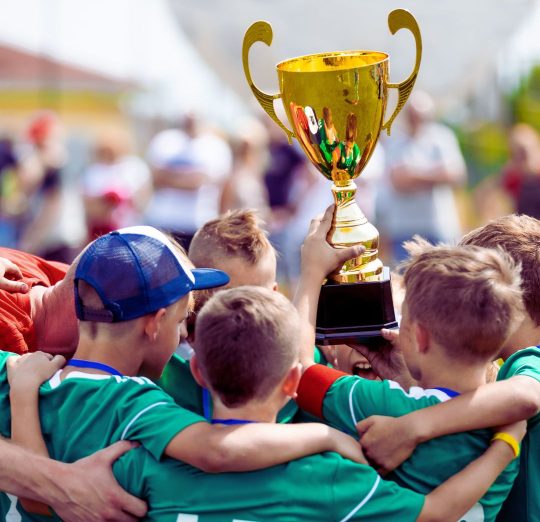
Our Services

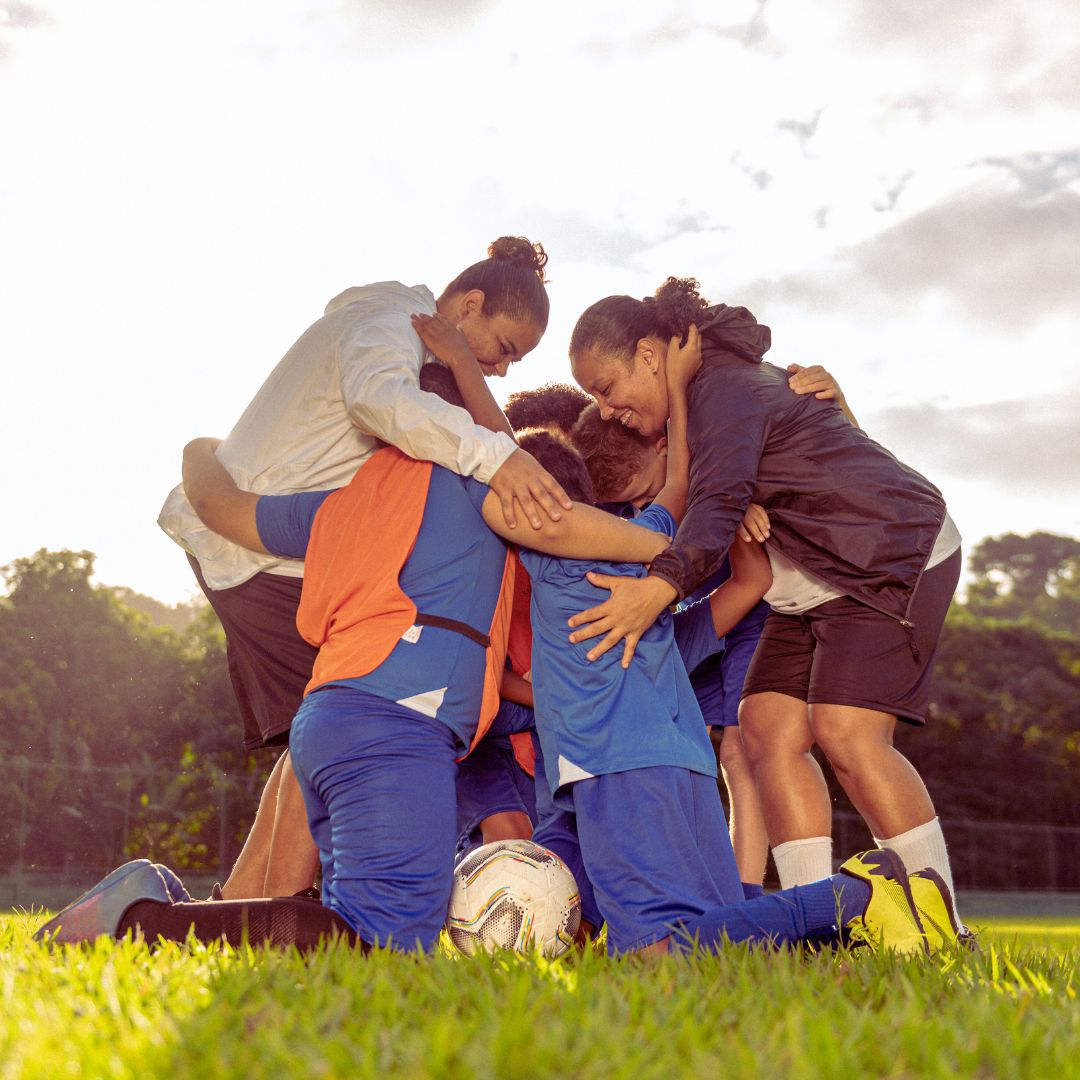



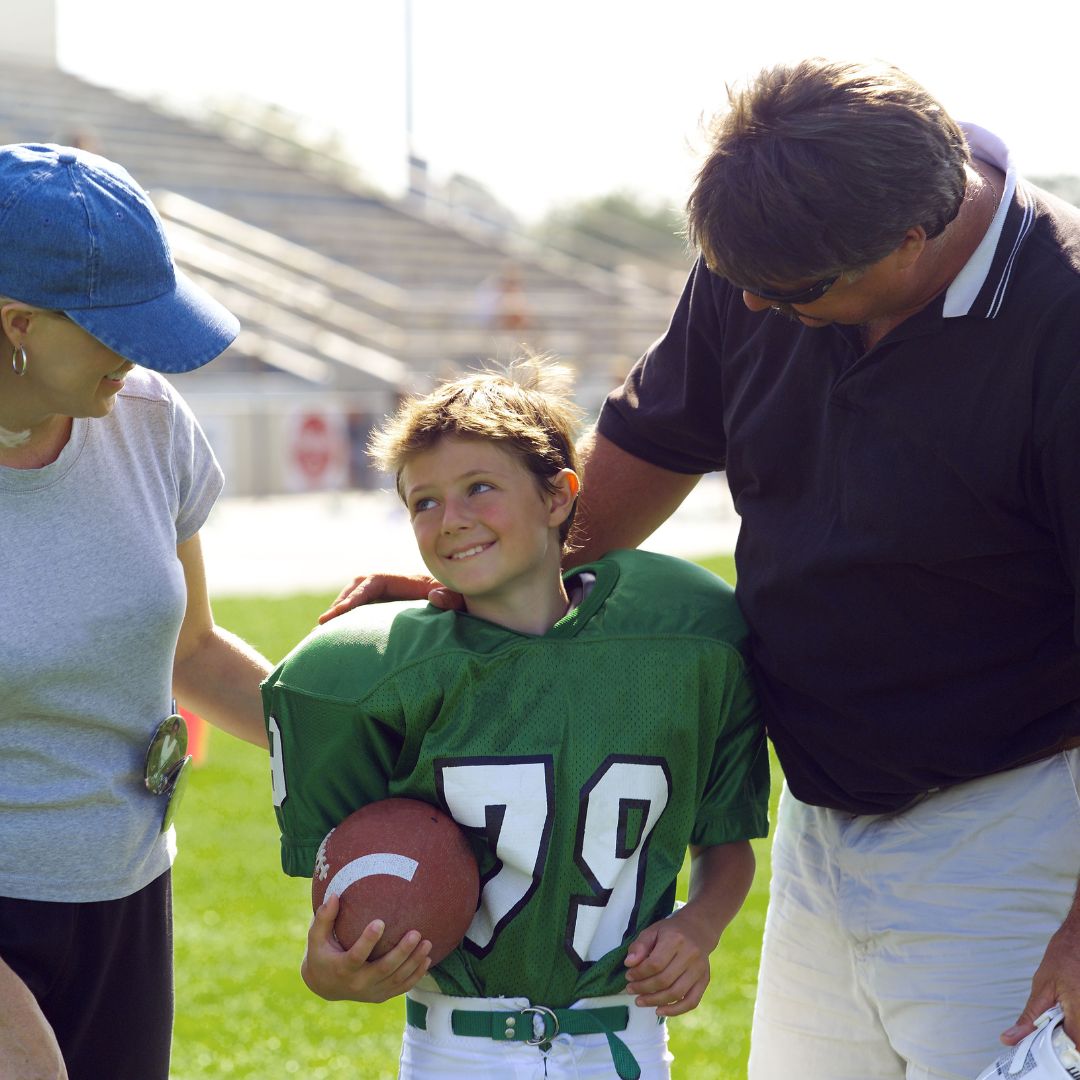
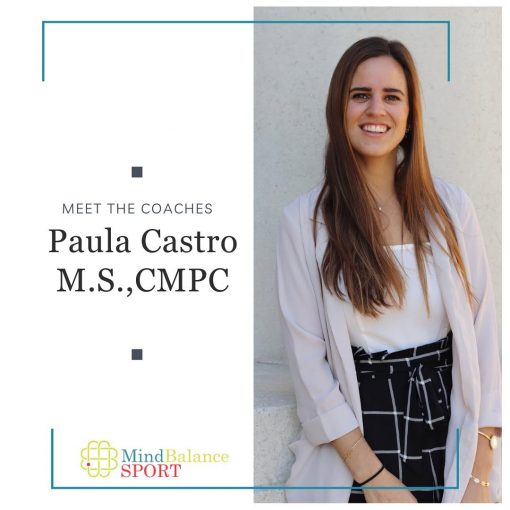
Meet the Team



testimonials
Athlete Stories: Real Comebacks, Real Results

Emma, a high school basketball player, tore her ACL in the middle of her junior season. After surgery, she struggled with self-doubt and fear every time she stepped back on the court. Through sport psychology training, she learned visualization techniques and confidence-building exercises that helped her regain trust in her knee. When she returned for her senior season, she didn’t just play—she led her team to the playoffs.

Carlos, a soccer player, suffered a stress fracture in his foot and had to miss half of his season. Sitting out was mentally tougher than the pain itself. We worked on mental engagement strategies to keep him sharp—studying game film, setting small rehab goals, and using mental imagery to stay ready. When he was finally cleared, his confidence never wavered.

Jordan, a track athlete, strained her hamstring before a major competition. She feared losing speed and falling behind competitors. Instead of focusing on what she couldn’t do, we redirected her energy toward mental preparation, using self-talk and goal setting to keep her confidence strong. When she returned, she set a new personal record.
EXCELLENT Based on 36 reviews
 Posted on Google

 Jennifer ChoMy 12-year old daughter, who plays competitive tennis, has been working with Paula Castro on growing her confidence and mental composure during matches. Paula has changed our mindset about mental training being as important as physical training, as we’ve seen our daughter effectively implement tools and strategies Paula has suggested (especially when she’s down and finds a way to come back). Our daughter has also enjoyed meeting with Paula online, mentioning she’s relatable and engaging. Highly recommend Paula!Posted on Google
 Liv ManningListened to me very thoughtfully and gave me helpful tools. Worked through different scenarios consistently and was always ready with her feedback. Great experience!Posted on Google
 Karissa OliverBeen working with Paula for a month or so now (competitive equestrian) and am so grateful and pleased with her and the Mind Balance process! I was initially somewhat apprehensive about performance coaching, especially as my recent challenges were tied up in a lot of grief and change so was curious how to address and detangle those things. Paula has really helped me separate those concepts and get back to focusing on performance in a tangible, constructive way that doesn’t unduly punish myself or my horse. I would recommend Paula and Mind Balance to anyone looking to improve their sporting performance and already plan to keep Paula in my tool box as long as I’m competing! Thank you for giving me my perspective back!Posted on Google
 Sophia SuarezWe’ve had a wonderful experience working with Matt! He has helped our son develop the mental skills and confidence needed to navigate competitive sports, especially during challenging moments. Matt has given him practical techniques to manage pressure, stay focused, reset after setbacks, and approach competition with a healthier, more resilient mindset. What I appreciate most is that Matt’s techniques are not just theoretical. Our son has actually been able to put them into practice during tournaments, including some incredibly close matches where he previously might have struggled mentally. Recently, he broke a losing streak that had lasted over two months, and we could see a real difference in how he handled himself, both emotionally and mentally. Matt understands that every child responds differently to pressure, and he takes the time to find strategies that genuinely work for each individual. We’re grateful for the progress our son has made and would highly recommend Matt to any family with a young athlete looking to build confidence, resilience, and mental toughness!Posted on Google
 Tyson PettingillMatt has really helped me develop myself on the mental side of not just baseball but life. It has really helped me grow as a person and I can’t wait to keep working with him!Posted on Google
 Rohan ChittellaWorking with Coach Brady at MindBalanceSPORT has been a great experience. As a high level athlete himself, he is able to bring concrete examples and frameworks that I was able to incorporate into my preparations for competition. I look forward to future sessions with him.Posted on Google
 hank rochetteI decided to work with a mental performance coach because I struggled with self-doubt around my race-day performance. I wanted to understand where those doubts came from and learn how to show up with greater confidence, focus, and certainty. Working with Brady has been a game changer. Through our work together, I now approach races feeling more relaxed, confident, and focused. Some of the most valuable tools I've developed include creating an alter ego for race day, understanding the difference between my internal and external scoreboards, and developing my personal pain pledge. These strategies have helped me perform with a stronger mindset and enjoy the process more. If you're looking to show up to your event, game, or race with greater confidence, certainty, and mental resilience, I highly recommend working with a mental performance coach—and Brady has been an outstanding guide throughout that journey.Posted on Google
 Ella ConnorI found my time at MindbalanceSPORT SUPER helpful. I improved a lot with my confidence in my own play and working on taking steps to reset after mistakes and in between points. This helped me achieve a lot more than I thought I would be able to. We were also able to create some impactful morning routines with meditation and mindfulness. I would highly recommend!!Posted on Google
 Nancy YasalonisWhat a great experience! Recently we had Brady Dinnsen work with our volleyball team to discuss various aspects of mental toughness. Some of the topics that were super helpful were Self-talk, Confidence, Next point mentality and Finishing. Brady would be an asset to any team looking to improve in these areas.Posted on Google
 Vicki AnagnostopoulosThis practice is doing amazing things for young athletes. I have had a top notch experience collaborating with providers at Mind Balance Sport. As a psychologist who does a lot of the clinical work with student athletes, the added component of mental performance coaching really catalyzes growth and well-being. I highly recommend.
Recovery
While Everyone Has A Physical Ceiling, There Is No Mental Ceiling.
Discovering the Role of Sports Psychologists in Atlanta, GA
“Mental toughness” in sports often refers to an athlete’s ability to perform under pressure, maintain focus during challenging situations, and bounce back after setbacks. Is it an innate skill or can it be developed? The debate is ongoing among sport psychologists.
Let’s first see what innate skills are. These are abilities that a person is born with – they didn’t learn them or acquire them later in life. For example, some people may inherently possess a high level of agility or speed, which might give them a natural advantage in certain sports.
Now, looking at mental toughness from this perspective, it would be unreasonable to claim that every athlete is born with an intrinsic ability to handle pressure or demonstrate resilience under stress. These are skills often honed over time through experience and training.
Moreover, studies have shown that mental toughness isn’t necessarily linked to personality traits. While certain individuals might naturally possess more confidence or determination than others – traits often associated with mental toughness – these alone don’t guarantee an athlete’s ability to remain resilient under pressure.
However, it’s important not to completely dismiss the role of genetics when considering mental toughness. Some research suggests there could be a genetic element to resilience and stress tolerance, which could play a part in shaping an athlete’s mental fortitude.
- Mental toughness isn’t strictly an innate skill.
- It is typically developed over time through training and experiences.
- Certain personality traits can contribute to mental toughness but don’t automatically equate to it.
- There may be a genetic component influencing resilience and stress tolerance.
It appears that while some athletes might naturally have certain characteristics that help with mental toughness, the majority of this skill comes from practice, learning from experiences and proper psychological training. Hence, it wouldn’t be accurate to label mental toughness as purely innate; instead, it’s more accurate to view it as a combination of inherent traits and learned skills.
Exploring the Importance of Sports Counselling in Atlanta, GA for Athletes
Athletic pursuits are not merely about physical abilities but also about mindsets. A sports professional’s mental strength can be a significant determinant of their performance. This article underscores the importance of a resilient mindset for those in the sports industry.
Sports professionals face an array of challenges during their careers, ranging from intense competition to injury recovery, and maintaining peak performance levels. It is in these taxing situations that a resilient mindset shows its significance.
Resilience refers to one’s capacity to withstand stressors and rebound from adversity. Athletes with high resilience tend to handle pressures better, recover quickly from setbacks, and are more likely to achieve their full potential.
- Handling Pressure:The ability to manage pressure is vital for any athlete. Whether it’s the pressure of competition, expectations from fans and coaches, or personal performance goals, athletes constantly face high-stress situations. A resilient mindset helps them stay composed and focused under such conditions.
- Overcoming Adversity:Sports professionals often encounter obstacles such as injuries or failures. Resilience allows them to remain optimistic during these tough times and bounce back stronger.
- Consistent Performance:Inconsistent performances can be demoralizing for athletes. Strong mental toughness helps them maintain consistency by allowing them to keep negative thoughts at bay and concentrate on their game strategies instead.
- Longevity in Sport:A career in sports can be very demanding both physically and mentally. Athletes with strong mental resilience tend to have longer careers as they can cope better with the challenges thrown at them over time.
From these points, it is evident that nurturing a resilient mindset should be a priority for every athlete aiming for excellence in their sport. To sustain this mindset, it’s essential they receive appropriate support from coaches, peers, psychologists specializing in sports psychology, and their family.
Furthermore, mental toughness is not a static trait. It can be developed and improved over time with targeted efforts and techniques. Sports psychologists play a vital role in this development by providing athletes with the tools and techniques to foster mental resilience.
In the world of sports, physical strength alone is not sufficient for success. Athletes must also possess strong mental fortitude to excel in their respective fields. Therefore, possessing a resilient mindset holds paramount importance for sports professionals globally.
Exploring Performance Psychology for Athletes in Atlanta, GA
Professional athletes are often exposed to a series of environments and situations that demand an extraordinary level of mental strength. These circumstances can range from intense competitive events to coping with injuries, and the capacity to navigate them effectively heavily relies on the inherent mental toughness of the athlete. Here, we explore some situations where athletes might need exceptional mental strength.
High-pressure competitions like important matches, tournaments or championship games demand a high degree of mental strength. The ability to perform under pressure, manage anxiety and maintain focus despite distractions are all reliant on having a robust psychological resilience.
Injury recovery is one of the most challenging parts for athletes. Often it’s not just about physical healing but also dealing with feelings of frustration, anxiety or depression associated with being unable to play. Athletes require exceptional mental strength during this phase to stay positive and committed to their recovery regime.
When athletes go through periods of poor performance, they need abundant mental strength to cope with criticism, self-doubt and maintain self-belief in their abilities despite failures.
Early career setbacks such as non-selection or being sidelined can be demotivating for young athletes. Mental resilience is crucial at this stage as it helps them view these setbacks as temporary hurdles rather than permanent obstacles.
Intense training regimes are physically exhausting but more importantly mentally challenging as well. They require athletes to push beyond their comfort zones regularly, requiring a high degree of psychological endurance.
Handling success can be as challenging for an athlete as dealing with failure – maintaining humility, staying focused on goals and not becoming complacent requires robust mental toughness.
Professional athletes often become public figures, and dealing with the pressure that comes with fame – scrutiny from media, high expectations from fans, maintaining personal relationships – all require strong mental strength.
In summary, mental toughness plays a critical role in an athlete’s career. It is not just about performing under pressure or winning games but also about handling the numerous challenges that come their way off-field. Regardless of the situation or circumstance, having a robust mental framework can significantly aid athletes in their journey to success.
Sport Performance Training in Atlanta, GA: Enhancing Athletic Prowess
Every athlete, regardless of their sport or skill level, can benefit from increased mental toughness. The ability to persevere through challenging circumstances, maintain confidence in the face of adversity, and keep a clear head under pressure are all hallmarks of mentally tough athletes. It is crucial for sports professionals and coaches to understand the strategies that can foster this mental toughness among athletes.
Find a Sports Psychologist Near Me to Cultivate a Growth Mindset
Developing a growth mindset is integral to fostering mental toughness. Athletes with a growth mindset believe they can improve through effort and practice. They view challenges as opportunities for growth rather than as barriers to success and are more likely to bounce back after a defeat.
Techniques:
- Regularly reinforce the idea that effort leads to improvement
- Encourage athletes to embrace challenges
- Frame setbacks as learning opportunities
Enhance Focus
An athlete’s ability to focus directly impacts their performance. By staying focused on the task at hand, athletes can better manage distractions and perform at their highest level, even under pressure.
Techniques:
- Teach mindfulness practices
- Include focus drills in training
- Practice visualization techniques
Build Confidence
Confident athletes are generally more mentally resilient. They believe in their abilities, trusting that they have what it takes to succeed. Building an athlete’s confidence isn’t about inflating their ego but about reinforcing their belief in themselves.
Techniques:
- Provide constructive feedback
- Celebrate successes big and small
- Set manageable goals to gradually push boundaries
Create Support Networks
Support networks play an essential role in fostering mental toughness. Feeling supported can help an athlete manage stressors more effectively, enhancing resilience.
Techniques:
- Encourage team-building activities
- Facilitate open communication between teammates
- Promote healthy relationships with coaches and mentors
Emphasize Self-care
Mental well-being is closely tied to physical well-being. Therefore, teaching athletes to prioritize self-care is an important part of fostering mental toughness.
Techniques:
- Promote healthy eating and sleeping habits
- Help athletes identify stressors and develop coping strategies
- Encourage regular breaks from training to avoid burnout
Establishing these strategies can drastically enhance an athlete’s mental toughness over time. However, it’s essential to remember that building mental toughness is a process, not an overnight transformation. Be patient and consistent in applying these techniques, and they may significantly help improve an athlete’s performance, both on and off the field.
Fostering Mental Toughness Among Athletes with a Sports Mental Coach in Atlanta, GA
For athletes, mental toughness is as essential as physical strength and skill. It allows them to persevere through challenging times, achieve personal records, and perform under pressure. As such, coaches and sports psychologists have developed strategies aimed at enhancing this crucial attribute. Here are some proven methods that can aid in fostering mental toughness among athletes.
Regular Mental Skills Training
Just as physical training enhances an athlete’s strength and stamina, mental skills training can help improve their psychological resilience. Techniques such as visualization, self-talk, concentration exercises, and mindfulness practice can be incorporated into the athlete’s regular training routine.
- Visualization:This technique involves imagining oneself successfully executing a certain action or achieving a certain goal. Athletes who practice visualization regularly often find it easier to maintain their confidence under pressure.
- Self-Talk:Positive self-talk boosts morale and helps athletes stay focused on their goals. Encouraging phrases like “I can do this” or “I am prepared” can be used during training sessions or competitions.
- Concentration Exercises:These include tasks that require athletes to sustain their attention for extended periods of time, such as memorizing sequences or tracking moving objects.
- Mindfulness Practice:This involves focusing on the present moment without judgment, which helps reduce anxiety and improve performance.
Resilience Coaching
Resilience coaching assists athletes in developing the ability to handle stressors effectively without compromising performance. This type of coaching emphasizes developing coping mechanisms for handling failure and setbacks.
Exposure Therapy
Exposure therapy involves gradually exposing athletes to stressful situations in controlled environments to foster adaptability and resilience. By facing these scenarios repeatedly in practice sessions, they improve their ability to handle them in actual competitions.
Sport-Specific Psychological Training
Sport-specific psychological training tailors mental skills strategies according to the demands of each sport. For example, a tennis player might focus on maintaining concentration during long rallies, while a football player might work on managing the pressure of crucial penalty kicks.
Developing a Growth Mindset
A growth mindset is the belief that abilities can be developed through dedication and hard work. Coaches can foster a growth mindset in athletes by praising effort over outcome and focusing on process goals rather than just end results.
Building Strong Support Networks
A strong support network can greatly enhance an athlete’s mental toughness. This can involve family, friends, teammates, coaches, or sports psychologists. These individuals provide emotional support, offer constructive criticism, and help maintain motivation during tough times.
While these strategies do not guarantee that all athletes will become mentally tough overnight, they provide a solid foundation for developing the necessary skills. With consistent practice and commitment, athletes can enhance their mental toughness to match their physical prowess and excel in their respective sports.
Exploring the Field of Sports Psychiatry in Atlanta, GA
Mental resilience, often referred to as ‘mental toughness,’ is an essential trait in athletes. It plays a pivotal role in determining their performance and overall success. This section will highlight some key psychological techniques that help shape a mentally resilient athlete.
Firstly, an essential aspect of mental resilience is goal setting. Athletes are encouraged to set both short-term and long-term goals. Short-term goals provide immediate targets and offer a sense of achievement when accomplished. Long-term goals, on the other hand, give direction to the athletes’ efforts and keep them motivated.
markdown – Short-Term Goals: Achievable within a short period – Long-Term Goals: Gives a long term direction and motivation
Another technique is positive self-talk. This involves using positive affirmation statements to boost confidence and decrease stress. Athletes can use this technique before, during, or after their performance.
markdown – Pre-event: “I have trained hard for this.” – During Event: “I can do it.” – Post-event: “I did well today.”
Next is visualization, also known as mental imagery. This technique requires athletes to imagine themselves performing at their best or overcoming challenges in their sports event. Visualization can enhance concentration, increase confidence, and improve technique.
markdown Example: – Visualize making the perfect shot in basketball. – Visualize winning a race.
A fourth technique is mindfulness, which entails being completely present in the moment without judgment or distraction. Practicing mindfulness helps athletes focus on the task at hand rather than worrying about outcomes or past mistakes.
markdown Mindfulness exercises include: – Guided meditation – Deep breathing exercises
Finally, developing an ability to manage stresseffectively is crucial for athletic performance. Stress management techniques such as deep breathing, progressive muscle relaxation, and yoga can help athletes maintain their composure in high-pressure situations.
markdown Stress Management Techniques: – Deep Breathing Exercises: Helps to calm down and focus. – Progressive Muscle Relaxation: Reduces muscle tension and promotes relaxation. – Yoga: Combines physical postures, breathing exercises, and meditation to improve mental and physical well-being.
The techniques mentioned above can be beneficial for athletes who strive to build mental resilience. However, the effectiveness of these techniques may vary from person to person. Therefore, it is critical for sports psychologists to tailor these techniques to suit individual needs and preferences. It’s also worth noting that developing mental resilience is a process that requires consistent effort over time. But with the right attitude and support, athletes can achieve significant improvements in their mental toughness.