
Sports Psychologist in Boston, MA
We train the other half of the athlete
You want to work on your mental game, but how do you train your brain?
Mental training does not get much media attention, but at MindBalanceSPORT we know it is a game changer. The mental skills you will learn at MindBalanceSPORT are generalizable in the classroom, in sport and in life!
We know that mental skills can be successfully taught, even at an early age.
Our Services



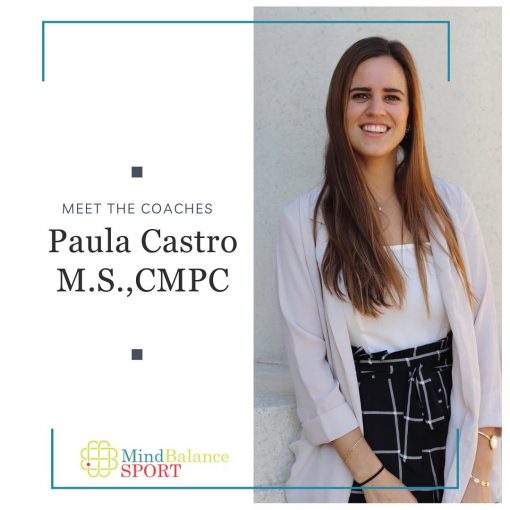
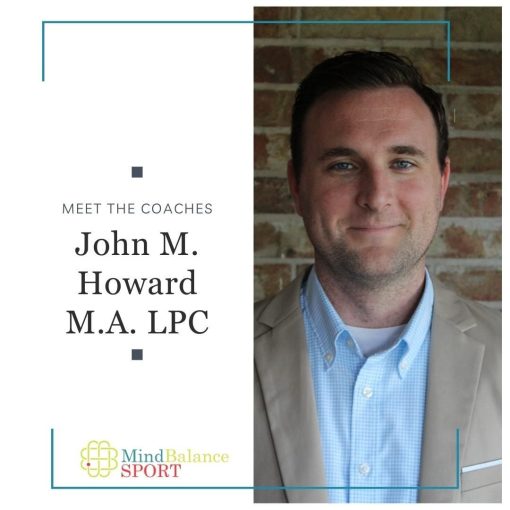
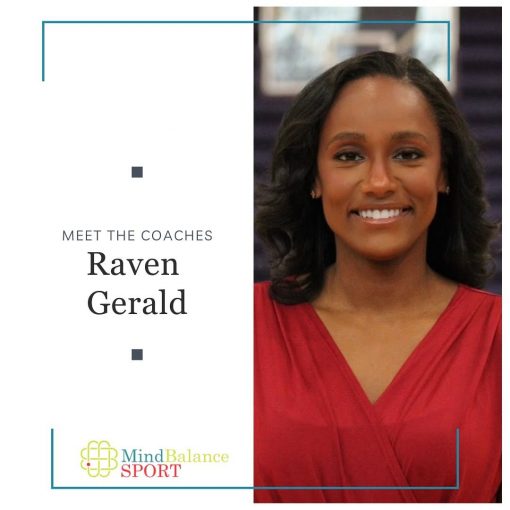
Meet the Team


testimonials
Athlete Stories: Real Comebacks, Real Results

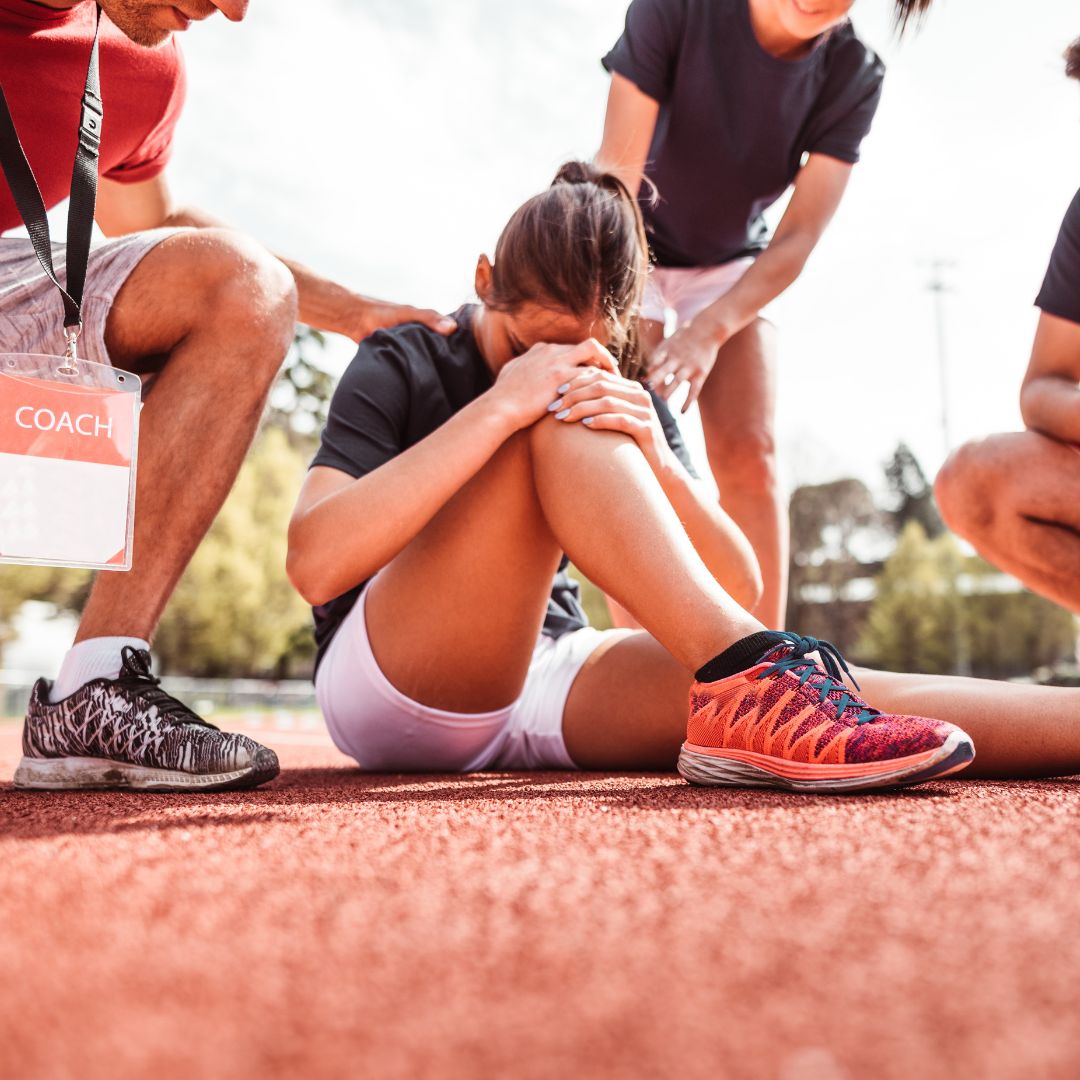
Emma, a high school basketball player, tore her ACL in the middle of her junior season. After surgery, she struggled with self-doubt and fear every time she stepped back on the court. Through sport psychology training, she learned visualization techniques and confidence-building exercises that helped her regain trust in her knee. When she returned for her senior season, she didn’t just play—she led her team to the playoffs.

Carlos, a soccer player, suffered a stress fracture in his foot and had to miss half of his season. Sitting out was mentally tougher than the pain itself. We worked on mental engagement strategies to keep him sharp—studying game film, setting small rehab goals, and using mental imagery to stay ready. When he was finally cleared, his confidence never wavered.

Jordan, a track athlete, strained her hamstring before a major competition. She feared losing speed and falling behind competitors. Instead of focusing on what she couldn’t do, we redirected her energy toward mental preparation, using self-talk and goal setting to keep her confidence strong. When she returned, she set a new personal record.
EXCELLENT Based on 30 reviews
 Posted on Google
 hank rochetteI decided to work with a mental performance coach because I struggled with self-doubt around my race-day performance. I wanted to understand where those doubts came from and learn how to show up with greater confidence, focus, and certainty. Working with Brady has been a game changer. Through our work together, I now approach races feeling more relaxed, confident, and focused. Some of the most valuable tools I've developed include creating an alter ego for race day, understanding the difference between my internal and external scoreboards, and developing my personal pain pledge. These strategies have helped me perform with a stronger mindset and enjoy the process more. If you're looking to show up to your event, game, or race with greater confidence, certainty, and mental resilience, I highly recommend working with a mental performance coach—and Brady has been an outstanding guide throughout that journey.Posted on Google
 Ella ConnorI found my time at MindbalanceSPORT SUPER helpful. I improved a lot with my confidence in my own play and working on taking steps to reset after mistakes and in between points. This helped me achieve a lot more than I thought I would be able to. We were also able to create some impactful morning routines with meditation and mindfulness. I would highly recommend!!Posted on Google
 Nancy YasalonisWhat a great experience! Recently we had Brady Dinnsen work with our volleyball team to discuss various aspects of mental toughness. Some of the topics that were super helpful were Self-talk, Confidence, Next point mentality and Finishing. Brady would be an asset to any team looking to improve in these areas.Posted on Google
 Vicki AnagnostopoulosThis practice is doing amazing things for young athletes. I have had a top notch experience collaborating with providers at Mind Balance Sport. As a psychologist who does a lot of the clinical work with student athletes, the added component of mental performance coaching really catalyzes growth and well-being. I highly recommend.Posted on Google
 Kristin HumeI am a marathon runner with some big goals for myself. In my last three marathons, I’ve struggled with some serious mental blockers in the later miles, and I’ve disappointed myself. In just 3 sessions so far, Paula has shown me how much my mental game is slowing me down. She’s armed me with actionable strategies to tackle my mental demons so that I can achieve what I think I am capable of. More than that, she’s helped me recover my “why” so that I can find joy in running again. She has been life changing. I am a 9x marathoner, yet I didn’t realize how much our mindset can shape our running experience, and how critical it is to train our brains along with our bodies. She’s getting me ready to take on my second Boston marathon this spring, and I can’t wait!Posted on Google
 Jacey SprattMy daughter (now 13) is a highly motivated and dedicated competitive gymnast who currently changed 16 hours a week. We hired Paula Castro a couple of years ago to work with her, as she was struggling with the stress/expectations of meets as well as some of the dynamics in the gym. Paula was a godsend; she helped make competitions more enjoyable/less stressful for her. She also provided useful tools and strategies that despite her young age, really resonated with her. My daughter attributes her gymnastics advancement in large part due to her work with Paula. We could not recommend her more highly and hope to work with her again in the future.Posted on Google
 Lauren WoolbertMy daughter and I loved working with Paula! I was worried that my kid may be too young, but it was so helpful to really find what the sport means to my daughter. And now we have several tools we can use in different situations to help re-focus and strengthen her mental game. We will definitely be calling her back if and when we hit an inevitable rough patch!Posted on Google
 Josh NotesIt has been great to use their guidance, tools and support to help our pre-teen athlete with mental focus and emotional regulation during competition.
Recovery
While Everyone Has A Physical Ceiling, There Is No Mental Ceiling.
Exploring the Role of Sports Psychologists in Boston, MA in Improving Athlete Performance
The global sports industry, like many other sectors, has been significantly impacted by the COVID-19 pandemic. For athletes worldwide, it has brought about a heightened sense of stress and uncertainty. In this context, mindfulness emerges as a crucial strategy to help athletes maintain their mental health.
Mindfulness is the practice of focusing one’s mind on the present moment while calmly acknowledging and accepting one’s feelings, thoughts, and sensations. It has been recognized as an effective method for reducing anxiety and increasing mental well-being. In the era of COVID-19, mindfulness exercises can help athletes cope with stress related to uncertain competition schedules, social isolation, and fear of infection.
- Reducing Anxiety: Mindfulness has been shown to decrease levels of anxiety by allowing individuals to recognize their thoughts without judgment.
- Enhancing Focus: By encouraging individuals to concentrate on the present moment, mindfulness can improve athletes’ focus during training sessions or competitions.
- Improving Sleep Quality: Studies have shown that regular practice of mindfulness techniques can lead to better sleep quality—a critical factor in an athlete’s performance and recovery.
- Promoting Mental Resilience: Mindfulness helps build resilience by enabling individuals to respond more effectively to stressors rather than reacting impulsively.
An effective way for athletes to incorporate mindfulness into their routine is through meditation. Regular meditation sessions—be it guided or solo—can instill a habit of mindfulness. Other methods include yoga or even simple breathing exercises that focus on controlled inhales and exhales.
For optimal results from mindfulness techniques, consistency is key. Regular practice will enable an athlete not only to cope with stressors brought on by COVID-19 but also cultivate a healthier mindset that will be beneficial beyond the pandemic.
Sports psychologists play a crucial role in promoting mindfulness among athletes. They can provide guided mindfulness sessions, suggest appropriate techniques, and support athletes in their mindfulness journey. As experts in understanding the mental processes and behaviors of athletes, they are well-equipped to tailor interventions that cater to individual needs.
COVID-19 has undoubtedly brought about a new set of challenges for athletes. However, by adopting strategies like mindfulness, it is possible to navigate these uncertainties while maintaining mental health. The role of mindfulness during these times only underscores the importance of prioritizing psychological well-being in the world of sports.
Sport Performance Training in Boston, MA: Enhancing Athlete Abilities and Success
Ever since the outbreak of COVID-19, athletes from around the world have encountered unprecedented challenges. These range from disrupted training schedules and cancelled competitions to grappling with anxiety about their professional future. As a sports psychologist, understanding and addressing these emerging issues is crucial to help athletes navigate through this challenging time.
- Disrupted Routine: Many athletes found themselves unable to train as rigorously or consistently as before due to lockdowns and fear of infection. This sudden break in routine can lead to feelings of uncertainty, restlessness, and demotivation.
- Cancelled or Postponed Events: The mass cancellation or postponement of sports events has left many athletes in a state of limbo. Uncertainty about future competitions can trigger anxiety and distress about their career trajectory.
- Absence of Social Interaction: The social aspects tied with training like camaraderie amongst teammates, interaction with coaches are largely missing due to safety protocols. This lack of social interaction can lead to feelings of isolation.
Psychological Impact on Athletes
The physical implications of COVID-19 are widely discussed; however, its psychological impact on athletes is equally important. The abrupt changes in their lifestyle combined with uncertainty about their professional future can lead to several psychological issues.
- Increased Anxiety & Stress: The uncertainty surrounding their professional life coupled with fear for their health can lead to heightened levels of stress and anxiety.
- Depression: Prolonged periods without active training, competition, and isolation can trigger depressive symptoms among athletes.
- Decreased Motivation: Absence of immediate competitions, altered training schedules, and the ongoing crisis can lead to a significant decrease in motivation.
Role of Sports Psychologists
- Developing Coping Strategies: Tailored strategies can help athletes handle stress and anxiety better. These could include mindfulness techniques, cognitive behavioural strategies or relaxation exercises.
- Promoting Self-Care: Encouraging athletes to follow a balanced diet, adequate sleep schedule and regular physical activity can help maintain their physical health which is closely linked with mental well-being.
- Virtual Consultations: With ongoing restrictions, psychologists have adapted to virtual consultations enabling them to provide continued support.
- Creating a Supportive Environment: By fostering open communication, psychologists can encourage athletes to share their concerns and fears which is the first step towards addressing them.
The impact of COVID-19 on athletes’ well-being is complex and wide-ranging. However, as sports psychologists work diligently to understand these unique challenges and adapt their therapeutic practices accordingly, they play an essential role in helping athletes not just cope but thrive under these unusual circumstances.
Navigating COVID-19 Uncertainties: Insights from a Sports Mental Coach in Boston, MA
The unprecedented global health crisis brought about by COVID-19 has greatly affected the world of sports. With the sudden standstill and interruption of regular training schedules, competitions, and even personal routines, athletes are forced to adapt to new norms. This process of adjustment—often coupled with feelings of uncertainty and anxiety—can be daunting for many. However, with resilience and strategic psychological tools, athletes are finding ways to navigate through these challenging times.
One of the ways athletes have been adapting to the new norms is by redefining their training programs. Since most fitness facilities remain closed or with limited operations due to social distancing regulations, athletes have had to shift from traditional gym-based training methods towards home-based exercises and workouts.
- Creating Home Training Routines: Athletes have been developing creative workout routines that can be done at home with minimal equipment.
- Shift Towards Online Training Platforms: There has been an increase in the use of online platforms for training sessions as they offer a safe and convenient alternative.
Another significant change has been in their mental preparation strategies. The uncertainties brought on by this pandemic have emphasized the importance of mental health alongside physical well-being.
- Emphasis on Mental Health: Athletes have started incorporating mindfulness practices into their routines, enhancing their ability to stay focused and composed during this period.
- Engagement with Sports Psychologists: Many athletes increased their engagement with sports psychologists who provide them with coping mechanisms and help them adapt to these new circumstances.
- Adapted Nutritional Habits: With changes in workout routines, many athletes have also had to alter their diet plans focusing more on immunity boosting food items.
- Maintaining Sleep Hygiene: Prioritizing good quality sleep has become even more essential during these times.
- Personal Growth: Many are using the extra time to learn new skills, engage in hobbies and spend quality time with family, giving them a balanced lifestyle.
- Community Engagement: Athletes have been actively participating in online communities, sharing their experiences and providing support for each other.
While the uncertainties brought by COVID-19 have indeed disrupted the usual routines of athletes, it also paved the way for an increased emphasis on holistic well-being. The experience has highlighted the importance of adaptability, mental resilience and community engagement in sports. These changes have not only helped athletes navigate through this crisis but will also reshape how they approach their profession in a post-COVID world.
Understanding the Power of Sports Counselling in Boston, MA for Athletes’ Mental Health
Mindfulness-based intervention (MBI) is a powerful tool that has gained significant traction in the field of sports psychology. Commonly used to manage stress, improve focus, and foster positive mental health amongst athletes, MBI involves intentional self-regulation of attention and non-judgmental awareness experienced in the present moment.
Exploring Sports Psychiatry in Boston, MA
Mindfulness-based intervention is a therapeutic approach that centers on mindfulness practices. It principally encourages individuals to focus on their current state of mind and body without judgment. This approach has roots in Buddhist philosophy but has been adopted by western medicine as an effective tool for promoting mental health.
Mindfulness-based interventions often involve techniques such as meditation, breathing exercises, yoga, and other practices that help individuals stay focused on the present moment. For instance, one core practice involves sitting quietly and paying attention to one’s breath or body sensations while acknowledging without judgement any thoughts or feelings that may arise.
Finding a Sports Psychologist Near Me: Enhancing Athletic Performance
- Stress Reduction: MBI can significantly reduce stress levels by cultivating a heightened awareness of present-moment experiences.
- Improved Focus & Concentration: By teaching athletes to remain present-minded during their performances, MBI can help improve their focus and concentration.
- Better Emotional Regulation: Regular practice of mindfulness exercises can help individuals control their emotions better amid stressful situations.
- Enhanced Performance: Studies suggest that mindfulness training can enhance athletic performance by reducing pre-performance anxieties.
Incorporating Mindfulness-Based Intervention in Sports Psychology
- Daily Mindfulness Meditation: A quiet time of focus and reflection can help athletes stay present, reduce stress, and improve mental clarity.
- Mindful Breathing Exercises: These exercises can help athletes manage immediate stressors, such as pre-game nerves.
- Body Scan Exercises: By focusing on different parts of the body, athletes can develop a better connection between their mind and body.
Incorporating MBI does not require an extensive time commitment. Even 10 to 15 minutes of daily practice can reap substantial benefits.
Case Studies
Multiple studies have demonstrated the effectiveness of mindfulness-based interventions. For example, a study published in the Journal of Clinical Sport Psychology found that a group of long-distance runners who participated in an 8-week mindfulness program exhibited reduced levels of sport-related anxiety compared to a control group.
Another study published in The Sport Psychologist journal revealed that golfers who underwent mindfulness training showed improvement in their performance by reducing cognitive interference during their game.
Thus, these findings highlight how understanding and implementing mindfulness-based intervention can serve as a powerful tool for enhancing athletes’ mental health and overall performance.
The Implications of COVID-19 for Athletes: Strategies for Maintaining Mental Health
The COVID-19 pandemic has had a widespread impact on all walks of life, including professional sports. With tournaments canceled, training routines disrupted, and social distancing norms affecting their regular physical interactions, athletes are facing challenges that go beyond the physical hurdles they usually train for. Psychological resilience is now more important than ever. Let’s explore some key strategies that athletes can employ to maintain their mental health during these trying times.
Developing a Flexible Mindset
One significant implication of the pandemic is the uncertainty it brings along. Athletes used to strict schedules and rigorous routines may find it difficult to adjust to this uncertainty. Developing a flexible mindset can help mitigate this challenge. This implies being open to change and adapting one’s expectations in tune with the changing circumstances.
Regular Physical Activity
Just because sports events are on hold doesn’t mean athletes should stop physical activity altogether. Regular exercise boosts serotonin levels in the body, which improves mood and overall sense of well-being. It also helps in reducing stress levels.
Mindfulness and Meditation
Mindfulness-based interventions have proven beneficial in strengthening an athlete’s mental health by cultivating self-awareness and focus. Meditation techniques such as visualization can help athletes manage anxiety and stress during these uncertain times.
Connecting with Others
While social distancing norms might limit physical interactions, technology offers ample opportunities for staying connected with teammates, coaches, families, and friends. Regularly sharing experiences and feelings or just catching up on each other’s lives can provide emotional support.
Seeking Professional Help
Despite their best efforts, there may be times when athletes find it hard to cope with stress or anxiety by themselves. In these instances, they should not hesitate to seek help from sports psychologists who are trained professionals experienced in dealing with such situations.
Remember that while COVID-19 has indeed thrown life off balance for many people around the globe, including athletes, it’s also an opportunity for them to build mental resilience. The strategies mentioned above can help in coping with the psychological implications of the pandemic. However, every individual is different, so what works best might vary from person to person.
Importantly, athletes should not view seeking help for mental health issues as a sign of weakness. Rather, taking proactive steps towards maintaining mental health under challenging circumstances is a sign of strength and an essential aspect of being a well-rounded athlete.
The Role of Performance Psychology in Boston, MA for Enhancing Athlete’s Abilities
Sports psychologists play a pivotal role in ensuring the mental well-being of athletes, particularly during times of crisis. This role becomes all the more crucial amidst circumstances like global health crises, and unprecedented events like the COVID-19 pandemic. During such periods, many athletes battle with heightened stress and anxiety levels due to uncertainty, changes to training schedules, and concerns over personal and professional well-being.
Sports psychologists often employ mindfulness techniques to help athletes maintain their mental equilibrium. Mindfulness involves maintaining a moment-by-moment awareness of thoughts, feelings, bodily sensations, and surrounding environment without any judgment. It allows athletes to focus on the present moment rather than worrying about past performances or future expectations.
The Role of Sports Psychologists in Promoting Mindfulness
- Guiding Athletes Through Mindfulness Exercises: This could involve breathing exercises or guided imagery where athletes imagine themselves achieving their goals.
- Teaching Athletes Self-Compassion: This helps them stay focused and positive even when they have a bad day or don’t meet their own expectations.
- Facilitating Group Sessions: These can be particularly effective because they provide a supportive environment where athletes can share their experiences and learn from each other.
Benefits of Mindfulness for Athletes
- Improved Focus: By learning to center their attention on one task at a time – whether that’s working out, eating healthily or sleeping well – athletes can enhance performance on the field.
- Enhanced Recovery: Mindfulness can help reduce anxiety and stress levels which subsequently improves an athlete’s recovery process.
- Increased Resilience: By being mindful, athletes learn how to deal with setbacks more effectively which enhances their resilience in times of crisis.
Facilitating Mindfulness Amidst Crisis
- Online Sessions: With social distancing norms in place, online sessions can help athletes stay mentally fit.
- Regular Check-ins: Regular virtual meetings can provide a semblance of routine and normalcy for athletes.
- Creating a Safe Space for Sharing: It is important to create an environment where athletes feel comfortable sharing their feelings and concerns.
The role played by sports psychologists in facilitating mindfulness among athletes during times of crisis is instrumental. By providing athletes with the tools to remain mentally strong, they help ensure that these individuals can continue to perform at their best despite challenging circumstances.