
Sports Psychologist in Dallas, TX
We train the other half of the athlete
You want to work on your mental game, but how do you train your brain?
Mental training does not get much media attention, but at MindBalanceSPORT we know it is a game changer. The mental skills you will learn at MindBalanceSPORT are generalizable in the classroom, in sport and in life!
We know that mental skills can be successfully taught, even at an early age.
Our Services



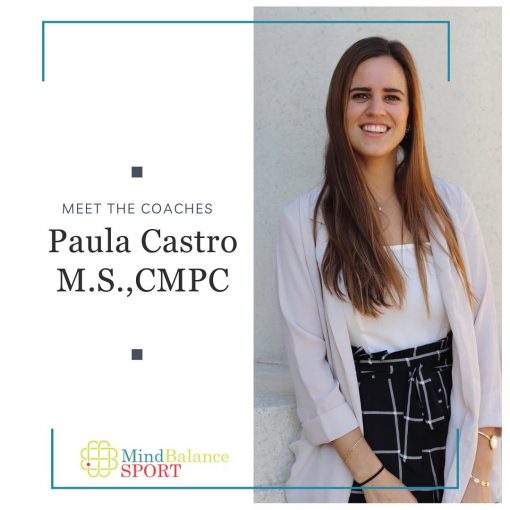
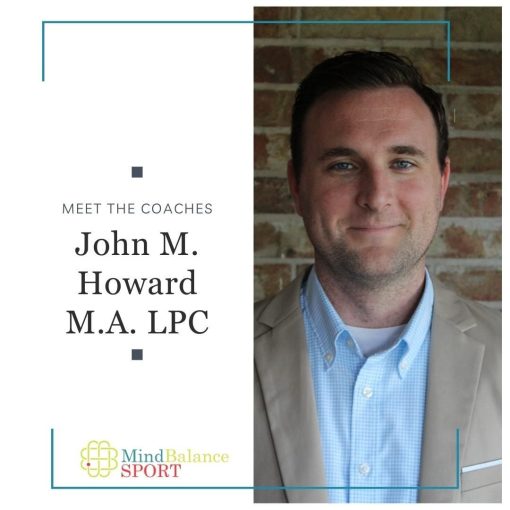
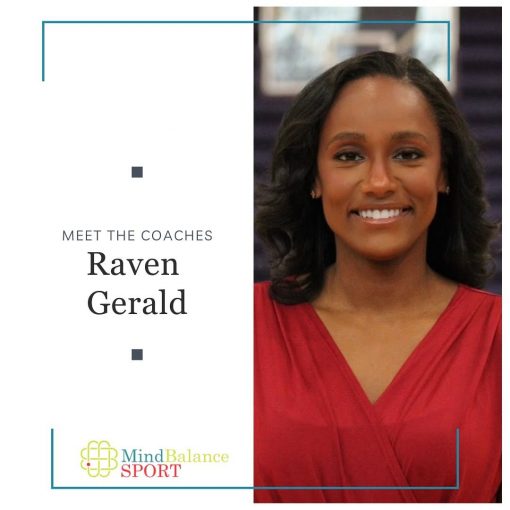
Meet the Team


testimonials
Athlete Stories: Real Comebacks, Real Results

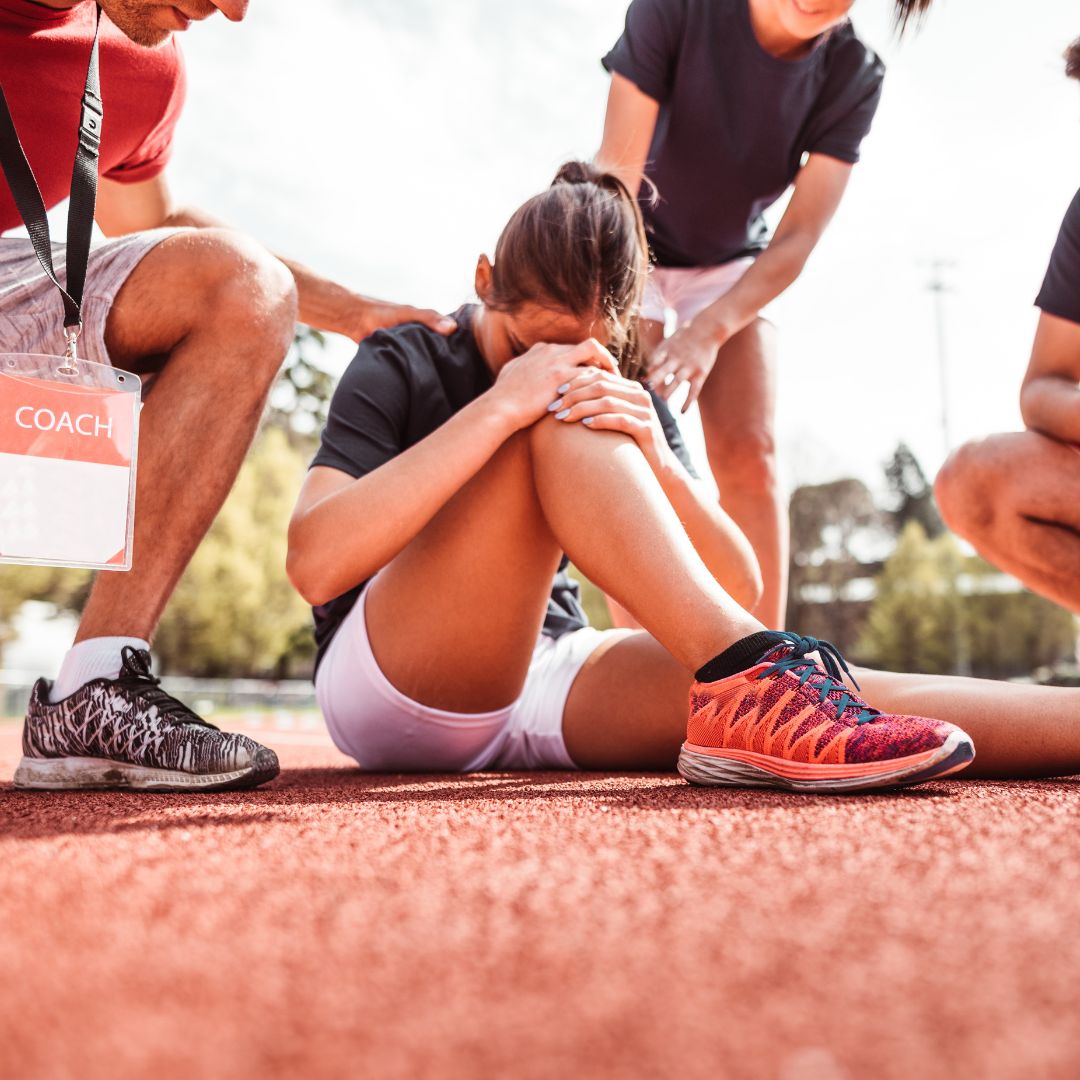
Emma, a high school basketball player, tore her ACL in the middle of her junior season. After surgery, she struggled with self-doubt and fear every time she stepped back on the court. Through sport psychology training, she learned visualization techniques and confidence-building exercises that helped her regain trust in her knee. When she returned for her senior season, she didn’t just play—she led her team to the playoffs.

Carlos, a soccer player, suffered a stress fracture in his foot and had to miss half of his season. Sitting out was mentally tougher than the pain itself. We worked on mental engagement strategies to keep him sharp—studying game film, setting small rehab goals, and using mental imagery to stay ready. When he was finally cleared, his confidence never wavered.

Jordan, a track athlete, strained her hamstring before a major competition. She feared losing speed and falling behind competitors. Instead of focusing on what she couldn’t do, we redirected her energy toward mental preparation, using self-talk and goal setting to keep her confidence strong. When she returned, she set a new personal record.
EXCELLENT Based on 30 reviews
 Posted on Google
 hank rochetteI decided to work with a mental performance coach because I struggled with self-doubt around my race-day performance. I wanted to understand where those doubts came from and learn how to show up with greater confidence, focus, and certainty. Working with Brady has been a game changer. Through our work together, I now approach races feeling more relaxed, confident, and focused. Some of the most valuable tools I've developed include creating an alter ego for race day, understanding the difference between my internal and external scoreboards, and developing my personal pain pledge. These strategies have helped me perform with a stronger mindset and enjoy the process more. If you're looking to show up to your event, game, or race with greater confidence, certainty, and mental resilience, I highly recommend working with a mental performance coach—and Brady has been an outstanding guide throughout that journey.Posted on Google
 Ella ConnorI found my time at MindbalanceSPORT SUPER helpful. I improved a lot with my confidence in my own play and working on taking steps to reset after mistakes and in between points. This helped me achieve a lot more than I thought I would be able to. We were also able to create some impactful morning routines with meditation and mindfulness. I would highly recommend!!Posted on Google
 Nancy YasalonisWhat a great experience! Recently we had Brady Dinnsen work with our volleyball team to discuss various aspects of mental toughness. Some of the topics that were super helpful were Self-talk, Confidence, Next point mentality and Finishing. Brady would be an asset to any team looking to improve in these areas.Posted on Google
 Vicki AnagnostopoulosThis practice is doing amazing things for young athletes. I have had a top notch experience collaborating with providers at Mind Balance Sport. As a psychologist who does a lot of the clinical work with student athletes, the added component of mental performance coaching really catalyzes growth and well-being. I highly recommend.Posted on Google
 Kristin HumeI am a marathon runner with some big goals for myself. In my last three marathons, I’ve struggled with some serious mental blockers in the later miles, and I’ve disappointed myself. In just 3 sessions so far, Paula has shown me how much my mental game is slowing me down. She’s armed me with actionable strategies to tackle my mental demons so that I can achieve what I think I am capable of. More than that, she’s helped me recover my “why” so that I can find joy in running again. She has been life changing. I am a 9x marathoner, yet I didn’t realize how much our mindset can shape our running experience, and how critical it is to train our brains along with our bodies. She’s getting me ready to take on my second Boston marathon this spring, and I can’t wait!Posted on Google
 Jacey SprattMy daughter (now 13) is a highly motivated and dedicated competitive gymnast who currently changed 16 hours a week. We hired Paula Castro a couple of years ago to work with her, as she was struggling with the stress/expectations of meets as well as some of the dynamics in the gym. Paula was a godsend; she helped make competitions more enjoyable/less stressful for her. She also provided useful tools and strategies that despite her young age, really resonated with her. My daughter attributes her gymnastics advancement in large part due to her work with Paula. We could not recommend her more highly and hope to work with her again in the future.Posted on Google
 Lauren WoolbertMy daughter and I loved working with Paula! I was worried that my kid may be too young, but it was so helpful to really find what the sport means to my daughter. And now we have several tools we can use in different situations to help re-focus and strengthen her mental game. We will definitely be calling her back if and when we hit an inevitable rough patch!Posted on Google
 Josh NotesIt has been great to use their guidance, tools and support to help our pre-teen athlete with mental focus and emotional regulation during competition.
Recovery
While Everyone Has A Physical Ceiling, There Is No Mental Ceiling.
Comprehensive Guide to Sports Psychologists in Dallas, TX for Athletes
In the world of sports, adaptability is an often underappreciated yet vital characteristic that every athlete should hone. It is an ingredient that can make or break a sportsperson’s career. This article delves into its importance and the ways athletes can build this trait.
Understanding Sports Counselling in Dallas, TX
Adaptability refers to the capacity to adjust one’s thoughts, feelings, and responses to changing situations. For athletes, it involves adjusting their strategies to different opponents, playing conditions, game rules, injuries, and more.
- Overcoming unpredictable situations: Sports are replete with uncertainties. Weather conditions change, teammates get injured, referees make surprise calls – all these require athletes to modify their strategy promptly.
- Dealing with high-pressure environments: High-stake competitions often bring unexpected pressure. Athletes need adaptability to handle these stressors effectively while maintaining their performance.
- Enhancing learning and growth: Adaptability allows athletes to learn from failure, incorporate feedback into their practice, and grow continuously as a player.
Exploring Performance Psychology in Dallas, TX: A Comprehensive Guide
Mental toughness can be improved through consistent psychological training involving self-talk techniques, mindfulness exercises, and visualization practices.
Athletes should embrace change as an opportunity for growth rather than a threat. They need to develop a positive mindset towards variability in their environment or routines.
Adaptability is not just mental; physical fitness plays an integral role too. Regular strength training, flexibility exercises and endurance workouts can equip athletes to adapt quickly on the field.
Practicing under various playing conditions and rules can help athletes become accustomed to uncertainty and change, further developing their adaptability.
Regular self-assessment of performance, along with seeking feedback from coaches and teammates, can provide valuable insights for improvement.
Enhancing Sport Performance Training in Dallas, TX
- Encourage athletes to step out of their comfort zones.
- Instill a growth mindset, highlighting that failures are stepping stones to success.
- Provide opportunities for athletes to experience and navigate change.
- Offer constructive feedback to help athletes adjust their strategies.
Adaptability is an essential trait that fuels an athlete’s journey towards excellence. While it’s a challenge to develop, the rewards – resilience, flexibility, improved performance – make every effort worth it. By understanding its importance and investing time and effort into honing this skill, athletes can elevate their game to new heights.
Empowering Athletes to Excel with a Sports Mental Coach in Dallas, TX: Practical Tips and Strategies
In the dynamic world of sports, athletes often find themselves competing in unfamiliar settings, creating an environment of uncertainty that can significantly hamper performance. As a sports psychologist, empowering these athletes with the necessary mental strength and tactical strategies to excel under these circumstances is critical.
Understanding the Impact of Unfamiliar Settings
Unfamiliar settings can deeply impact an athlete’s performance. Whether it’s a change in climate, a different playing field, or an audience of unknown spectators, each element can contribute to increased stress levels and decreased concentration.
- Change in Climate: Adapting to a new climate is physically demanding and requires time. An athlete relocated from a cold region to compete in a tropical climate may face endurance issues due to heat.
- Different Playing Field: Each field has unique characteristics impacting game play. For example, grass length on a soccer field or the tightness of basketball hoops can modify how an athlete performs.
- Unknown Spectators: Playing amidst unfamiliar faces can create anxiety—anxiety that can impair focus and hinder performance.
Tips and Strategies for Excelling in Unfamiliar Settings
- Mental Rehearsal: Encourage athletes to visualize themselves performing well in the new environment beforehand. This technique helps enhance confidence and readiness.
- Adaptation Training: If possible, provide training sessions that simulate the unfamiliar conditions. This approach gives athletes exposure before the actual event.
- Stress Management Techniques: Teach athletes various stress management techniques such as deep breathing exercises or progressive muscle relaxation methods.
- Positive Affirmations: Use positive affirmations to help build resilience against anxiety caused by unfamiliar environments.
- Focus on Controllable Factors: Encourage athletes to focus on elements within their control such as their training, nutrition, and mindset.
Strategies for Sports Psychologists
- Psychological Skills Training (PST): PST includes techniques such as goal setting, imagery, self-talk, stress response management, and concentration.
- Cognitive-Behavioral Techniques (CBT): CBT helps athletes manage their thoughts and emotions under pressure. Techniques can involve thought-stopping exercises or cognitive restructuring.
- Mindfulness-Based Interventions: Mindfulness practices help athletes stay present and focused on the task at hand despite distractions.
In essence, empowering athletes to excel in unfamiliar settings involves comprehensive preparation—physically, mentally, and emotionally. Your role as a sports psychologist is pivotal in ensuring that they are equipped with the necessary skills to handle unexpected situations with grace and confidence.
Exploring the Impact of Sports Psychiatry in Dallas, TX on Reliable Performance Under Any Circumstances
A consistent pre-game routine is an essential component of an athlete’s psychological preparation. The routine primes the body and mind for performance, conditions automatic responses, and manages anxiety. It helps students create a predictable environment, which can be especially helpful when playing in unfamiliar settings.
1. Reduces Anxiety
Pre-game rituals help reduce stress and anxiety by providing athletes with a sense of familiarity and control. When players have routines they stick to, it gives them something to focus on besides the pressure of the game.
2. Promotes Focus
Routines also promote focus by helping athletes shift their attention from external distractions to their performance. Doing the same activities before each game aids in cueing the brain that it’s time to concentrate on the task at hand.
3. Enhances Confidence
Consistent routines reinforce confidence as they provide positive reinforcement that an athlete is ready for the game.
4. Ensures Physical Readiness
Routines often involve physical activities such as stretching or warming up, which prepare the athlete’s body for action.
Start with Physical Preparation
Begin your routine by getting your body ready for action through warm-ups or stretches. Make sure this is specific to your sport and personal needs.
Incorporate Mental Rehearsal
Mental rehearsal or visualization involves imagining yourself performing well in the game. It primes your brain for success by creating a mental blueprint of what you want to achieve.
Use Deep Breathing Techniques
Deep breathing exercises can clear your mind, reduce tension, and increase focus. They are easy to incorporate into any pre-game schedule.
Stay Flexible
While the routine should be consistent, ensure it is flexible enough to adapt to different situations. Rigid routines can cause more stress if they aren’t able to be performed exactly as planned.
Keep it Short
A pre-game routine shouldn’t be excessively long or complicated. It should be just long enough to get you in the right mindset but not so long that it wears you out before the game begins.
Incorporating a consistent pre-game routine can significantly improve an athlete’s performance. By reducing anxiety, enhancing focus, promoting confidence, and ensuring physical readiness, athletes are better prepared to perform at their best under any circumstances.
Finding a “Sports Psychologist Near Me”: A Proactive Approach for Athletes
In any sport, recovery is just as important as training and performance. Yet, it’s often overlooked or not given the attention it deserves. For athletes, mastering the art of recovery is not only crucial for physical health but also for achieving peak performance. This proactive approach involves understanding how different factors affect recovery and implementing effective strategies to optimize this process.
The Importance of Recovery
Athletes put their bodies under intense stress during training and competition. Without proper recovery, they are at risk of injuries, overtraining syndrome, and decreased performance. Moreover, failure to recover appropriately can also lead to mental fatigue which can impact an athlete’s motivation, focus, and overall well-being.
Components of Effective Recovery
- Rest: This is the most straightforward component but often neglected by athletes. Rest involves getting enough sleep and taking days off from training.
- Nutrition: Proper nutrition replenishes energy stores and provides the nutrients needed to repair muscle damage caused by intense exercise.
- Hydration: Rehydration after exercise is vital to replace fluids lost through sweating.
- Active Recovery: This refers to low-intensity exercises performed after a hard workout or competition to help remove lactic acid buildup in muscles.
- Physical Therapies: These include massages, physiotherapy sessions, cold-water immersion (ice baths), heat therapy (sauna), etc., to aid in muscle recovery.
Proactive Recovery Strategies
- Plan Ahead: Athletes should have a detailed plan for their post-workout or post-competition recovery regimen. This could include what foods they’ll eat, when they’ll rest, what kind of physical therapies they’ll have, and so on.
- Listen to Your Body: Athletes must be in tune with their bodies and understand the signals it sends. This involves recognizing signs of fatigue, stress or discomfort, and addressing them effectively.
- Adopt a Holistic Approach: Recovery should not only focus on physical aspects but also mental and emotional recovery. Incorporating mindfulness practices such as meditation or deep-breathing exercises can aid in mental recovery.
Mastering the art of recovery is an essential component in every athlete’s tool kit. It requires awareness, understanding, planning, and consistent application. By focusing on their recovery as much as they do on their training, athletes can ensure they are always performing at their very best while maintaining a healthy balance between activity and rest.
Remember: Rest is not a sign of weakness nor a waste of time; it’s an integral part of any athletic endeavor that directly contributes to performance optimization.
Embracing the Champion’s Edge: How Travel Can Enhance an Athlete’s Performance
Travel is a constant element in the life of a professional athlete. Whether they’re heading off to training camps, competitions, or even promotional events, athletes spend a significant portion of their lives on the road. While travel can be stressful and disruptive for some people, many athletes have discovered how to harness it as a powerful tool for enhancing their performance. By embracing travel as part of their sport, athletes can leverage these experiences to gain the champion’s edge.
The Distraction of Novelty
One way that travel can enhance an athlete’s performance is through the simple fact that novelty serves as a powerful distraction from stress. Being in a new environment can distract an athlete from pre-competition jitters and help them focus better on their performance.
- Exploring New Cultures: Learning about different cultures and lifestyles can broaden an athlete’s perspective and improve their mental agility.
- Experiencing New Training Environments: Different climates and terrains offer varied conditions for training, which can help break monotony and provide new challenges that strengthen an athlete’s resilience.
Broadening the Athlete’s Perspective
Traveling allows athletes to experience different cultures and attitudes towards sports. This exposure helps them broaden their perspective about competition and success. They learn various approaches to sportsmanship, discipline, training methods which contribute towards building a well-rounded perspective towards their sport.
- Understanding Different Approaches: Different cultures may have unique approaches to training or competition. Understanding these variations enhances adaptability.
- Appreciating Diversity: Exposure to diverse environments helps athletes develop respect for people from all walks of life which enhances team spirit when participating in global events or competitions.
Building Resilience
Travel often includes elements of uncertainty such as flight delays or lost luggage. Such experiences teach athletes how to adapt quickly under unexpected circumstances – equipping them with the resilience required to face unanticipated challenges during a game or competition.
- Problem-Solving Skills: Dealing with travel glitches requires quick thinking and decision making – skills that are crucial during a competition.
- Emotional Agility: Travel stress can help athletes develop emotional agility, a key factor in managing performance pressure in sports.
Promoting Physical Recovery
Travel also provides a perfect opportunity for physical recovery. It forces athletes to step away from their regular training routines, allowing their bodies to heal and recover.
- Active Rest: Long flights or car rides offer an enforced resting period which, if used wisely (such as performing light stretching exercises), can contribute to physical recovery.
- Change of Scenery: A change of environment can stimulate the athlete’s mental health, reducing stress and promoting overall well-being.
By embracing travel and its challenges, athletes can add another dimension to their training regimen. These experiences help them build mental fortitude, adaptability, and resilience – traits that give them the champion’s edge in their sporting career.
Understanding the Role of Emotions in Sports: An In-depth Look at an Athlete’s Life Perspective
Sports psychology acknowledges the significant role of emotions in influencing an athlete’s performance. Emotions can either be a catalyst for unprecedented success or a stumbling block to achieving optimal performance. This underscores the importance of understanding and managing emotions in sports.
The Intersection of Emotions and Performance
An athlete’s emotional state significantly impacts their performance on and off the field. Negative emotions such as anxiety, anger, or frustration can impede focus, decision-making abilities, and overall performance. Conversely, positive emotions like joy, excitement, or contentment can enhance an athlete’s motivation, concentration, and ultimately their performance.
Research has shown that athletes who effectively manage their emotions are more likely to perform at their peak under pressure. They demonstrate resilience in the face of adversity and have an inherent ability to bounce back from failures.
Emotional Intelligence (EI) in Sports
The concept of Emotional Intelligence has been increasingly recognized as a critical factor in athletic success. EI involves self-awareness (recognizing one’s own emotions), self-regulation (managing one’s own emotions), empathy (understanding others’ emotions), and relationship management (managing interactions with others). Athletes with high EI are better equipped to handle pressure situations, cope with stress and anxiety, maintain a positive outlook, motivate themselves, and work effectively within a team.
The Role of Sports Psychologists
- Cognitive restructuring: This involves identifying negative thought patterns that trigger adverse reactions and replacing them with positive alternatives.
- Relaxation techniques: These methods help athletes manage anxiety or stress by promoting physical relaxation.
- Mindfulness training: This is a form of meditation that teaches athletes to remain present and focused under pressure.
Coping Strategies for Athletes
- Positive self-talk: Encouraging oneself through positive affirmations can help combat negative emotions.
- Goal setting: Setting achievable, short-term goals can keep athletes motivated and enthusiastic.
- Imagery: Visualizing successful performance can boost confidence and reduce anxiety.
In sum, the role of emotions in sports is vital, and understanding this relationship is key to achieving athletic excellence. It highlights the importance of managing one’s emotional state as an athlete, not only for improved performance but also for overall well-being.