
Sports Psychologist in Houston, TX
We train the other half of the athlete
You want to work on your mental game, but how do you train your brain?
Mental training does not get much media attention, but at MindBalanceSPORT we know it is a game changer. The mental skills you will learn at MindBalanceSPORT are generalizable in the classroom, in sport and in life!
We know that mental skills can be successfully taught, even at an early age.
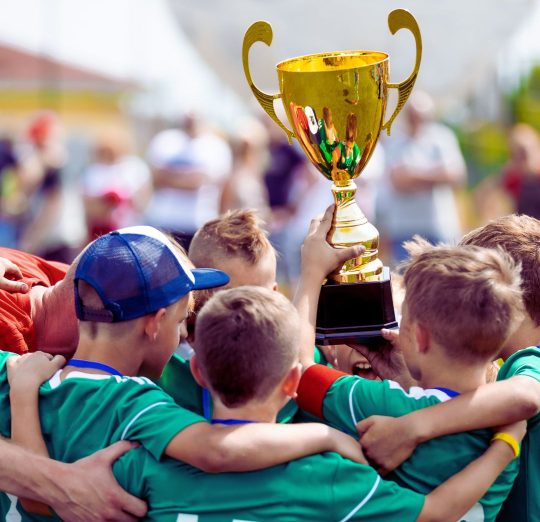
Our Services





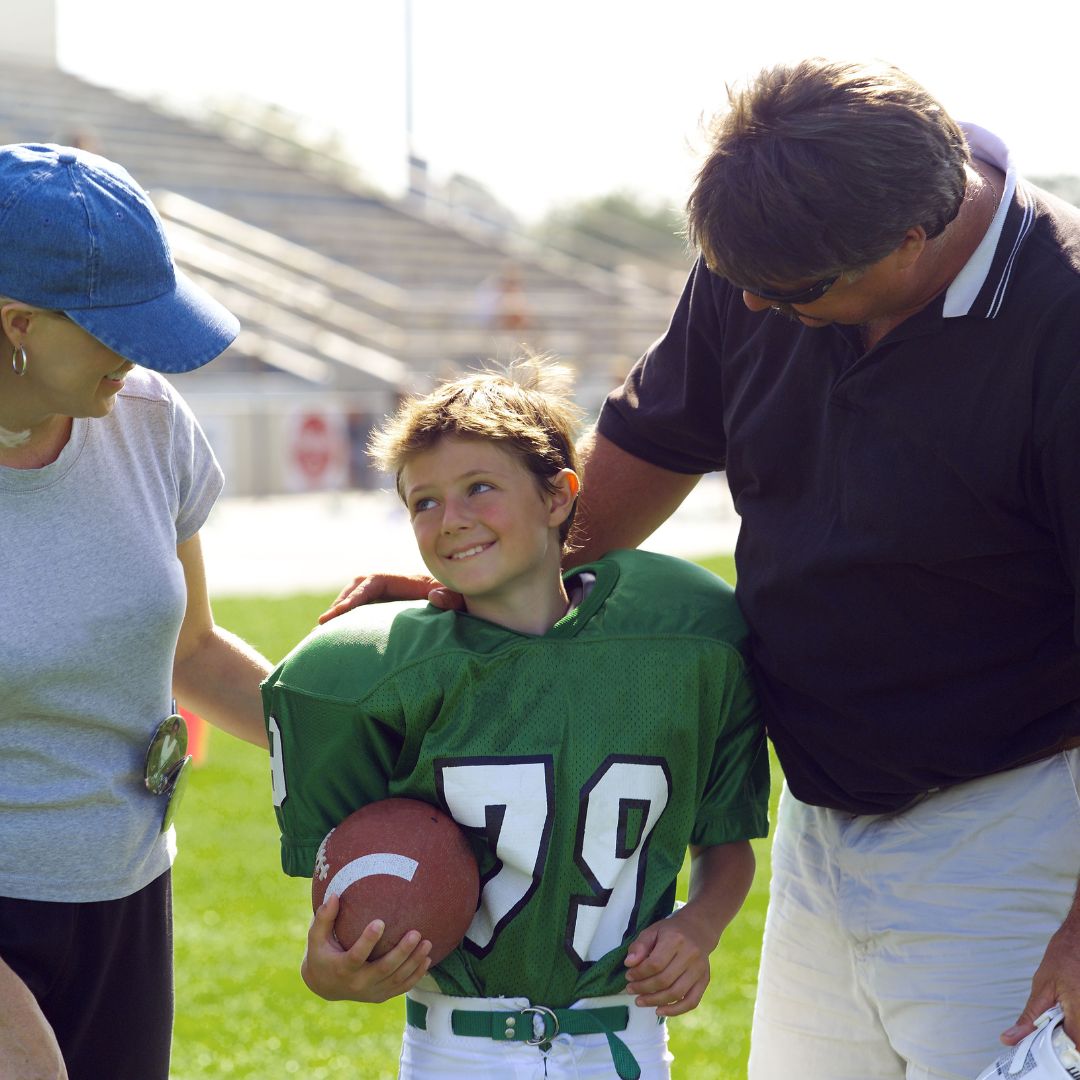
Meet the Team


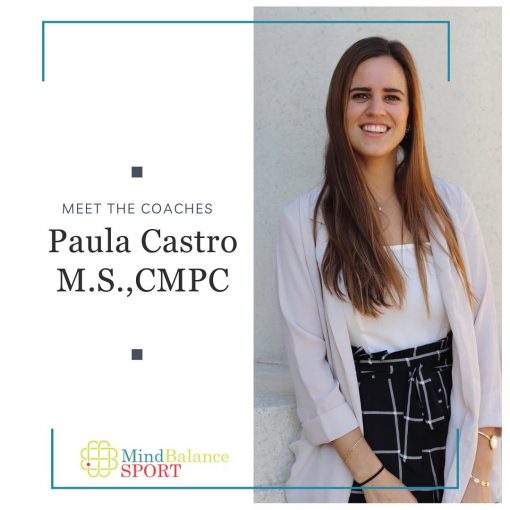
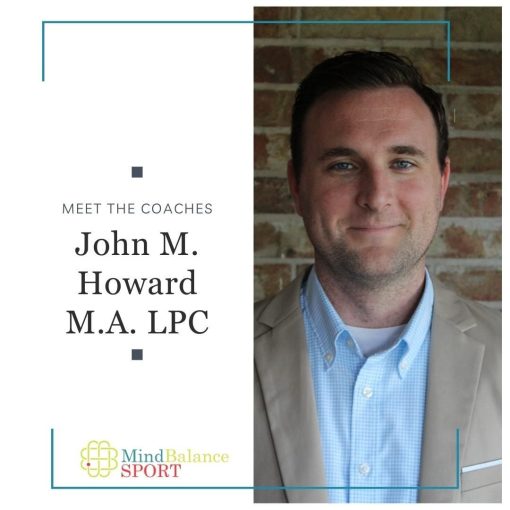

testimonials
Athlete Stories: Real Comebacks, Real Results

Emma, a high school basketball player, tore her ACL in the middle of her junior season. After surgery, she struggled with self-doubt and fear every time she stepped back on the court. Through sport psychology training, she learned visualization techniques and confidence-building exercises that helped her regain trust in her knee. When she returned for her senior season, she didn’t just play—she led her team to the playoffs.

Carlos, a soccer player, suffered a stress fracture in his foot and had to miss half of his season. Sitting out was mentally tougher than the pain itself. We worked on mental engagement strategies to keep him sharp—studying game film, setting small rehab goals, and using mental imagery to stay ready. When he was finally cleared, his confidence never wavered.

Jordan, a track athlete, strained her hamstring before a major competition. She feared losing speed and falling behind competitors. Instead of focusing on what she couldn’t do, we redirected her energy toward mental preparation, using self-talk and goal setting to keep her confidence strong. When she returned, she set a new personal record.
EXCELLENTTrustindex verifies that the original source of the review is Google. I decided to work with a mental performance coach because I struggled with self-doubt around my race-day performance. I wanted to understand where those doubts came from and learn how to show up with greater confidence, focus, and certainty. Working with Brady has been a game changer. Through our work together, I now approach races feeling more relaxed, confident, and focused. Some of the most valuable tools I've developed include creating an alter ego for race day, understanding the difference between my internal and external scoreboards, and developing my personal pain pledge. These strategies have helped me perform with a stronger mindset and enjoy the process more. If you're looking to show up to your event, game, or race with greater confidence, certainty, and mental resilience, I highly recommend working with a mental performance coach—and Brady has been an outstanding guide throughout that journey.Posted on GoogleTrustindex verifies that the original source of the review is Google. I found my time at MindbalanceSPORT SUPER helpful. I improved a lot with my confidence in my own play and working on taking steps to reset after mistakes and in between points. This helped me achieve a lot more than I thought I would be able to. We were also able to create some impactful morning routines with meditation and mindfulness. I would highly recommend!!Posted on GoogleTrustindex verifies that the original source of the review is Google. What a great experience! Recently we had Brady Dinnsen work with our volleyball team to discuss various aspects of mental toughness. Some of the topics that were super helpful were Self-talk, Confidence, Next point mentality and Finishing. Brady would be an asset to any team looking to improve in these areas.Posted on GoogleTrustindex verifies that the original source of the review is Google. This practice is doing amazing things for young athletes. I have had a top notch experience collaborating with providers at Mind Balance Sport. As a psychologist who does a lot of the clinical work with student athletes, the added component of mental performance coaching really catalyzes growth and well-being. I highly recommend.Posted on GoogleTrustindex verifies that the original source of the review is Google. I am a marathon runner with some big goals for myself. In my last three marathons, I’ve struggled with some serious mental blockers in the later miles, and I’ve disappointed myself. In just 3 sessions so far, Paula has shown me how much my mental game is slowing me down. She’s armed me with actionable strategies to tackle my mental demons so that I can achieve what I think I am capable of. More than that, she’s helped me recover my “why” so that I can find joy in running again. She has been life changing. I am a 9x marathoner, yet I didn’t realize how much our mindset can shape our running experience, and how critical it is to train our brains along with our bodies. She’s getting me ready to take on my second Boston marathon this spring, and I can’t wait!Posted on GoogleTrustindex verifies that the original source of the review is Google. My daughter (now 13) is a highly motivated and dedicated competitive gymnast who currently changed 16 hours a week. We hired Paula Castro a couple of years ago to work with her, as she was struggling with the stress/expectations of meets as well as some of the dynamics in the gym. Paula was a godsend; she helped make competitions more enjoyable/less stressful for her. She also provided useful tools and strategies that despite her young age, really resonated with her. My daughter attributes her gymnastics advancement in large part due to her work with Paula. We could not recommend her more highly and hope to work with her again in the future.Posted on GoogleTrustindex verifies that the original source of the review is Google. My daughter and I loved working with Paula! I was worried that my kid may be too young, but it was so helpful to really find what the sport means to my daughter. And now we have several tools we can use in different situations to help re-focus and strengthen her mental game. We will definitely be calling her back if and when we hit an inevitable rough patch!Posted on GoogleTrustindex verifies that the original source of the review is Google. It has been great to use their guidance, tools and support to help our pre-teen athlete with mental focus and emotional regulation during competition.
Recovery
While Everyone Has A Physical Ceiling, There Is No Mental Ceiling.
Exploring the Role of Sports Psychologists in Houston, TX
The 31-day Association for Applied Sport Psychology (AASP) Mental Wellness Challenge is an initiative designed to promote mental health and wellness among athletes. This program encourages participants, specifically athletes and their coaches, to engage in daily tasks that contribute to their mental well-being. The tasks are varied, with each one focusing on different aspects of mental wellness.
It is important to note that sports psychology plays a significant role in this program. The AASP believes that sports psychologists, who have a deep understanding of the psychological aspects of sport performance, can significantly contribute to their clients’ overall well-being.
- Week 1: Identifying and Understanding Emotions – An Introduction to Performance Psychology in Houston, TX
- Week 2: Enhancing Sport Performance Training in Houston, TX
- Week 3: Developing Positive Relationships with a Sports Mental Coach in Houston, TX
- Enhancing Performance Through Sports Psychiatry in Houston, TX
Week 1: Identifying and Understanding Emotions
The first week of the challenge focuses on helping athletes identify and understand their emotions. Sports psychologists encourage athletes to express their feelings without judgment while also learning how these emotions impact their performance.
- Daily mood tracking
- Emotional awareness practice
- Reflective journaling
Week 2: Improving Mindfulness and Relaxation
Week two aims at enhancing mindfulness and relaxation skills among athletes. These techniques can help them manage stress more effectively, improve focus, and increase overall performance.
- Guided mindfulness meditations
- Progressive muscle relaxation exercises
- Yoga sessions
Week 3: Developing Positive Relationships
During the third week, participants work on fostering positive relationships within their athletic circles. This involves working on communication skills, understanding teammates better, resolving conflicts effectively, and promoting mutual respect.
- Team-building exercises
- Communication workshops
- Conflict resolution sessions
Week 4: Enhancing Performance Through Mental Skills Training
The last week of the AASP Mental Wellness Challenge focuses on improving athletes’ performance by enhancing their mental skills. These skills can include goal setting, visualization, self-talk improvement, and resilience training.
- Goal setting workshops
- Visualization exercises
- Resilience training sessions
By participating in the 31-day AASP Mental Wellness Challenge, athletes can not only improve their performance but also enhance their overall well-being. It underlines the vital role that sports psychology plays in nurturing mentally healthy and high-performing athletes.
Finding a “Sports Psychologist Near Me” to Overcome Athletic Challenges
Sports psychology is a fascinating field that involves understanding the mental processes of athletes and applying this knowledge to improve their performance and overall well-being. However, sports psychologists often encounter numerous challenges in their everyday work. This segment aims to shed light on some of these challenges and how sports psychologists tackle them.
As most of their clients are professional athletes who often have demanding schedules, sports psychologists too must adeptly manage their time. They are often required to work outside usual business hours, including weekends or even during holidays. This can sometimes lead to a poor work-life balance.
Despite advancements in mental health awareness in recent years, there’s still significant stigma associated with seeking psychological help in the athletic world. Many athletes fear being perceived as weak if they seek such help. This hurdle often makes the job of sports psychologists challenging as they need not just to provide adequate support but also confront this prejudice.
Athletes underperforming due to anxiety or stress may find themselves under immense societal pressure. As a result, sessions with sports psychologists can become high-stress encounters where immediate solutions are expected – an unrealistic expectation that can create strain for the psychologist.
Sports psychologists often collaborate with coaches, nutritionists, and other specialists working with an athlete. Coordinating effectively within these multidisciplinary teams while ensuring the athlete’s welfare remains central demands excellent communication and teamwork skills from a sports psychologist.
Like any other psychologist, sports psychologists must maintain confidentiality while handling sensitive information about an athlete’s mental health status or personal life. However, it can be a challenge when working within an athletic organization due to pressure from different stakeholders interested in the athlete’s health and performance.
Sports involve both victories and defeats. A significant challenge for sports psychologists is helping athletes cope with losses, setbacks, or injuries. They must help athletes maintain a positive mindset and resilience in the face of adversity.
Despite these challenges, sports psychologists play a crucial role in enhancing athletic performance and promoting mental well-being. They employ several strategies to overcome these hurdles such as advocating for mental health in sports communities, cultivating robust networks within the industry, and continuously upgrading their knowledge on effective psychological techniques. With increased understanding and acceptance of their role over time, these daily challenges can be mitigated to a large extent.
Understanding Week 1 Tasks in the AASP Mental Wellness Challenge for Sports Psychologists
The Association for Applied Sport Psychology (AASP) has created a 31-day Mental Wellness Challenge that is specifically designed to enhance the mental health and wellbeing of sports psychologists. The first week of this challenge focuses on fostering self-awareness and understanding one’s mental health. Throughout this week, participants are invited to engage in a series of tasks and activities that promote introspection and exploration of personal emotional landscapes.
Day 1: Self-Assessment
The challenge commences with a self-assessment task. Participants are encouraged to reflect on their current mental state, identifying any areas of strength or opportunities for improvement. This task might involve creating a mind map or journaling about personal feelings and thoughts.
Day 2: Goal Setting
After the self-assessment, the next task involves setting goals for mental wellness. This includes identifying actions that will be taken throughout the month to improve identified areas. It is recommended that these goals are SMART (Specific, Measurable, Achievable, Relevant and Timely).
Day 3: Mindfulness Practice
An integral part of maintaining positive mental health is through mindfulness practice. On day three, participants are encouraged to spend at least 15 minutes engaging in a mindfulness activity such as meditation or deep breathing exercises.
Day 4: Physical Activity
Physical exercise has been proven to have significant benefits on mental health and overall wellbeing. Therefore, on day four, participants are tasked to engage in at least 30 minutes of physical activity.
Day 5: Social Connection
On day five, participants strive to build social connections by reaching out to a friend or family member for a chat or doing something kind for someone else.
Day 6: Healthy Eating
Nutrition plays an essential role in managing our mood and wellbeing. On this day, individuals make an effort to eat balanced meals filled with fruits, vegetables, and whole grains.
Day 7: Reflection
The final day of the first week is dedicated to reflection. Participants look back on the tasks undertaken during the week, reflect on their experiences and identify what they have learned about themselves.
The AASP Mental Wellness Challenge’s first week tasks are designed to promote self-awareness and build a strong foundation for enhancing mental health. By combining a range of activities, including self-assessment, goal setting, mindfulness practice, physical activity, social connection, healthy eating and reflection – participants begin their journey towards improved mental wellness. These tasks provide sports psychologists with practical strategies that they can integrate into their daily lives to manage stress levels effectively and maintain positive mental health.
Delving into Week 2 Activities of the AASP Mental Wellness Challenge: A Perspective from Sports Psychology
The second week of the Association for Applied Sports Psychology (AASP) Mental Wellness Challenge is a crucial phase that essentially focuses on enhancing emotional intelligence and building psychological resilience. This week’s activities are specifically designed to provide sports psychologists, coaches, and athletes with practical tools to manage stress, regulate emotions, and foster mental toughness.
To start with, one of the key activities for week two is Mindful Breathing. This practice is geared towards promoting calmness and awareness by encouraging participants to focus on their breath. It is based on mindfulness meditation techniques which have been proven beneficial in reducing anxiety and improving concentration. The process involves deep, controlled breathing while maintaining awareness of thoughts, feelings and sensations.
Another activity included in week two is Emotional Regulation. This activity seeks to enhance individuals’ ability to manage their emotions effectively. Participants are encouraged to identify their emotional triggers and develop strategies to respond rather than react impulsively. This could involve implementing cognitive restructuring techniques or simply using mindful distraction methods to shift focus from negative emotions.
Moreover, this week also introduces Mental Imagery Practice as a powerful tool for mental conditioning. Athletes are guided through visualizations of successful performance scenarios which can help build confidence, improve focus, and ultimately optimize performance outcomes.
Finally, engaging in Self-Talk Practice forms an integral part of the second-week activities as well. This activity emphasizes the impact of internal dialogue on thoughts and behaviors. Participants learn how using positive affirmations or motivational speeches can influence their mindset positively.
Activity | Purpose |
Mindful Breathing | Promotes calmness & improves concentration |
Emotional Regulation | Enhances ability to manage emotional responses |
Mental Imagery Practice | Boosts confidence & optimizes performance |
Self-Talk Practice | Influences mindset positively |
Progressing into Week 2 of the AASP Mental Wellness Challenge, we see a strong focus on understanding and managing emotions. From the perspective of sports psychology, these elements are vital in boosting mental resilience and enhancing performance under pressure. As participants delve into these activities, they are not only equipped with tools to handle the mental rigors of sport but also gain valuable skills that can be applied to many areas of life outside sport.
Participating in these activities provides a medium for sports psychologists to cultivate more effective strategies for their clients. By understanding and participating in the same exercises, they can better empathize with athletes and offer practical solutions based on their experiences. This makes week two an integral part of the AASP Mental Wellness Challenge from a sports psychology viewpoint.
Exploring the Scope of Sports Counselling in Houston, TX: Insights and Developments
Week 3 of the AASP (Association for Applied Sport Psychology) Mental Wellness Challenge signifies a significant journey into the mental well-being aspect of sports psychology. This challenge is designed to enhance mental health and resilience among athletes and other sports professionals. Understanding how to navigate through this crucial week can provide insights into the overall approach employed by sports psychologists when dealing with their clients.
Overview of Week 3 Activities
The third week’s activities in the AASP Mental Wellness Challenge focus on developing, maintaining, and strengthening social connections. The concept behind this is based on research that indicates strong social connections can significantly contribute to mental wellness and overall health.
- Encouraging athletes to connect with three different people each day
- Facilitating team building sessions and group activities
- Creating an environment that supports open communication and interpersonal relationships
Importance of Social Connections in Sports Psychology
In the realm of sports psychology, social connections play an integral role. They help boost morale, promote a sense of belonging, reduce stress, and contribute greatly to mental health. Positive social relationships often translate into better performance on the field. Athletes who feel socially connected are likely to have higher self-esteem and demonstrate better resilience under pressure.
Challenges Faced in Week 3
- Encouraging individual athletes who prefer solitude to participate in social activities
- Ensuring communication flows freely in a diverse team with different personalities
- Fostering genuine connections as opposed to forced interactions
These challenges need strategic handling by sports psychologists who must leverage their skills in communication, empathy, motivational techniques, and problem-solving.
Strategies Adopted by Sports Psychologists
- Building Trust: Ensuring confidentiality and creating a safe environment where athletes feel free to express their concerns.
- Group Activities: Organizing team-building exercises, social events, and other recreational activities that encourage interaction and bonding among team members.
- Promoting Open Communication: Encouraging athletes to express feelings, discuss issues, give and receive feedback.
- Individual Attention: Recognizing the unique personalities of each athlete, appreciating their contributions, and addressing their individual concerns.
- Conflict Resolution: Promptly addressing conflicts that arise during these interactive sessions to prevent any negative impact on the team’s dynamics or individual well-being.
Navigating through week 3 of the AASP Mental Wellness Challenge is a crucial part of a sports psychologist’s role in promoting mental wellness among athletes. It offers valuable insights into how psychologists work to cultivate an environment that supports mental well-being via fostering strong social connections among athletes.
An Analysis of Week 4 in the AASP Mental Wellness Challenge: The Impact on Sports Psychologists
In the last week of the Association for Applied Sport Psychology (AASP) Mental Wellness Challenge, participants are presented with an array of tasks designed to push their understanding and application of sports psychology to new heights. This final week not only reinforces what has been learned in the previous weeks but also introduces new concepts that help sports psychologists develop a comprehensive understanding of mental wellness.
The Week 4 Tasks
- Applying Visualization Techniques: In this task, sports psychologists are encouraged to use visualization techniques to help athletes actualize their goals.
- Implementing Mindfulness Practices: Participants are guided to implement mindfulness techniques into their daily routines. This can involve teaching athletes how to stay present and focused during high-pressure situations.
- Developing Positive Affirmations: Sports psychologists work on creating positive affirmations for themselves and their athletes. This task is aimed at promoting positivity and boosting self-esteem.
The Impact on Sports Psychologists
Enhanced Skills
The tasks from Week 4 require participants to apply all they’ve learned throughout the challenge. By doing so, it helps reinforce their skills while also introducing new concepts that broaden their understanding of mental wellness in athletics.
Improved Athlete Performance
The visualization techniques taught during this week can directly impact athlete performance. When athletes can visualize themselves achieving their goals, it gives them confidence and motivation, which can translate into improved performance on the field.
Increased Self-Awareness
The mindfulness practices introduced during this week not only benefit athletes but also the psychologists themselves. These practices promote self-awareness and presence, which can help psychologists better navigate their personal and professional lives.
Positive Environment
Developing positive affirmations contributes to a positive environment for both athletes and sports psychologists. It promotes a positive mindset that can be beneficial to mental wellness for everyone involved.
In essence, the last week of the AASP Mental Wellness Challenge provides sports psychologists with an extensive toolkit to promote mental wellness in their practice. It not only equips them with techniques to support their athletes but also strategies to maintain their mental well-being. Therefore, the impact of this challenge on sports psychologist is significant, fostering personal growth while enhancing professional expertise.