
Sports Psychologist in Denver, CO
We train the other half of the athlete
You want to work on your mental game, but how do you train your brain?
Mental training does not get much media attention, but at MindBalanceSPORT we know it is a game changer. The mental skills you will learn at MindBalanceSPORT are generalizable in the classroom, in sport and in life!
We know that mental skills can be successfully taught, even at an early age.
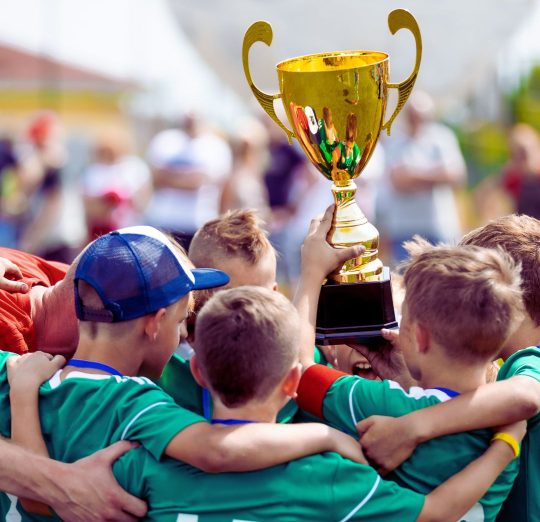
Our Services

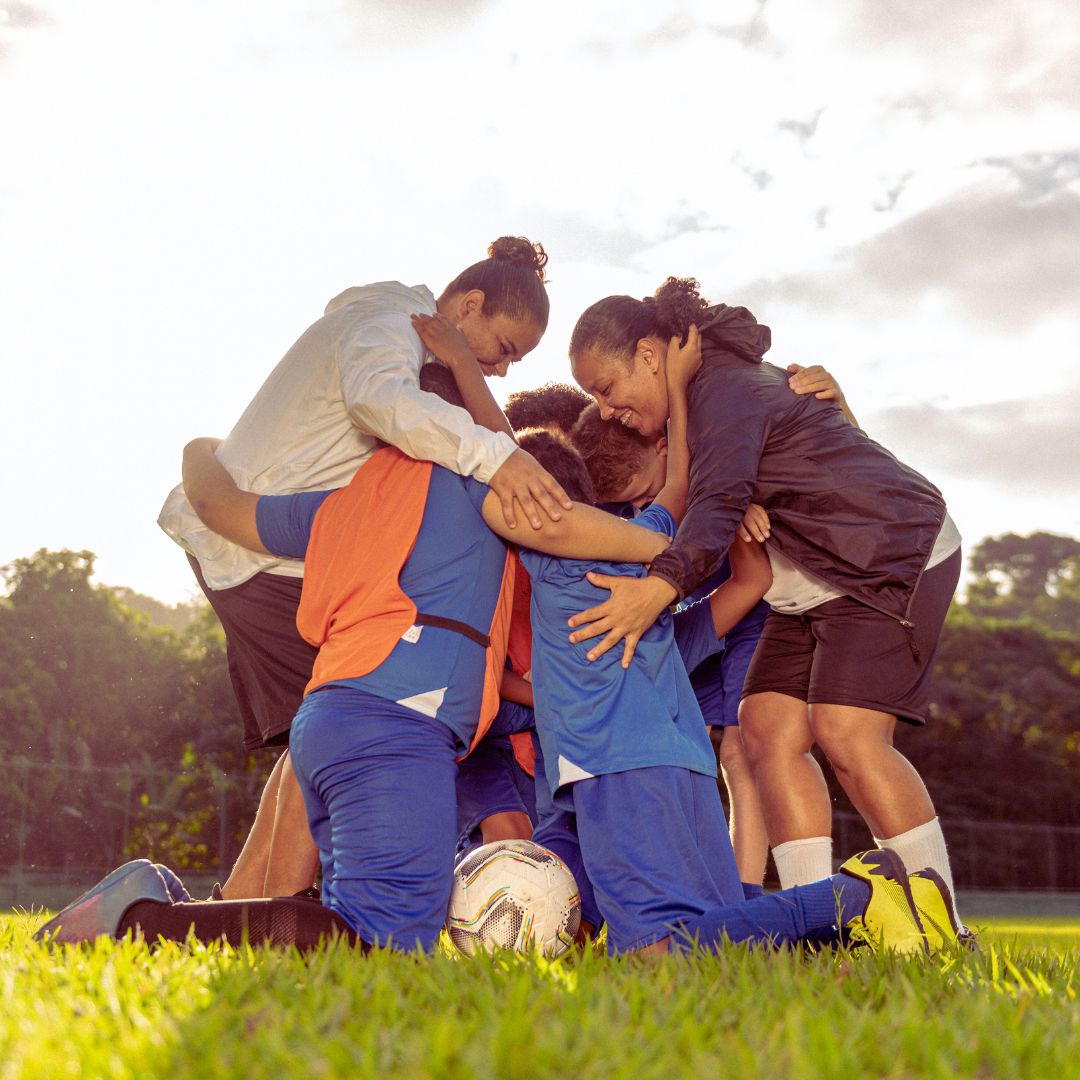



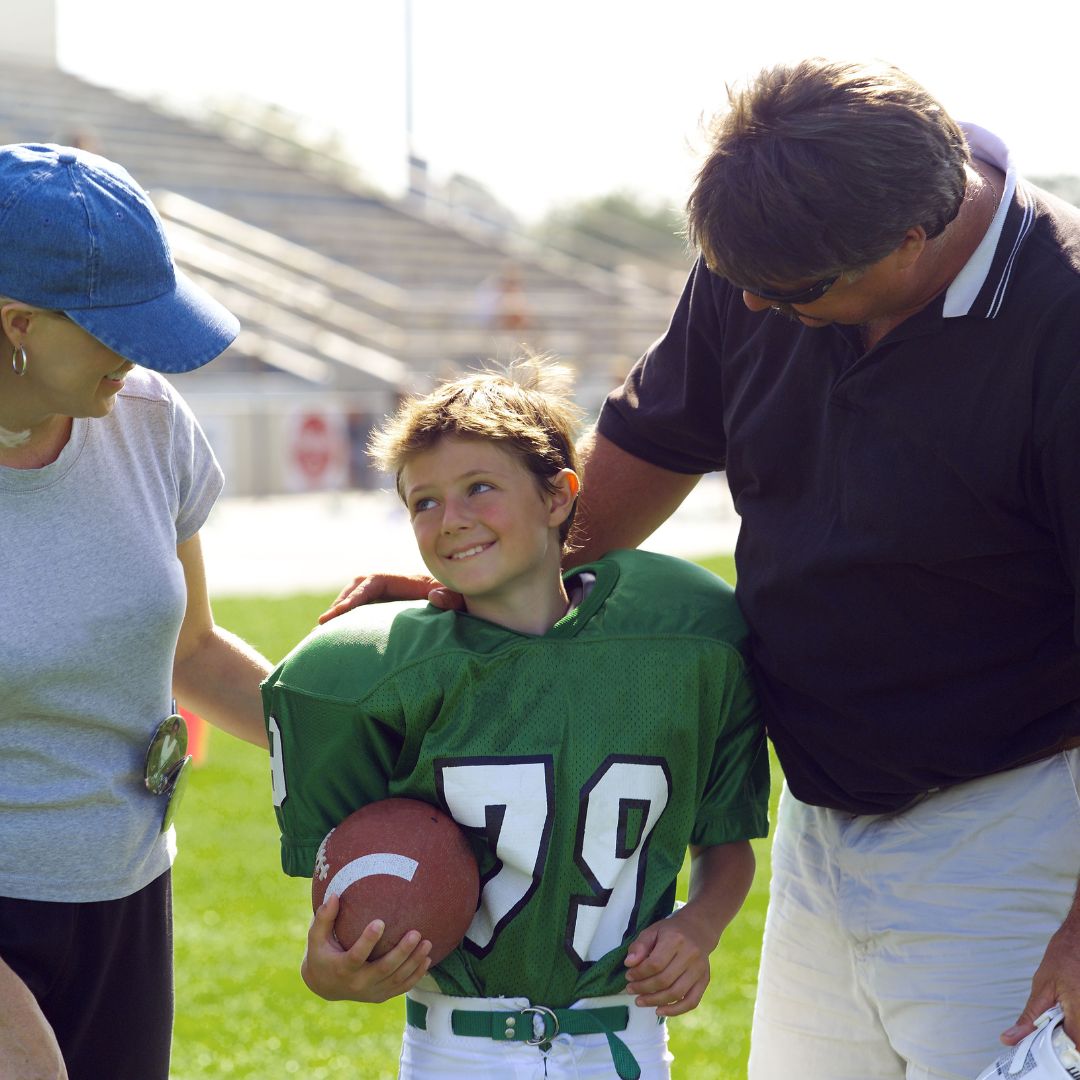
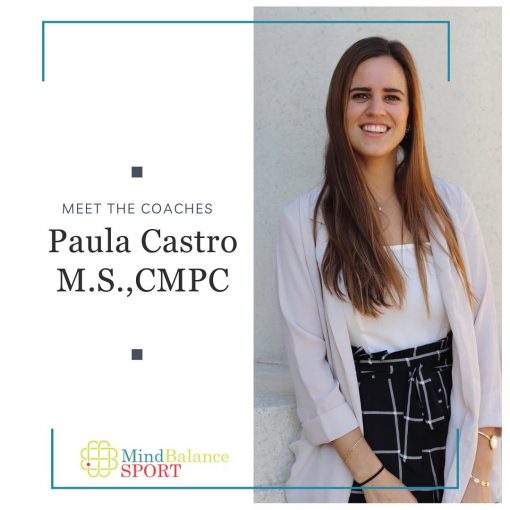
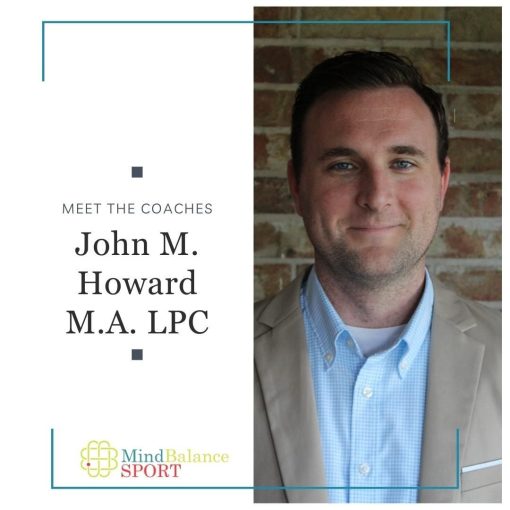
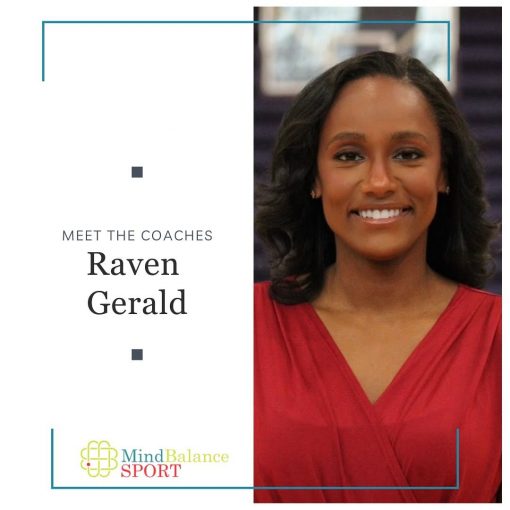
Meet the Team


testimonials
Athlete Stories: Real Comebacks, Real Results

Emma, a high school basketball player, tore her ACL in the middle of her junior season. After surgery, she struggled with self-doubt and fear every time she stepped back on the court. Through sport psychology training, she learned visualization techniques and confidence-building exercises that helped her regain trust in her knee. When she returned for her senior season, she didn’t just play—she led her team to the playoffs.

Carlos, a soccer player, suffered a stress fracture in his foot and had to miss half of his season. Sitting out was mentally tougher than the pain itself. We worked on mental engagement strategies to keep him sharp—studying game film, setting small rehab goals, and using mental imagery to stay ready. When he was finally cleared, his confidence never wavered.

Jordan, a track athlete, strained her hamstring before a major competition. She feared losing speed and falling behind competitors. Instead of focusing on what she couldn’t do, we redirected her energy toward mental preparation, using self-talk and goal setting to keep her confidence strong. When she returned, she set a new personal record.
EXCELLENT Based on 30 reviews
 Posted on Google
 hank rochetteI decided to work with a mental performance coach because I struggled with self-doubt around my race-day performance. I wanted to understand where those doubts came from and learn how to show up with greater confidence, focus, and certainty. Working with Brady has been a game changer. Through our work together, I now approach races feeling more relaxed, confident, and focused. Some of the most valuable tools I've developed include creating an alter ego for race day, understanding the difference between my internal and external scoreboards, and developing my personal pain pledge. These strategies have helped me perform with a stronger mindset and enjoy the process more. If you're looking to show up to your event, game, or race with greater confidence, certainty, and mental resilience, I highly recommend working with a mental performance coach—and Brady has been an outstanding guide throughout that journey.Posted on Google
 Ella ConnorI found my time at MindbalanceSPORT SUPER helpful. I improved a lot with my confidence in my own play and working on taking steps to reset after mistakes and in between points. This helped me achieve a lot more than I thought I would be able to. We were also able to create some impactful morning routines with meditation and mindfulness. I would highly recommend!!Posted on Google
 Nancy YasalonisWhat a great experience! Recently we had Brady Dinnsen work with our volleyball team to discuss various aspects of mental toughness. Some of the topics that were super helpful were Self-talk, Confidence, Next point mentality and Finishing. Brady would be an asset to any team looking to improve in these areas.Posted on Google
 Vicki AnagnostopoulosThis practice is doing amazing things for young athletes. I have had a top notch experience collaborating with providers at Mind Balance Sport. As a psychologist who does a lot of the clinical work with student athletes, the added component of mental performance coaching really catalyzes growth and well-being. I highly recommend.Posted on Google
 Kristin HumeI am a marathon runner with some big goals for myself. In my last three marathons, I’ve struggled with some serious mental blockers in the later miles, and I’ve disappointed myself. In just 3 sessions so far, Paula has shown me how much my mental game is slowing me down. She’s armed me with actionable strategies to tackle my mental demons so that I can achieve what I think I am capable of. More than that, she’s helped me recover my “why” so that I can find joy in running again. She has been life changing. I am a 9x marathoner, yet I didn’t realize how much our mindset can shape our running experience, and how critical it is to train our brains along with our bodies. She’s getting me ready to take on my second Boston marathon this spring, and I can’t wait!Posted on Google
 Jacey SprattMy daughter (now 13) is a highly motivated and dedicated competitive gymnast who currently changed 16 hours a week. We hired Paula Castro a couple of years ago to work with her, as she was struggling with the stress/expectations of meets as well as some of the dynamics in the gym. Paula was a godsend; she helped make competitions more enjoyable/less stressful for her. She also provided useful tools and strategies that despite her young age, really resonated with her. My daughter attributes her gymnastics advancement in large part due to her work with Paula. We could not recommend her more highly and hope to work with her again in the future.Posted on Google
 Lauren WoolbertMy daughter and I loved working with Paula! I was worried that my kid may be too young, but it was so helpful to really find what the sport means to my daughter. And now we have several tools we can use in different situations to help re-focus and strengthen her mental game. We will definitely be calling her back if and when we hit an inevitable rough patch!Posted on Google
 Josh NotesIt has been great to use their guidance, tools and support to help our pre-teen athlete with mental focus and emotional regulation during competition.
Recovery
While Everyone Has A Physical Ceiling, There Is No Mental Ceiling.
Exploring the Role of Sports Psychologists in Denver, CO
In the realm of sports psychology, gaming is seen as a new frontier with considerable implications for mental health. While the potential negative consequences often take center stage in public discourse, it’s equally crucial to shed light on the positive aspects of gaming on mental health.
Exploring Sport Performance Training in Denver, CO
Games, especially those that require strategic thinking and problem-solving skills, can significantly enhance cognitive abilities.
- Memory Enhancement: Many games demand a good memory to remember complex sequences or in-game details.
- Improved Problem-solving: Games often present players with intricate challenges that need creative solutions.
- Increased Perception and Coordination: Action-packed and fast-paced games improve hand-eye coordination and visual perception.
Denver, CO’s Premier Sports Mental Coach
Contrary to popular belief, gaming is not necessarily an isolating activity. Many games have robust online communities that provide opportunities for social interaction.
- Teamwork and Cooperation: Multiplayer games foster teamwork as players need to coordinate their actions towards common objectives.
- Communication Skills: In team-based games, effective communication can be the difference between victory and defeat, encouraging players to express themselves clearly.
Exploring Sports Psychiatry in Denver, CO
Gaming can also provide significant emotional benefits when used appropriately.
- Stress Relief: Engaging in an enjoyable activity like gaming after a stressful day can serve as an effective stress reliever.
- Confidence Boosts: The sense of accomplishment from completing challenging game levels or defeating formidable opponents can significantly boost self-esteem.
- A Safe Environment for Exploration: Virtual worlds offer a safe environment for individuals to explore different identities and roles without real-world consequences.
Finding a Sports Psychologist Near Me for Therapeutic Purposes
Increasingly clinicians are turning to video games as therapeutic tools. They are used both as an engaging platform for delivering conventional therapy and developing new forms of treatment altogether.
- Distraction from Discomfort: Patients undergoing painful treatments often use video games as a form of distraction.
- Mental Health Therapy: Certain games are designed to educate players about mental health and help them build resilience.
Overall, the impact of gaming on mental health is a complex issue that can’t be boiled down to simply good or bad. Recognizing the many ways in which gaming can contribute positively towards mental health is an essential step in understanding this multifaceted relationship. However, it’s also necessary to mitigate potential risks, which we will explore later in this article. Reliable guidance from professionals like sports psychologists is crucial in navigating this landscape for both individuals and society at large.
Strategies for Reducing Stress and Anxiety in Sports Psychology
Sports psychology plays a vital role in the performance and well-being of athletes. It involves various strategies to manage stress and anxiety that can hinder peak performance. Here, we’ll look at some of these strategies widely used in sports psychology.
Cognitive Behavioral Therapy (CBT)
One of the most effective strategies used by sports psychologists is Cognitive Behavioral Therapy (CBT). This discipline is focused on changing negative thoughts and beliefs that can lead to stress and anxiety. Through CBT, athletes learn to replace these negative patterns with positive and constructive thoughts, thereby enhancing their performance.
- Techniques: This includes techniques such as cognitive restructuring, guided discovery, and exposure therapy.
- Benefits: These techniques help athletes overcome self-doubt and apprehension about their capabilities.
Mindfulness Training
Mindfulness training is another popular strategy in sports psychology. It involves training an athlete’s mind to focus on the present moment without judgment or criticism.
- Techniques: This includes mindfulness meditation, breathing exercises, and yoga.
- Benefits: These techniques are known to reduce excessive worry about future events or past failures that lead to stress and anxiety.
Progressive Muscle Relaxation (PMR)
Athletes often hold tension in their muscles when they are anxious or stressed. Progressive Muscle Relaxation (PMR) teaches them how to release this tension.
- Techniques: Athletes systematically tense different muscle groups in their body before releasing the tension.
- Benefits: PMR allows athletes to gain a better understanding of what tension—as well as relaxation—feels like in different parts of their bodies.
Biofeedback Training
Biofeedback training provides athletes with real-time information about bodily processes like heart rate, blood pressure, muscle tension etc., allowing them to gain control over these involuntary responses.
- Techniques: Athletes use sensors attached to their bodies while a screen provides them with immediate feedback.
- Benefits: This strategy helps athletes to understand their body’s reaction to stress and anxiety, thus enabling them to manage these reactions better.
Imagery and Visualization
Another core strategy in sports psychology is the use of imagery and visualization. Athletes are encouraged to visualize their performance, which can enhance confidence, focus, and motivation.
- Techniques: Athletes visualize successful outcomes or mentally rehearse specific aspects of their performance.
- Benefits: This technique helps in managing stress and anxiety as athletes can mentally prepare for different scenarios that might occur during actual competition.
These strategies provide an insight into how sports psychology tackles stress and anxiety among athletes. The application of these techniques varies based on the individual needs of athletes. A sports psychologist plays a critical role in helping athletes understand their mental barriers and develop personalized strategies to overcome them.
Enhancing Mood and Cognitive Skills through Sports Counselling in Denver, CO
Sports psychology offers a variety of techniques and strategies for enhancing mood, cognitive skills, mental toughness, and overall performance in athletes. These methods are not only beneficial to a sportsperson’s professional growth but also improve their personal wellbeing. Below are some pivotal techniques used in sports psychology.
Mindfulness and Relaxation Techniques
Mindfulness is a psychological process that encourages individuals to focus on their feelings, thoughts, and sensations at the very moment without judgment. This technique fosters enhanced self-awareness for better performance in sports activities.
- Breathing exercises: Help in releasing tension, reducing stress levels, and enhancing concentration.
- Progressive muscle relaxation: Involves tensing and relaxing various muscle groups to induce calmness.
- Guided imagery: This involves visualizing oneself in a peaceful setting for relaxation.
Cognitive-Behavioral Interventions
Cognitive-behavioral interventions are an effective approach to enhance mood regulation amongst athletes. They deal with modifying negative thought patterns, emotions, and behaviors associated with performance anxiety.
- Cognitive restructuring: This technique helps athletes to identify irrational thoughts or cognitive distortions affecting their performance. By doing so, these can be replaced with more positive or adaptive thinking patterns.
- Problem-solving therapy: It supports athletes in finding practical solutions to dilemmas that may be causing distress.
Biofeedback
Biofeedback is a mind-body technique that teaches individuals how to gain control over physical processes that usually occur involuntarily. It is commonly used for managing stress responses in high-performance situations.
- Heart rate variability biofeedback (HRV): Helps athletes gain control over their heart’s functioning by monitoring the heart rate’s variability over time.
Self-Talk
Self-talk involves internal dialogue where individuals interpret feelings and perceptions, evaluate their experiences as well as give themselves instructions or reinforcement. It can significantly impact an athlete’s confidence, concentration, and overall performance.
- Positive self-talk: Encourages athletes to maintain a positive mindset regardless of the current situation.
- Instructional self-talk: Enables athletes to stay focused on the steps or strategies required to perform a specific task successfully.
Goal Setting
Goal setting is a powerful tool for motivation and enhancing performance. It provides clear direction and purpose, boosting the athlete’s commitment towards achieving specific targets.
- Short-term goals: These provide immediate targets that contribute to long-term objectives.
- Long-term goals: They represent the ultimate achievement or success that an athlete aims for.
These sports psychology techniques can be tailored according to individual needs and preferences. However, it’s essential for athletes to consult with certified sports psychologists who can guide them in implementing these techniques effectively.
Harnessing Creativity and Achievement in Athletes: A Psychological Perspective
The scope of sports psychology doesn’t merely revolve around stress management, boosting motivation, or enhancing the focus during a sports event. It also involves unleashing the athlete’s creativity and drawing out their ultimate potential to achieve success. Understanding the psychological perspective behind this can help trainers, coaches, and athletes themselves to optimize performance.
The Intersection of Psychology, Creativity, and Sports Achievement
Psychology plays an active role in fostering creativity in athletes. This process is paramount because creativity boosts problem-solving skills and strategic thinking—attributes integral for sporting success. The most successful athletes are often those who can think creatively under pressure and adapt quickly to changing circumstances.
- Encouraging Divergent Thinking: To foster creativity, sports psychologists advocate for the development of divergent thinking—creating multiple solutions for a single problem. In a game scenario, this could mean devising numerous strategies to tackle opponents.
- Promoting Self-Expression: Psychologists encourage athletes to express themselves freely on the field or court. This self-expression can lead to innovative playing styles that could give the athlete a competitive edge.
- Mindfulness Training: Being present in the moment is essential for enhancing creativity. Sports psychologists often use mindfulness training techniques to help athletes focus better without getting distracted by past failures or future anxieties.
Linking Creativity with Athletic Achievement
- Increased Flexibility: Creative players are more flexible in their tactics and often have backup plans if their initial strategy does not work out.
- Enhanced Confidence: Creativity encourages risk-taking which, if successful, increases an athlete’s confidence.
- Improved Resilience: Creative athletes tend to be more resilient as they can find alternate solutions when faced with challenges, making it easier for them to bounce back after failures.
Case Studies on the Power of Creative Psychology in Sports
Historically, the power of creative psychology has been evident in various sports scenarios. For instance, Muhammad Ali’s famous “rope-a-dope” strategy against George Foreman in their 1974 fight showed how a creative approach could turn the tide of a match. Similarly, basketball player Michael Jordan was known for his creative offensive moves that often left opponents baffled.
These instances highlight how creativity can be harnessed for achievement in sports. By integrating psychological principles into training, athletes can unlock their creativity and reach new heights in performance and accomplishment. It’s not only about physical training but also about nurturing the mind to think creatively and adaptively—qualities that form the benchmark of sporting success.
Exploring the Field of Performance Psychology in Denver, CO
Today’s digital age has made gaming more accessible than ever before. Gamers now span a diverse demographic, from young children to adults. While gaming has its positive aspects, such as improving hand-eye coordination and problem-solving skills, it’s important to consider its potential risks on mental health.
An Increase in Sedentary Behavior
One of the major concerns with excessive gaming is the increase in sedentary behaviour. Long hours in front of a screen often leads to physical inactivity. This sedentary lifestyle can increase the risk of obesity, cardiovascular disease, and diabetes.
Moreover, this can harm mental health as physical fitness is closely tied to psychological well-being. In fact, regular exercise has been shown to reduce symptoms of depression and anxiety. By reducing opportunities for physical activity, excessive gaming may indirectly contribute to poor mental health.
Social Isolation
Gaming can also lead to social isolation when it becomes the main leisure activity at the expense of face-to-face social interaction. Research suggests that social isolation and loneliness can increase the risk of depression and anxiety disorders.
Additionally, online gaming communities may not fulfill the same social needs as real-world interactions do. While they provide opportunities for cooperation and competition, they often lack the depth and emotional closeness associated with offline relationships.
Gaming Disorder
The World Health Organization has recognized “Gaming Disorder” as a diagnosable condition in its International Classification of Diseases (ICD-11). It’s characterized by impaired control over gaming and prioritizing gaming over other interests and daily activities despite negative consequences.
Symptoms include preoccupation with gaming, withdrawal symptoms when not playing (like irritability or restlessness), loss of interest in other hobbies or activities, unsuccessful attempts to control or quit gaming, and continued excessive use despite awareness of psychosocial problems.
Impact on Sleep
Excessive screen time, especially before bed, can interfere with sleep. The bright light emitted by screens can suppress melatonin, a hormone that regulates sleep. This can lead to problems like insomnia and disrupted sleep patterns, which are associated with a variety of mental health issues including depression and anxiety.
Cyberbullying and Online Harassment
Unfortunately, the online gaming community isn’t immune to negative behavior such as cyberbullying and harassment. These experiences can cause emotional distress and may contribute to the development of mental health disorders.
It’s important to note that not all gamers will experience these risks. Many people enjoy gaming without any negative impact on their mental health. However, awareness about potential issues can help in early detection and prevention of possible problems. Moreover, moderation is key when enjoying gaming as it is with any activity.
Professional Help for Gaming-related Mental Health Issues: A Sports Psychologist’s Role
The rise in the popularity of esports has brought about new challenges in mental health. Many professional gamers often face a variety of mental health problems, including anxiety, depression, and gaming disorder. In this context, sports psychologists play a critical role in assisting gamers to maintain their psychological well-being. This section will elaborate on the roles and functions of sports psychologists in addressing gaming-related mental health issues.
Providing Therapeutic Support
Sports psychologists are equipped with therapeutic skills to offer emotional support to professional gamers. They apply cognitive-behavioral therapies and other psychological techniques to help gamers manage stress, anxiety, and depression which may arise from competitive gaming.
Enhancing Performance
Apart from providing emotional support, sports psychologists also help optimize gamers’ performance by improving their focus, motivation, and resilience. They use various methods such as mental imagery, goal setting, and relaxation techniques which can help players remain calm and focused during challenging matches.
Developing Healthy Gaming Habits
Professional gaming often involves long hours of practice which sometimes lead to unhealthy lifestyles or addiction. Sports psychologists guide players towards establishing a balanced lifestyle, where they can successfully manage their gaming schedules without compromising other activities such as physical exercise and social interactions. This can significantly reduce the risk of gaming disorder among professional players.
Building Strong Team Dynamics
In team-based esports games like Dota 2 or League of Legends, mutual understanding and effective communication among team members are critical for success. Sports psychologists work on enhancing team dynamics by conducting team-building exercises or group therapy sessions where they promote trust, cooperation and effective communication.
Providing Career Counseling
Sports psychologists also provide career counseling for players who are facing uncertainties about their future prospects in gaming or who are planning retirement from professional gaming. They guide these individuals on aspects like transition management, academic pursuits or exploring alternate career options.
The duties of sports psychologists extend beyond just providing therapy; they play a transformative role by promoting positive mental health, enhancing performance, fostering team dynamics, and assisting in career progression. As professional gaming continues to evolve, the role of sports psychologists will undoubtedly become more integral. They are the bridge that helps gamers not just excel in their professional life but also maintain a balanced and healthy personal life.