
Sports Psychologist in Lorton, VA
You want to work on your mental game, but how do you train your brain?
At MindBalanceSPORT, We Train The Other Half Of The Athlete.
You want to work on your mental game, but how do you train your brain?
Mental training does not get much media attention, but at MindBalanceSPORT we know it is a game changer. The mental skills you will learn at MindBalanceSPORT are generalizable in the classroom, in sport and in life!
We know that mental skills can be successfully taught, even at an early age.
Our Services




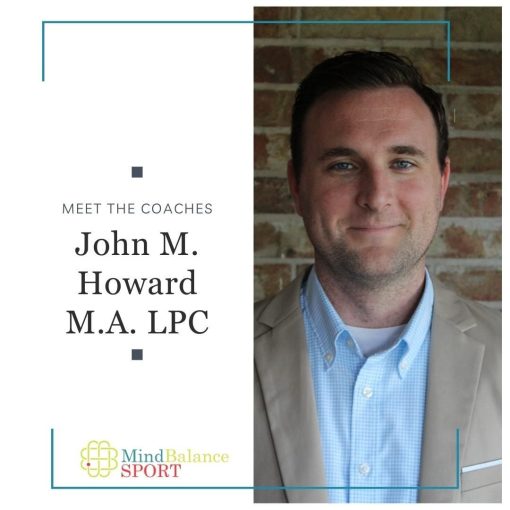
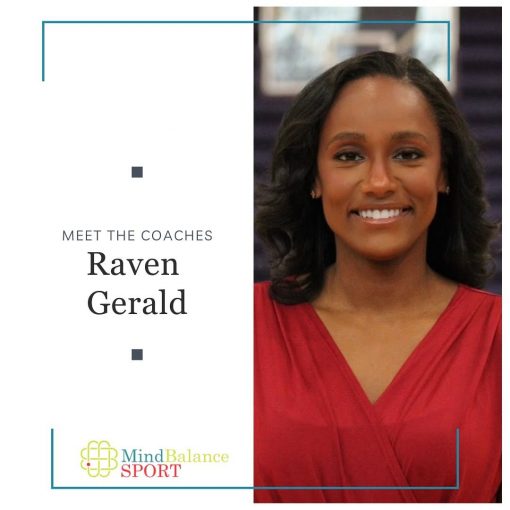
Meet the Team


testimonials
Athlete Stories: Real Comebacks, Real Results

Emma, a high school basketball player, tore her ACL in the middle of her junior season. After surgery, she struggled with self-doubt and fear every time she stepped back on the court. Through sport psychology training, she learned visualization techniques and confidence-building exercises that helped her regain trust in her knee. When she returned for her senior season, she didn’t just play—she led her team to the playoffs.

Carlos, a soccer player, suffered a stress fracture in his foot and had to miss half of his season. Sitting out was mentally tougher than the pain itself. We worked on mental engagement strategies to keep him sharp—studying game film, setting small rehab goals, and using mental imagery to stay ready. When he was finally cleared, his confidence never wavered.

Jordan, a track athlete, strained her hamstring before a major competition. She feared losing speed and falling behind competitors. Instead of focusing on what she couldn’t do, we redirected her energy toward mental preparation, using self-talk and goal setting to keep her confidence strong. When she returned, she set a new personal record.
EXCELLENTTrustindex verifies that the original source of the review is Google. I decided to work with a mental performance coach because I struggled with self-doubt around my race-day performance. I wanted to understand where those doubts came from and learn how to show up with greater confidence, focus, and certainty. Working with Brady has been a game changer. Through our work together, I now approach races feeling more relaxed, confident, and focused. Some of the most valuable tools I've developed include creating an alter ego for race day, understanding the difference between my internal and external scoreboards, and developing my personal pain pledge. These strategies have helped me perform with a stronger mindset and enjoy the process more. If you're looking to show up to your event, game, or race with greater confidence, certainty, and mental resilience, I highly recommend working with a mental performance coach—and Brady has been an outstanding guide throughout that journey.Posted on GoogleTrustindex verifies that the original source of the review is Google. I found my time at MindbalanceSPORT SUPER helpful. I improved a lot with my confidence in my own play and working on taking steps to reset after mistakes and in between points. This helped me achieve a lot more than I thought I would be able to. We were also able to create some impactful morning routines with meditation and mindfulness. I would highly recommend!!Posted on GoogleTrustindex verifies that the original source of the review is Google. What a great experience! Recently we had Brady Dinnsen work with our volleyball team to discuss various aspects of mental toughness. Some of the topics that were super helpful were Self-talk, Confidence, Next point mentality and Finishing. Brady would be an asset to any team looking to improve in these areas.Posted on GoogleTrustindex verifies that the original source of the review is Google. This practice is doing amazing things for young athletes. I have had a top notch experience collaborating with providers at Mind Balance Sport. As a psychologist who does a lot of the clinical work with student athletes, the added component of mental performance coaching really catalyzes growth and well-being. I highly recommend.Posted on GoogleTrustindex verifies that the original source of the review is Google. I am a marathon runner with some big goals for myself. In my last three marathons, I’ve struggled with some serious mental blockers in the later miles, and I’ve disappointed myself. In just 3 sessions so far, Paula has shown me how much my mental game is slowing me down. She’s armed me with actionable strategies to tackle my mental demons so that I can achieve what I think I am capable of. More than that, she’s helped me recover my “why” so that I can find joy in running again. She has been life changing. I am a 9x marathoner, yet I didn’t realize how much our mindset can shape our running experience, and how critical it is to train our brains along with our bodies. She’s getting me ready to take on my second Boston marathon this spring, and I can’t wait!Posted on GoogleTrustindex verifies that the original source of the review is Google. My daughter (now 13) is a highly motivated and dedicated competitive gymnast who currently changed 16 hours a week. We hired Paula Castro a couple of years ago to work with her, as she was struggling with the stress/expectations of meets as well as some of the dynamics in the gym. Paula was a godsend; she helped make competitions more enjoyable/less stressful for her. She also provided useful tools and strategies that despite her young age, really resonated with her. My daughter attributes her gymnastics advancement in large part due to her work with Paula. We could not recommend her more highly and hope to work with her again in the future.Posted on GoogleTrustindex verifies that the original source of the review is Google. My daughter and I loved working with Paula! I was worried that my kid may be too young, but it was so helpful to really find what the sport means to my daughter. And now we have several tools we can use in different situations to help re-focus and strengthen her mental game. We will definitely be calling her back if and when we hit an inevitable rough patch!Posted on GoogleTrustindex verifies that the original source of the review is Google. It has been great to use their guidance, tools and support to help our pre-teen athlete with mental focus and emotional regulation during competition.
Recovery
While Everyone Has A Physical Ceiling, There Is No Mental Ceiling.
How Sports Psychologists in Lorton, VA Help Athletes Enhance Performance
How Sports Psychologists in Lorton, VA Help Athletes Enhance Performance
Assessing Mental Strengths and Weaknesses
- Analyzing responses to high-pressure situations.
- Identifying patterns of thought that may negatively affect performance.
- Monitoring levels of motivation and focus during training or competition.
This assessment forms the foundation for tailored strategies that address the unique needs of each athlete.
Goal Setting for Success
- Short-term Goals: Focused on immediate improvements, such as refining a technique or building consistency in practice sessions.
- Long-term Goals: Centered on career aspirations like winning championships or achieving personal bests in competition.
By breaking down larger goals into manageable steps, athletes are more likely to stay motivated and track their progress effectively.
Enhancing Concentration and Focus
- Mindfulness Exercises: Teaching athletes to remain present and block out external distractions.
- Visualization: Encouraging mental rehearsal of successful performances before competitions.
- Breathing Techniques: Helping athletes manage stress and maintain calm under pressure.
Building Confidence Through Positive Psychology
- Positive self-talk practices to counteract negative thoughts.
- Reviewing past achievements to highlight strengths and abilities.
- Creating routines that build familiarity and comfort before competitions.
Stress Management Techniques
| Technique | Description | Benefits |
| Relaxation Training | Progressive muscle relaxation to reduce tension | Improves physical recovery post-event |
| Cognitive Restructuring | Replacing irrational fears with rational perspectives | Boosts confidence under pressure |
| Time Management | Learning how to balance training with other commitments | Reduces burnout |
Addressing Emotional Challenges
Athletes face unique emotional challenges due to the pressures of competition, injuries, or public scrutiny. Sports psychologists provide counseling services where necessary, helping athletes navigate these challenges while maintaining focus on their goals.
By combining psychological principles with an understanding of athletics, sports psychologists empower individuals to achieve higher levels of performance while maintaining emotional well-being throughout their careers. The tools they provide not only benefit short-term results but contribute greatly toward long-term success as well-rounded competitors.
How Sports Counselling in Lorton, VA Can Boost Focus and Confidence
1. Goal Setting for Mental Clarity
- Outcome Goals: Long-term achievements, such as winning a championship.
- Performance Goals: Measurable improvements in specific skills (e.g., reducing lap times).
- Process Goals: Short-term actions and strategies that facilitate performance (e.g., maintaining proper form during practice).
By breaking down larger aspirations into manageable steps, goal setting helps athletes concentrate on what they can control while fostering a sense of accomplishment.
2. Visualization and Mental Imagery
Visualization is a powerful tool used by sports psychologists to help athletes mentally rehearse their performances. This involves imagining successful execution of skills or scenarios in vivid detail.
Key benefits of visualization include: – Improved preparation for competition. – Increased familiarity with high-pressure situations. – Enhanced self-confidence by reinforcing positive outcomes.
For example, before a race, an athlete may visualize themselves crossing the finish line with perfect technique, which can reduce pre-competition jitters.
3. Cognitive Restructuring
Negative self-talk can undermine focus and confidence during training or competition. Sports psychologists use cognitive restructuring techniques to help athletes identify and challenge unhelpful thought patterns.
Steps involved in cognitive restructuring: 1. Recognize negative thoughts (e.g., “I can’t score under pressure”). 2. Replace them with affirming statements (e.g., “I’ve practiced this repeatedly; I am capable”). 3. Reinforce positive thinking through repetition over time.
This process helps athletes stay mentally resilient even when faced with setbacks.
4. Mindfulness Training
- Enhance concentration during crucial moments.
- Regulate emotions under stress.
- Develop greater awareness of personal thoughts and reactions.
For instance, a basketball player might utilize mindful breathing before stepping up for free throws to calm their nerves and center their attention on the task at hand.
5. Confidence-Building Exercises
Building confidence requires intentional effort over time, often through targeted exercises like: – Self-Affirmation: Writing down strengths or past successes. – Skill Mastery: Deliberate practice sessions focused on achieving small wins regularly.
Additionally, sports psychologists encourage keeping track of progress through journals or performance logs to reinforce belief in one’s abilities.
Techniques Overview in Performance Psychology in Lorton, VA
| Technique | Purpose | Example Application |
| Goal Setting | Clarify objectives; enhance focus | Breaking down training milestones |
| Visualization | Prepare mentally; build confidence | Mentally rehearsing penalty kicks |
| Cognitive Restructuring | Counter negative self-talk | Replacing “I’ll fail” with “I’ve prepared” |
| Mindfulness Training | Stay present; manage stress | Deep breathing before competition |
| Confidence Exercises | Strengthen belief in abilities | Tracking progress via journals |
By applying these techniques consistently, athletes can significantly improve their mental preparedness while addressing barriers that might inhibit high performance levels.
Top Strategies for Sport Performance Training in Lorton, VA to Boost Focus and Confidence
1. Goal Setting
Setting clear, measurable, and achievable goals is an essential part of improving focus and boosting confidence. Sports psychologists often guide athletes in creating structured goals that align with their long-term aspirations.
Key Aspects of Effective Goal Setting: – Specificity: Goals should be precise (e.g., “Improve 100m sprint time by 0.5 seconds”). – Measurability: Progress must be trackable through metrics or benchmarks. – Attainability: Goals should challenge the athlete without being unrealistic. – Relevance: Objectives must align with the athlete’s broader ambitions. – Time-Bound: Deadlines ensure focus and accountability.
2. Visualization and Imagery
Visualization involves mentally rehearsing a performance by imagining successful outcomes. Sports psychologists teach athletes how to use imagery to prepare for competition, sharpen skills, and reinforce confidence.
How Visualization Works: – Athletes imagine themselves executing perfect technique or strategy. – It activates neural pathways in ways similar to actual physical practice. – Repeated visualization builds mental familiarity, reducing anxiety on game day.
3. Positive Self-Talk
Negative self-talk can undermine an athlete’s confidence, while positive affirmations help reinforce self-belief. Sports psychologists train athletes to recognize negative patterns and replace them with constructive thoughts.
Examples of Positive Self-Talk: | Negative Statement | Positive Replacement | |——————————-|————————————-| | “I always mess up under pressure.” | “I perform well when I stay focused.” | | “I’m not skilled enough for this.” | “I’ve trained hard for this moment.” | | “Everyone else is better than me.” | “I bring unique strengths to my team.” |
4. Mindfulness Practices
Mindfulness techniques encourage athletes to stay present during both training sessions and competitions. This reduces distractions caused by overthinking past mistakes or worrying about future outcomes.
Common Mindfulness Techniques: – Breathing exercises for relaxation. – Body awareness scans to manage tension. – Focusing on sensory inputs like sound or touch during practice.
5. Cognitive Restructuring
This technique aims to shift unhelpful thought patterns into more productive ones. By identifying cognitive distortions such as catastrophizing or perfectionism, sports psychologists enable athletes to approach challenges with greater clarity.
Steps in Cognitive Restructuring: 1. Identify the negative thought (e.g., “If I fail today, my career is over”). 2. Challenge its validity (e.g., “Is one performance really career-defining?”). 3. Replace it with a balanced perspective (e.g., “Every setback teaches me something useful”).
6. Pre-performance Routines
Developing consistent routines before practice or competition can enhance focus while reducing nerves. These rituals provide a sense of familiarity that anchors the athlete mentally.
Examples of Pre-performance Routines: – Listening to motivational music. – Reviewing strategic notes specific to the opponent or game plan. – Performing stretches or warm-ups in a specific order.
Mental preparation through these techniques allows athletes not only to enhance their performance on the field but also fosters long-term confidence in their abilities across various challenges they might face during their careers.
How a Sports Mental Coach in Lorton, VA Enhances Team Dynamics and Collaboration
In team sports, success is often determined not only by individual performance but also by how well athletes work together as a cohesive unit. Sports psychologists play a vital role in fostering collaboration and enhancing team dynamics by addressing the psychological and interpersonal aspects of teamwork. Below, we explore various ways in which they contribute to improving team functionality.
Understanding Team Dynamics
- Communication styles: Are team members communicating effectively?
- Interpersonal relationships: How well do athletes trust and support each other?
- Conflict resolution mechanisms: Is the team resolving conflicts constructively or avoiding them?
- Leadership roles: Are leaders fostering an inclusive and collaborative environment?
By gaining insights into these elements, psychologists can tailor interventions to enhance overall harmony within the group.
Techniques for Strengthening Team Collaboration
- Facilitating activities designed to build trust, improve communication, and create shared goals.
- Examples include problem-solving tasks, trust-fall exercises, or role-playing scenarios that mimic real-game situations.
- Helping teams establish clear collective goals alongside individual objectives.
- Using SMART (Specific, Measurable, Achievable, Relevant, Time-bound) framework ensures alignment across all levels.
- Teaching techniques such as active listening and empathic communication.
- Guiding teams through structured conflict resolution frameworks.
- Clarifying each player’s responsibilities on the field or court.
- Reducing misunderstandings that can arise from overlapping roles or lack of accountability.
The Impact on Performance
| Benefit | Description |
| Enhanced Communication | Players understand each other’s intentions more intuitively during games. |
| Increased Trust | A foundation of mutual respect leads to risk-taking for strategic play. |
| Reduced Stress | Collaboration minimizes pressure on individual players to “carry” the team. |
| Improved Morale | A cohesive group fosters positivity, motivation, and resilience after setbacks. |
Psychologists help create an environment where individuals feel supported while working toward common objectives.
Case Study Insight
Many championship-winning teams attribute part of their success to psychological support systems established by sports psychologists. For instance: – In soccer leagues like the English Premier League (EPL), clubs often hire specialists who conduct workshops on teamwork before critical matches. – Professional basketball teams use “post-game debrief sessions” facilitated by mental health experts to constructively evaluate performance outcomes without assigning blame.
These practices help maintain both short-term focus and long-term cohesion among players.
By addressing both interpersonal challenges and collective strengths within a group setting, sports psychologists ensure that athletes not only perform at their best individually but also thrive as part of a unified team striving for shared success in any competitive arena.
Enhance Your Athletic Performance with Sports Psychiatry in Lorton, VA
Performance anxiety is a common challenge faced by athletes at all levels, from amateurs to professionals. Left unaddressed, it can significantly hinder an athlete’s ability to perform at their best. Sports psychologists play a critical role in identifying the causes of performance anxiety and equipping athletes with practical strategies to manage and overcome it.
Understanding Performance Anxiety in Athletes
- Fear of failure: Worrying about disappointing others or not meeting expectations.
- Pressure to perform: Internal or external demands for peak performance during high-stakes events.
- Negative self-talk: Persistent internal criticism that undermines confidence and focus.
- Overthinking: Fixating on technique or future outcomes rather than staying present in the moment.
These factors can lead to psychological symptoms such as heightened nervousness, self-doubt, or lack of focus, as well as physical manifestations like increased heart rate, muscle tension, or shallow breathing.
How Sports Psychologists Address Performance Anxiety
- Identifying and reframing negative thought patterns into positive affirmations.
- Developing realistic goals that focus on effort rather than outcomes.
- Guided breathing exercises to calm physical symptoms of anxiety.
- Progressive muscle relaxation (PMR) to release tension throughout the body.
- Encouraging athletes to mentally rehearse successful performances.
- Focusing on sensory details (sights, sounds, feelings) to create vivid mental images of success.
- Teaching athletes how to stay present and grounded during training and competition.
- Utilizing meditation exercises for clarity and reduced stress.
- Establishing consistent rituals that help instill confidence before competitions.
- Building familiarity through repetition, which reduces uncertainty.
Case Study: Managing Pre-Race Nerves in Competitive Runners
| Challenge | Intervention | Outcome |
| Excessive pre-race nerves | Breathing techniques | Reduced physical tension |
| Fear of underperforming | Visualization exercises | Clear focus on race goals |
| Negative self-talk | Positive affirmation tools | Increased self-confidence |
By addressing each challenge individually through targeted interventions, sports psychologists can help runners maintain composure and deliver stronger performances.
Long-Term Benefits of Working with a Sports Psychologist
- Improved ability to handle pressure during competitions.
- Greater confidence stemming from mastery over mental challenges.
- Enhanced focus and reduced distractions during critical moments.
- A more balanced approach toward setbacks and failures.
Performance anxiety doesn’t need to limit an athlete’s potential when they are equipped with effective tools developed under the guidance of an experienced sports psychologist.
How a Sports Psychologist Near Me Can Help Enhance Peak Athletic Performance
Mental training is a cornerstone of athletic success that is often overlooked in favor of physical preparation. Athletes who integrate mental training into their routines can unlock higher levels of performance, resilience, and consistency. Sports psychologists play a critical role in implementing mental training strategies to help athletes reach their full potential.
Why Mental Training Matters
- Improve concentration: Stay focused during critical moments in competition.
- Build confidence: Develop self-belief to perform under pressure.
- Enhance emotional control: Manage stress and anxiety effectively.
- Recover from setbacks: Build resilience to bounce back after failure or injury.
By targeting these areas, mental training enables athletes to perform consistently at their peak.
Core Components of Mental Training
1. Goal Setting
Setting clear and realistic goals gives athletes direction and motivation. Goals are typically divided into: – Outcome goals: Focus on results (e.g., winning a championship). – Performance goals: Center on individual achievements (e.g., improving personal bests). – Process goals: Emphasize specific actions (e.g., refining technique or endurance).
2. Visualization
Also known as mental imagery, visualization involves creating vivid images in the mind that simulate successful performance. Studies show this technique can enhance motor skills and improve confidence by mentally rehearsing success.
3. Mindfulness and Relaxation Techniques
Practices like mindfulness meditation help athletes stay present and manage stress. Relaxation techniques such as deep breathing exercises also promote calmness during high-pressure situations.
4. Positive Self-Talk
The language athletes use with themselves impacts their mindset and performance. Sports psychologists teach techniques to replace negative thought patterns with constructive self-talk.
5. Focus Enhancement
Concentration drills improve an athlete’s ability to block out distractions during competition or practice sessions.
Benefits Backed by Research
A variety of studies underline the importance of mental training: | Benefit | Supporting Evidence | |————————–|———————————————————————————————————| | Enhanced performance | Research shows that visualization can lead to measurable improvements in skill execution under pressure | | Reduced anxiety | Mindfulness-based interventions have been linked to lower levels of sports-related anxiety | | Improved recovery rates | Athletes practicing mental resilience recover more quickly from injuries |
Integrating Mental Training Into Routine
For optimal results, integrating mental training into an athlete’s daily routine is essential: 1. Dedicate time for specific exercises such as mindfulness meditation or visualization. 2. Regularly evaluate progress toward process, performance, and outcome goals. 3. Work collaboratively with coaches and psychologists for feedback on both physical and psychological progress.
By making mental preparation a priority alongside physical conditioning, athletes not only enhance their current abilities but also prepare themselves for long-term success in their sport.