
Sports Psychologist in Seattle, WA
We train the other half of the athlete
You want to work on your mental game, but how do you train your brain?
Mental training does not get much media attention, but at MindBalanceSPORT we know it is a game changer. The mental skills you will learn at MindBalanceSPORT are generalizable in the classroom, in sport and in life!
We know that mental skills can be successfully taught, even at an early age.
Our Services






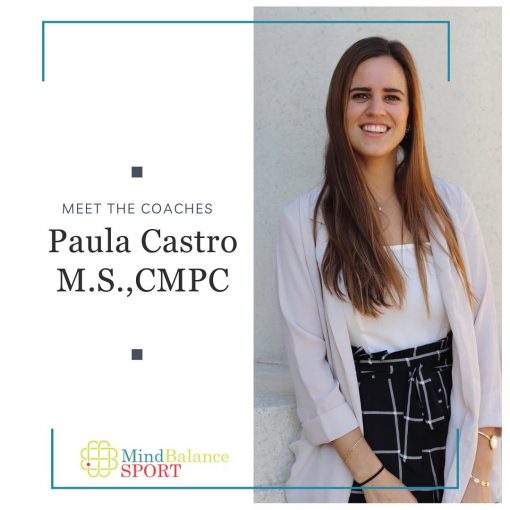
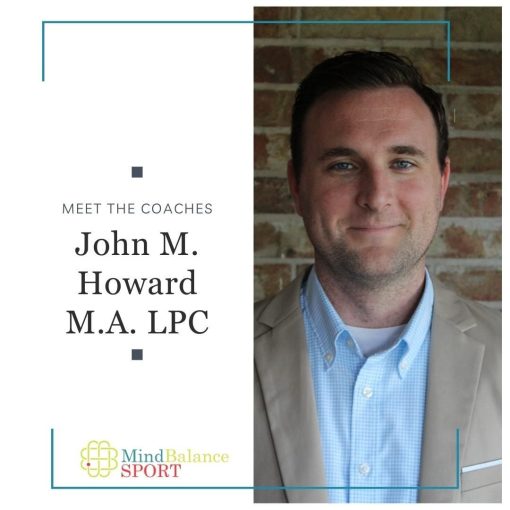
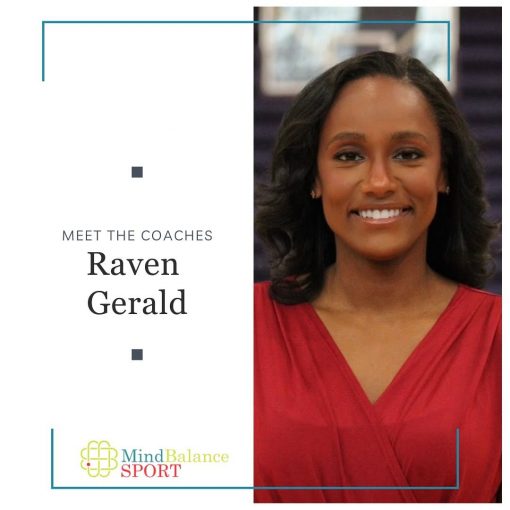
Meet the Team


testimonials
Athlete Stories: Real Comebacks, Real Results

Emma, a high school basketball player, tore her ACL in the middle of her junior season. After surgery, she struggled with self-doubt and fear every time she stepped back on the court. Through sport psychology training, she learned visualization techniques and confidence-building exercises that helped her regain trust in her knee. When she returned for her senior season, she didn’t just play—she led her team to the playoffs.

Carlos, a soccer player, suffered a stress fracture in his foot and had to miss half of his season. Sitting out was mentally tougher than the pain itself. We worked on mental engagement strategies to keep him sharp—studying game film, setting small rehab goals, and using mental imagery to stay ready. When he was finally cleared, his confidence never wavered.

Jordan, a track athlete, strained her hamstring before a major competition. She feared losing speed and falling behind competitors. Instead of focusing on what she couldn’t do, we redirected her energy toward mental preparation, using self-talk and goal setting to keep her confidence strong. When she returned, she set a new personal record.
EXCELLENT Based on 30 reviews
 Posted on Google
 hank rochetteI decided to work with a mental performance coach because I struggled with self-doubt around my race-day performance. I wanted to understand where those doubts came from and learn how to show up with greater confidence, focus, and certainty. Working with Brady has been a game changer. Through our work together, I now approach races feeling more relaxed, confident, and focused. Some of the most valuable tools I've developed include creating an alter ego for race day, understanding the difference between my internal and external scoreboards, and developing my personal pain pledge. These strategies have helped me perform with a stronger mindset and enjoy the process more. If you're looking to show up to your event, game, or race with greater confidence, certainty, and mental resilience, I highly recommend working with a mental performance coach—and Brady has been an outstanding guide throughout that journey.Posted on Google
 Ella ConnorI found my time at MindbalanceSPORT SUPER helpful. I improved a lot with my confidence in my own play and working on taking steps to reset after mistakes and in between points. This helped me achieve a lot more than I thought I would be able to. We were also able to create some impactful morning routines with meditation and mindfulness. I would highly recommend!!Posted on Google
 Nancy YasalonisWhat a great experience! Recently we had Brady Dinnsen work with our volleyball team to discuss various aspects of mental toughness. Some of the topics that were super helpful were Self-talk, Confidence, Next point mentality and Finishing. Brady would be an asset to any team looking to improve in these areas.Posted on Google
 Vicki AnagnostopoulosThis practice is doing amazing things for young athletes. I have had a top notch experience collaborating with providers at Mind Balance Sport. As a psychologist who does a lot of the clinical work with student athletes, the added component of mental performance coaching really catalyzes growth and well-being. I highly recommend.Posted on Google
 Kristin HumeI am a marathon runner with some big goals for myself. In my last three marathons, I’ve struggled with some serious mental blockers in the later miles, and I’ve disappointed myself. In just 3 sessions so far, Paula has shown me how much my mental game is slowing me down. She’s armed me with actionable strategies to tackle my mental demons so that I can achieve what I think I am capable of. More than that, she’s helped me recover my “why” so that I can find joy in running again. She has been life changing. I am a 9x marathoner, yet I didn’t realize how much our mindset can shape our running experience, and how critical it is to train our brains along with our bodies. She’s getting me ready to take on my second Boston marathon this spring, and I can’t wait!Posted on Google
 Jacey SprattMy daughter (now 13) is a highly motivated and dedicated competitive gymnast who currently changed 16 hours a week. We hired Paula Castro a couple of years ago to work with her, as she was struggling with the stress/expectations of meets as well as some of the dynamics in the gym. Paula was a godsend; she helped make competitions more enjoyable/less stressful for her. She also provided useful tools and strategies that despite her young age, really resonated with her. My daughter attributes her gymnastics advancement in large part due to her work with Paula. We could not recommend her more highly and hope to work with her again in the future.Posted on Google
 Lauren WoolbertMy daughter and I loved working with Paula! I was worried that my kid may be too young, but it was so helpful to really find what the sport means to my daughter. And now we have several tools we can use in different situations to help re-focus and strengthen her mental game. We will definitely be calling her back if and when we hit an inevitable rough patch!Posted on Google
 Josh NotesIt has been great to use their guidance, tools and support to help our pre-teen athlete with mental focus and emotional regulation during competition.
Recovery
While Everyone Has A Physical Ceiling, There Is No Mental Ceiling.
Discovering the Role of a Sports Mental Coach in Seattle, WA in Overcoming Performance Anxiety
Performance anxiety can be a crippling condition that hampers an athlete’s ability to perform at their peak. Fortunately, the field of sports psychology has recognized this issue and developed various strategies to help athletes overcome it. A mental skills coach plays a pivotal role in this journey.
Performance anxiety is characterized by excessive worry, unease, and even fear of failing or not meeting expectations in athletic competitions. It can lead to physical symptoms such as increased heart rate, rapid breathing, dry mouth or even tremors. These symptoms can significantly affect an athlete’s performance.
This is where the role of a mental skills coach becomes critical. The coach helps athletes understand and internalize the fact that nerves are normal before a big game or competition. They teach athletes methods to handle pressure effectively without letting it interfere with their performance.
Understanding the Role of Sports Psychologists in Seattle, WA
A mental skills coach works within the realm of sports psychology and aims at enhancing an athlete’s performance by strengthening their mental preparedness. They are well-versed with different psychological techniques and strategies that help athletes manage stress, enhance focus, build confidence, set goals effectively and develop resilience.
- Assessing the psychological needs of athletes
- Developing individualized plans for mental training
- Teaching techniques like visualization, mindfulness, and self-talk
- Providing guidance on goal setting and motivation
- Offering support during recovery from injuries
Exploring the World of Sports Counselling in Seattle, WA
- Visualization: This technique involves creating a mental image of performing tasks successfully.
- Mindfulness: This involves focusing on the present moment without judgment.
- Relaxation Techniques: These methods aim to reduce physical tension and mental stress.
- Goal Setting: This helps athletes define clear, achievable objectives.
Exploring Performance Psychology in Seattle, WA: Collaborating with a Mental Skills Coach
- Better stress management
- Enhanced focus and concentration
- Improved confidence
- Effective goal setting
- Faster recovery from injuries
In essence, a mental skills coach aids in building athletes’ psychological resilience, thereby helping them deliver optimal performance consistently.
Unlocking Your Potential: A Guide to Sport Performance Training in Seattle, WA
- Look for relevant qualifications and certifications.
- Consider their experience specifically in sports psychology.
- Assess their communication style and ensure they understand your needs.
- Seek recommendations from fellow athletes or coaches.
- Finally, trust your gut feeling.
Selecting the right professional can be transformative for an athlete’s career, fostering not just better performance but also offering tools for long-term mental wellness.
Unraveling the Complexity of Performance Anxiety in Sports
Performance anxiety, often known as “stage fright,” is a common problem faced by athletes at different levels. It is a multifaceted phenomenon that can impact an athlete’s performance drastically. This condition can be characterized by intense fear, nervousness, and apprehension before or during a sports event. Understanding its complex nature can aid in devising techniques to manage and overcome it.
The Many Facets of Performance Anxiety
Performance anxiety in sports is not just about being nervous before a big game. It encompasses both physiological and psychological elements that could affect an athlete’s performance.
Physiological Symptoms: These are physical symptoms such as increased heart rate, trembling hands or legs, dry mouth, and even nausea.
Psychological Symptoms: These include excessive worry or fear, negative self-talk, lack of concentration, and feelings of inadequacy.
Performance anxiety also extends to two crucial aspects – trait anxiety and state anxiety. Trait anxiety refers to the general level of stress experienced by an individual across various situations, while state anxiety relates to specific events or circumstances.
The Causes of Performance Anxiety
- High Expectations: Athletes often feel immense pressure from coaches, peers, family members, or even their own expectations.
- Fear of Failure: The fear of performing poorly and not living up to expectations can trigger performance anxiety.
- Lack of Preparation: Inadequate training or preparation may lead to feelings of insecurity during competitions.
- Past Experiences: Previous instances of poor performances can instill fear in athletes about future games.
The Impact on Athletic Performance
- Impaired Motor Control: High levels of stress might disrupt fine motor skills critical for accuracy-driven sports.
- Diminished Focus: Anxiety can divert an athlete’s attention from the game, affecting strategic choices and decision making.
- Reduced Stamina: The physical symptoms of anxiety, such as a rapid heart rate or shallow breathing, can drain an athlete’s energy swiftly.
Understanding the complexities of performance anxiety is the first step towards resolving it. A mental skills coach or sports psychologist plays a pivotal role in this process. They are equipped with tools and techniques to help athletes manage their stress levels, focus better on the game, and articulate their potential fully on the field.
Understanding the Role of Sports Psychiatry in Seattle, WA
A Mental Skills Coach, often referred to as a sports psychologist, plays a crucial role in the world of sports psychology. They are trained professionals who work with athletes and teams to maximize performance by improving mental and psychological aspects of sport. Their primary role is to improve athletes’ mental skills such as self-confidence, motivation, the ability to relax under great pressure, and the capacity to concentrate.
Understanding the Role of a Mental Skills Coach
Mental skills coaches are professionals trained in sports psychology and related fields. They have extensive knowledge about how psychological factors can impact an athlete’s performance. This includes understanding how participation in sports can promote mental health and emotional growth.
- Assessing the mental skills of athletes
- Designing effective strategies for performance enhancement
- Conducting one-on-one or group sessions
- Educating coaches, parents, and athletes on psychological strategies for improvement
- Assisting with goal setting and monitoring progress
The Intersection of Psychology and Performance
Mental skills coaches apply psychological principles to sport contexts. Athletes often face high levels of stress due to intense training schedules, high expectations, competition pressures, fear of failure, injuries among others. These factors can negatively impact their performance if not managed properly.
Through a variety of methods such as cognitive-behavioral therapy (CBT), mindfulness-based interventions and biofeedback techniques, mental skills coaches help athletes manage stressors effectively. They provide tools for stress management, relaxation techniques, focus enhancement strategies among others that enable athletes to perform at their peak under pressure.
Collaboration with Other Professionals
While they are a crucial part of an athlete’s support system, it’s important to note that mental skills coaches don’t work in isolation. They often collaborate with other professionals like athletic trainers or physical therapists to ensure a holistic approach to an athlete’s well-being and performance. They might also refer the athletes to other mental health professionals if they detect issues outside their competency, such as eating disorders or severe depression.
Mental Skills Coaches for All Levels of Sport
Not only do professional athletes use mental skills coaches, but so do collegiate and high school athletes, youth sports teams, coaches, and even officials. They also work with non-athletic performers such as musicians, dancers and business executives who perform under stress. Essentially, anyone looking to improve their performance in a high pressure environment can benefit from the expertise of a mental skills coach.
In summary, a Mental Skills Coach is an integral part of sports psychology that collaborates with athletes of all levels to enhance their mental skills resulting in improved performance. Their role is multi-faceted involving assessment, strategy design, education and collaboration which makes them a vital member of any athlete’s support team.
Looking For a “Sports Psychologist Near Me”: Transforming Mental Skills with Expert Techniques
Mental skills coaches, or sports psychologists, employ a variety of techniques aimed at enhancing athletic performance and overcoming obstacles like performance anxiety. While every athlete is unique and requires specific strategies to match their individual challenges and goals, there are several commonly used techniques that mental skills coaches often turn towards.
Goal Setting
First and foremost, mental skills coaches work with athletes to establish clear, achievable short-term and long-term goals. This process helps athletes focus their efforts and maintain motivation. The SMART model (Specific, Measurable, Achievable, Relevant, Time-bound) is often used to guide goal setting.
Mental Imagery
Also known as visualization, this technique involves creating a mental image of performing a task successfully. Mental imagery has been shown to enhance performance by improving concentration, building confidence, and reducing stress levels.
Self-Talk
Positive self-talk can significantly improve an athlete’s performance by boosting confidence levels. Mental skills coaches help athletes recognize negative self-talk patterns and replace them with positive affirmations.
Relaxation Techniques
Relaxation techniques can aid in managing stress levels before a competition or reducing anxiety during performance. Techniques may include progressive muscle relaxation (PMR), deep breathing exercises or mindfulness meditation.
Biofeedback
This technique involves using electronic sensors to monitor physiological functions like heart rate or muscle tension. By making athletes aware of these responses under stress or during performance, they can learn to control them better.
Cognitive Restructuring
This is a cognitive-behavioral technique that helps athletes identify negative thoughts or beliefs that might be hampering their performance. Once identified, these thoughts are challenged and replaced with more positive ones.
It is important to note that the selection of techniques largely depends on the athlete’s needs. A mental skill coach tailors these strategies based on the individual’s sport type, personal characteristics, challenges faced during performances, and their specific goals. The collaboration and timing also play a crucial role in the success of these techniques. Whether it is a single session to overcome pre-competition jitters or a long-term plan to improve overall performance, mental skills coaches adapt their arsenal based on the unique needs and objectives of each athlete.
Further, while these techniques are powerful tools for enhancing performance, they are not a complete solution. They should be integrated with physical training and nutrition plans for the best results.
Unveiling the Perks: The Benefits of Collaborating with a Mental Skills Coach
When it comes to enhancing sports performance, physical talent and training are often the focal points. However, an athlete’s mental condition plays an equally pivotal role. This is where a mental skills coach comes into play. Collaborating with a mental skills coach in sports psychology can offer several benefits that can significantly heighten an athlete’s performance and overall wellbeing.
Sharpening Mental Skills
One of the most prominent advantages of working with a mental skills coach is the enhancement of various mental abilities associated with sports performance. These can include concentration, self-confidence, motivation, and emotional control.
- Concentration: A mental skills coach can help athletes enhance their focus and concentration during their games or performances.
- Self-confidence: Boosting an athlete’s confidence is another primary goal of a mental skills coach. They employ different strategies to help athletes believe in their capabilities and perform without fear of failure.
- Motivation: Coaches can help foster intrinsic motivation within athletes that propels them to persist in their sporting pursuits.
- Emotional Control: An important aspect of sports performance is being able to manage emotions effectively – whether it’s dealing with anxiety before a match or overcoming disappointment after losing.
Developing Mental Toughness
Mental toughness is another critical attribute for athletes that can be developed by collaborating with a mental skills coach. Athletes who are mentally tough exhibit resilience when they face challenges or setbacks. They remain committed toward achieving their goals despite difficulties, adapt quickly to change, and handle pressure effectively without getting overwhelmed.
Encouraging Positive Attitudes
Mental skills coaches work extensively on shifting an athlete’s mindset towards positivity and success. They promote positive attitudes towards practice, competition, winning, losing, and personal improvement.
Enhancing Performance Consistency
An often overlooked but significant benefit offered by these professionals is assisting athletes in maintaining consistent performances. By teaching athletes strategies that help them stay focused, resilient, and composed, coaches can help improve their consistency.
Promoting Psychological Wellbeing
While enhancing sports performance is definitely a focus point, these coaches also care about an athlete’s overall mental health. They foster self-awareness among athletes about their emotional wellbeing and encourage them to seek help when needed. This holistic approach ensures that athletes can perform at their best without compromising their mental health.
Personalized Approach
A good mental skills coach recognizes that every athlete is unique and tailors the training to suit each individual’s needs. This personalized approach ensures the most effective outcomes.
Working with a mental skills coach in sports psychology isn’t just about improving athletic performance. It’s also about nurturing an environment where athletes feel understood, supported, and motivated to push beyond their perceived limitations.
Finding Your Match: Tips on How to Find the Right Mental Skills Coach in Sports Psychology
Finding the right mental skills coach in sports psychology can be a daunting task, especially given the plethora of professionals available. However, selecting the best coach who meets your specific needs is crucial for realizing your potential and achieving your goals. Here are some essential tips to consider when looking for the perfect match.
Identify Your Needs
Before starting your search, it’s paramount to identify what you need help with. Do you struggle with performance anxiety? Do your concentration levels dip during critical moments of the game? Are you wrestling with maintaining motivation? Once you pinpoint what your needs are, you can then look for a coach who specializes in those specific areas.
Research Their Credentials
Ensure that the coach has proper credentials in sports psychology. They should have formal education and training within this field. For instance, they should hold a degree in psychology or a related field and have undergone comprehensive training or certification programs specializing in sports psychology.
Consider Their Experience
Look for a mental skills coach who has considerable experience coaching athletes at your level. If you’re an elite athlete, it would be ideal if they’ve worked with other top-level athletes before. Similarly, if you’re just starting out in your sport, it might be more beneficial to find someone accustomed to working with beginners.
Check Their Approach
Every mental skills coach has their own approach towards coaching. Some may focus more on cognitive-behavioral techniques while others might lean towards mindfulness-based strategies. The key is to find a coach whose approach resonates with you and aligns well with your personal beliefs and preferences.
Evaluate Their Communication Skills
Your relationship with your mental skills coach will largely hinge on how well you two can communicate. Assess whether they listen attentively, understand your concerns, and provide clear feedback or advice. A good coach should make you feel understood and comfortable speaking openly about your challenges.
Ask For References
Don’t hesitate to ask prospective coaches for references. Talking to former or current clients can provide valuable insights into a coach’s effectiveness and working style.
Trust Your Gut
Finally, trust your instincts. You should feel comfortable and have a good rapport with your coach. Remember, this is someone you’ll be sharing your worries, fears, and hopes with, so it’s important that you feel that you can trust them.
Finding the right mental skills coach in sports psychology is an investment in yourself. Take the time to consider each of these tips carefully, doing so will ensure that you find a coach who can help you improve your mental game and reach new heights in your sporting career.