
Sports Psychologist in Falls Church, VA
You want to work on your mental game, but how do you train your brain?
At MindBalanceSPORT, We Train The Other Half Of The Athlete.
You want to work on your mental game, but how do you train your brain?
Mental training does not get much media attention, but at MindBalanceSPORT we know it is a game changer. The mental skills you will learn at MindBalanceSPORT are generalizable in the classroom, in sport and in life!
We know that mental skills can be successfully taught, even at an early age.
Our Services



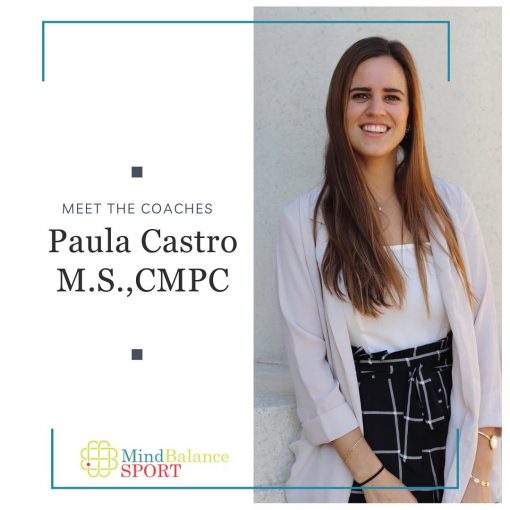
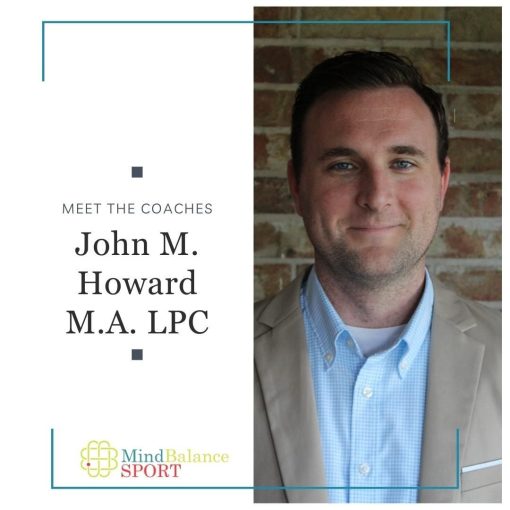
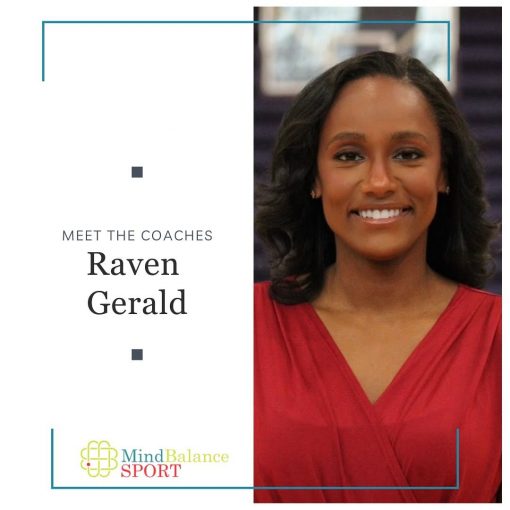
Meet the Team


testimonials
Athlete Stories: Real Comebacks, Real Results

Emma, a high school basketball player, tore her ACL in the middle of her junior season. After surgery, she struggled with self-doubt and fear every time she stepped back on the court. Through sport psychology training, she learned visualization techniques and confidence-building exercises that helped her regain trust in her knee. When she returned for her senior season, she didn’t just play—she led her team to the playoffs.

Carlos, a soccer player, suffered a stress fracture in his foot and had to miss half of his season. Sitting out was mentally tougher than the pain itself. We worked on mental engagement strategies to keep him sharp—studying game film, setting small rehab goals, and using mental imagery to stay ready. When he was finally cleared, his confidence never wavered.

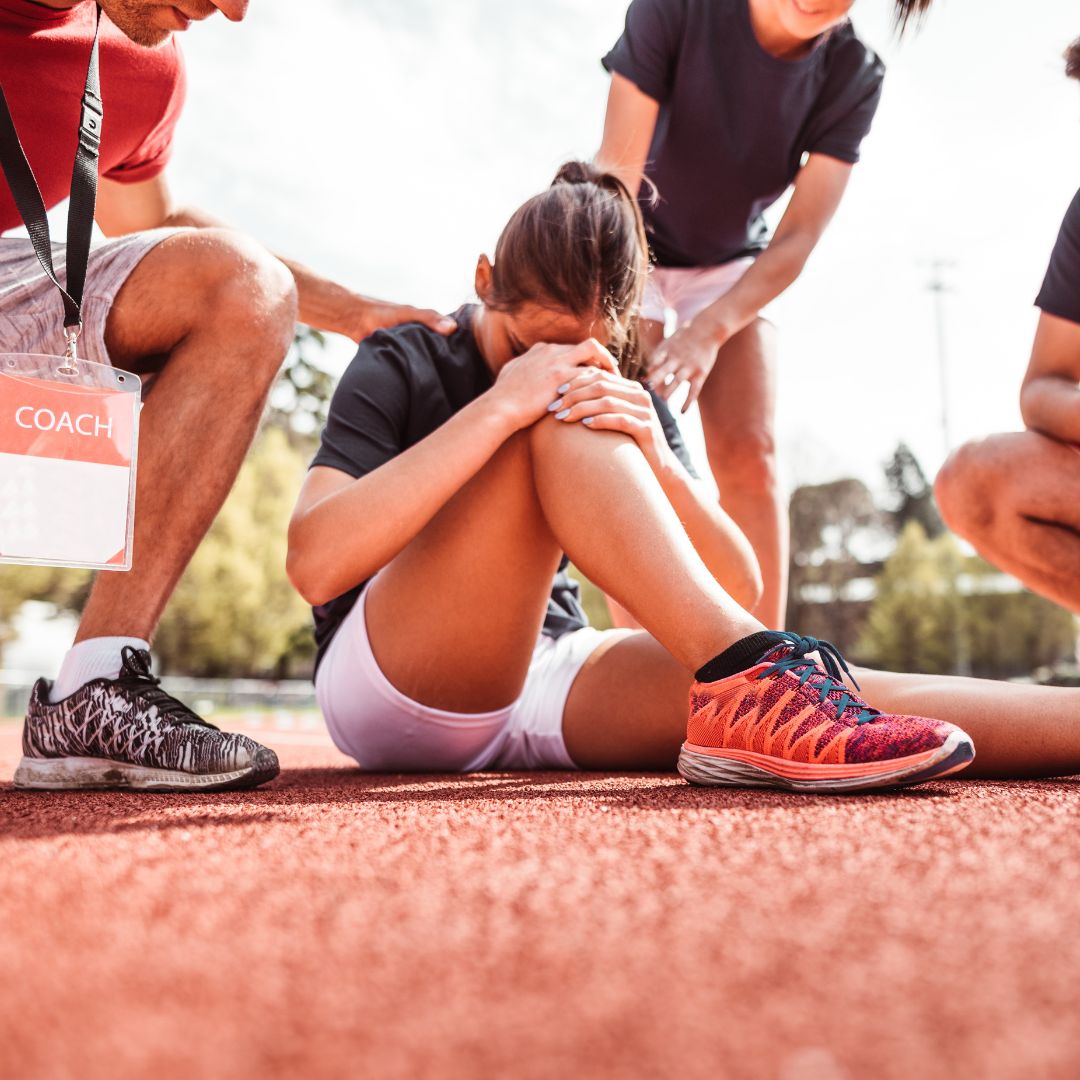
Jordan, a track athlete, strained her hamstring before a major competition. She feared losing speed and falling behind competitors. Instead of focusing on what she couldn’t do, we redirected her energy toward mental preparation, using self-talk and goal setting to keep her confidence strong. When she returned, she set a new personal record.
EXCELLENTTrustindex verifies that the original source of the review is Google. I decided to work with a mental performance coach because I struggled with self-doubt around my race-day performance. I wanted to understand where those doubts came from and learn how to show up with greater confidence, focus, and certainty. Working with Brady has been a game changer. Through our work together, I now approach races feeling more relaxed, confident, and focused. Some of the most valuable tools I've developed include creating an alter ego for race day, understanding the difference between my internal and external scoreboards, and developing my personal pain pledge. These strategies have helped me perform with a stronger mindset and enjoy the process more. If you're looking to show up to your event, game, or race with greater confidence, certainty, and mental resilience, I highly recommend working with a mental performance coach—and Brady has been an outstanding guide throughout that journey.Posted on GoogleTrustindex verifies that the original source of the review is Google. I found my time at MindbalanceSPORT SUPER helpful. I improved a lot with my confidence in my own play and working on taking steps to reset after mistakes and in between points. This helped me achieve a lot more than I thought I would be able to. We were also able to create some impactful morning routines with meditation and mindfulness. I would highly recommend!!Posted on GoogleTrustindex verifies that the original source of the review is Google. What a great experience! Recently we had Brady Dinnsen work with our volleyball team to discuss various aspects of mental toughness. Some of the topics that were super helpful were Self-talk, Confidence, Next point mentality and Finishing. Brady would be an asset to any team looking to improve in these areas.Posted on GoogleTrustindex verifies that the original source of the review is Google. This practice is doing amazing things for young athletes. I have had a top notch experience collaborating with providers at Mind Balance Sport. As a psychologist who does a lot of the clinical work with student athletes, the added component of mental performance coaching really catalyzes growth and well-being. I highly recommend.Posted on GoogleTrustindex verifies that the original source of the review is Google. I am a marathon runner with some big goals for myself. In my last three marathons, I’ve struggled with some serious mental blockers in the later miles, and I’ve disappointed myself. In just 3 sessions so far, Paula has shown me how much my mental game is slowing me down. She’s armed me with actionable strategies to tackle my mental demons so that I can achieve what I think I am capable of. More than that, she’s helped me recover my “why” so that I can find joy in running again. She has been life changing. I am a 9x marathoner, yet I didn’t realize how much our mindset can shape our running experience, and how critical it is to train our brains along with our bodies. She’s getting me ready to take on my second Boston marathon this spring, and I can’t wait!Posted on GoogleTrustindex verifies that the original source of the review is Google. My daughter (now 13) is a highly motivated and dedicated competitive gymnast who currently changed 16 hours a week. We hired Paula Castro a couple of years ago to work with her, as she was struggling with the stress/expectations of meets as well as some of the dynamics in the gym. Paula was a godsend; she helped make competitions more enjoyable/less stressful for her. She also provided useful tools and strategies that despite her young age, really resonated with her. My daughter attributes her gymnastics advancement in large part due to her work with Paula. We could not recommend her more highly and hope to work with her again in the future.Posted on GoogleTrustindex verifies that the original source of the review is Google. My daughter and I loved working with Paula! I was worried that my kid may be too young, but it was so helpful to really find what the sport means to my daughter. And now we have several tools we can use in different situations to help re-focus and strengthen her mental game. We will definitely be calling her back if and when we hit an inevitable rough patch!Posted on GoogleTrustindex verifies that the original source of the review is Google. It has been great to use their guidance, tools and support to help our pre-teen athlete with mental focus and emotional regulation during competition.
Recovery
While Everyone Has A Physical Ceiling, There Is No Mental Ceiling.
How Sports Psychologists in Falls Church, VA Help Parents and Coaches Develop Passionate Athletes
How Sports Psychologists in Falls Church, VA Help Parents and Coaches Develop Passionate Athletes
Passion plays a pivotal role in the development and success of athletes. It drives motivation, sustains perseverance, and fosters long-term engagement in sports. However, cultivating this passion is not solely the responsibility of the athlete; parents and coaches hold an equally critical role in shaping an athlete’s relationship with their sport.
The Importance of Passion in Athletic Development
- Increased Motivation: Athletes with a genuine love for their sport are more likely to remain dedicated during challenging times.
- Improved Focus: Passion allows athletes to stay engaged during training sessions, improving skill acquisition.
- Resilience: A deep connection to one’s sport helps athletes bounce back from failure or setbacks.
- Sustained Engagement: Athletes who are passionate about their field are less likely to experience burnout or disinterest over time.
The Dual Role of Parents and Coaches
While an athlete’s intrinsic drive is essential, parents and coaches significantly influence how this passion develops. Their behavior, communication style, and support methods determine whether passion is nurtured positively or hindered by external pressures.
How Parents Contribute:
- Providing Emotional Support: Encouraging enthusiasm while avoiding excessive pressure enables children to view sports as enjoyable rather than obligatory.
- Promoting Autonomy: Allowing young athletes to choose their sport or set personal goals fosters a sense of ownership over their journey.
- Modeling Healthy Attitudes Towards Competition: Demonstrating sportsmanship helps reinforce positive behaviors both on and off the field.
- Focusing on Effort Over Outcomes: Praising hard work rather than results teaches athletes to value personal improvement over external validation.
How Coaches Contribute:
- Emphasizing teamwork
- Reducing fear-based coaching practices
- Individualized Feedback: Tailoring advice specific to each athlete’s strengths encourages growth without comparison.
- Preventing burnout by respecting rest periods
- Supporting other interests beyond athletics
- Helping athletes manage stress during high-pressure situations
Potential Challenges
Despite best efforts from parents, coaches, and even the athletes themselves, challenges often arise: – Overemphasis on competition can lead to stress or obsessive behaviors. – Unrealistic expectations from adults may diminish intrinsic motivation. – Lack of communication between parents and coaches may cause confusion for young athletes.
| Stakeholder | Contribution | Common Pitfall |
| Parents | Encouragement & emotional support | Excessive pressure |
| Coaches | Skill-building & fostering teamwork | Prioritizing results over growth |
To mitigate these issues, open discussions between all parties—athlete included—are crucial for aligning goals while ensuring that passion remains at the heart of participation.
By focusing on nurturing environments created by both parents’ emotional support systems and coaches’ guidance strategies, passionate athletes can thrive without compromising mental well-being or enjoyment within their sport journey.
Exploring Crucial Factors in Sports Counselling in Falls Church, VA to Foster Athlete Passion
Passion is a driving force behind athletic performance, determining not only how athletes engage with their sport but also the longevity and quality of their involvement. Developing passion in athletes involves understanding the factors that contribute to fostering either harmonious or obsessive passion. By recognizing these crucial elements, coaches, parents, and sports psychologists can help athletes build a healthier relationship with their sport and maximize their potential.
Exploring Performance Psychology in Falls Church, VA: Key Factors in Athlete Passion Development
- Intrinsic motivation plays a foundational role in developing harmonious passion. When athletes engage in sports because they genuinely enjoy it, they are more likely to experience sustainable growth.
- Encouraging curiosity and love for the game rather than emphasizing outcomes (e.g., winning or accolades) fosters intrinsic motivation.
- A positive environment created by coaches, peers, and parents significantly influences an athlete’s emotional connection to their sport.
- Supportive feedback, encouragement during challenges, and consistent emotional reinforcement are critical aspects of building this environment.
- Negative factors like constant criticism or unrealistic expectations can lead to an unhealthy obsession with success.
- Structured and achievable goals help athletes focus on progress rather than perfection.
- Short-term goals keep motivation high for immediate tasks, while long-term goals are valuable for sustaining commitment over time.
- Allowing athletes to make decisions within their training builds a sense of ownership over their journey.
- Autonomy leads to greater satisfaction and reduces the risk of burnout since athletes feel empowered rather than pressured by external forces.
- Healthy passion develops when athletes learn how to manage stressors associated with competition and performance pressure.
- Sports psychologists often assist athletes in developing resilience through mindfulness training, breathing exercises, or reframing negative thoughts into constructive ones.
- When the emphasis is placed on skill development rather than solely winning or rankings, athletes cultivate a deeper connection with their sport.
- Growth-oriented feedback from coaches ensures that effort is celebrated as much as achievement.
Finding the Perfect Balance: Sport Performance Training in Falls Church, VA
| Type of Passion | Characteristics | Effects on Performance |
| Harmonious Passion | Driven by genuine love for the activity | Enhances long-term engagement |
| Balanced with other aspects of life | Reduces stress | |
| Leads to sustainable athletic growth | ||
| Obsessive Passion | Motivated by external rewards/recognition | Increases risk of burnout |
| Often tied to unhealthy identity dependence | Can result in emotional distress |
By understanding these distinctions, those involved in an athlete’s development can encourage behaviors that prevent obsessive tendencies while nurturing harmonious passions.
Cultivating healthy passions requires intentional effort from all parties involved — including parents, coaches, teammates, and sports psychologists — ensuring that both performance success and well-being remain priorities throughout an athlete’s journey. This framework not only supports athletic achievement but also preserves mental health for long-term engagement in sports activities.
How a Sports Mental Coach in Falls Church, VA Can Shape Passion Development in Athletes
Passion plays a significant role in athletic success, and its development is influenced by several critical factors. By understanding these factors, parents, coaches, and sports psychologists can foster a healthier relationship between athletes and their chosen sport. Below are key areas that influence the growth of passion in athletes.
Exploring Sports Psychiatry in Falls Church, VA: Benefits of Early Exposure to Sports
The environment in which an athlete is introduced to sports sets the foundation for their passion. Early exposure to physical activity or structured play often determines whether an athlete develops a long-term interest in a specific sport.
- Variety vs. Specialization: Introducing children to multiple sports rather than focusing on one too early allows them to explore what they enjoy most.
- Positive Experiences: Ensuring that initial involvement remains fun and free of excessive pressure can encourage lasting enthusiasm.
| Factor | Positive Outcome | Negative Outcome |
| Exposure to Variety | Builds broad motor skills and creativity | Might delay mastery of specific skills |
| Overemphasis on Fun | Encourages intrinsic motivation | May limit competition readiness later |
Finding the Right Sports Psychologist Near Me for Social Support Systems
Strong support networks are fundamental to passion development in athletes.
- Parental Involvement: Parents who encourage without imposing high expectations nurture intrinsic motivation.
- Peer Influence: Positive peer interactions during training or competitions contribute to an athlete’s enjoyment of sports.
- Coaching Style: Coaches who use an autonomy-supportive approach help athletes develop self-driven love for their sport.
A balanced social environment minimizes burnout risks often associated with obsessive passion.
3. Mindset and Personal Values
An athlete’s mindset can shape how they view setbacks, achievements, and challenges within their sport.
- Growth Mindset: Athletes who believe skills can be developed through effort tend to sustain harmonious passion.
- Alignment with Values: Passion thrives when the goals of athletics align with personal values such as teamwork or self-improvement.
Strategies for fostering a growth mindset include: – Encouraging reflection on progress rather than outcomes. – Celebrating effort over performance-based achievements.
4. Autonomy and Ownership
Allowing athletes to feel ownership over their athletic journey supports harmonious passion development.
How autonomy impacts passion: – Encourages creativity in problem-solving during training. – Reduces feelings of resentment or burnout from external pressures.
Ways to promote autonomy include: 1. Allowing input into training schedules or routines. 2. Offering choices regarding competitions or skill-focus areas during practice sessions.
5. Emotional Rewards
Passion is sustained when participation offers emotional rewards like enjoyment, fulfillment, or pride in progress. Sports psychologists often focus on helping athletes recognize these internal motivators rather than relying solely on external validation (e.g., trophies).
By understanding these factors, stakeholders can create environments that nurture lifelong enjoyment while avoiding potential pitfalls such as unhealthy obsession or early dropout from sports activities.
Key Implications of Sports Psychology for Parents and Coaches Supporting Athletes
Sports psychology plays a vital role in shaping the development and performance of athletes, particularly when it comes to the support system provided by parents and coaches. Understanding these implications can help ensure athletes grow in a healthy, balanced way while maximizing their potential both on and off the field.
The Influence of Parents on Athlete Development
- Providing Emotional Support: Encouragement during difficult times fosters resilience.
- Modeling Behavior: Demonstrating discipline, positivity, and good sportsmanship sets an example for young athletes.
- Setting Realistic Expectations: Pressuring children to excel at all costs may lead to burnout or anxiety, while balanced expectations promote growth.
- Encouraging Autonomy: Allowing children to make decisions about their own athletic journey enhances intrinsic motivation.
However, over-involvement or excessive pressure from parents can hinder an athlete’s development by creating stress or fostering a fear of failure.
The Role of Coaches in Shaping Passion and Performance
- Building Trusting Relationships: Open communication creates a safe environment where athletes feel supported.
- Fostering Positive Team Dynamics: Promoting collaboration over rivalry ensures healthy competition among teammates.
- Developing Mental Toughness: Teaching strategies like goal-setting, focus under pressure, and emotional regulation helps athletes thrive even in high-stakes situations.
- Tailoring Training Approaches: Recognizing individual differences allows coaches to adapt strategies that best suit each athlete’s needs.
A coach’s ability to balance constructive criticism with encouragement is essential for boosting confidence without overwhelming the athlete.
Collaboration Between Parents and Coaches
| Area of Focus | Role of Parents | Role of Coaches |
| Emotional Support | Provide encouragement after games | Offer immediate feedback on effort |
| Skill Development | Invest in enrichment opportunities | Tailor training programs |
| Motivation | Reinforce love for the sport | Set challenging but attainable goals |
| Mental Preparation | Encourage resilience | Teach coping techniques |
Avoiding Common Pitfalls
- Avoid overly focusing on outcomes like wins or scores—prioritize effort instead.
- Maintain clear communication between parents, coaches, and athletes.
- Recognize signs of burnout or stress early; address them promptly with professional support if needed.
By understanding these dynamics in sports psychology, parents and coaches can collaboratively contribute toward developing well-rounded individuals who excel not only as athletes but also as resilient individuals poised for success in life beyond sports settings.
How Sports Psychologists Foster Healthy Athlete Growth Through Passion Strategies
Sports psychologists play a crucial role in promoting healthy growth for athletes by developing strategies that encourage passion, motivation, and resilience. Their methods are rooted in psychological principles designed to nurture mental well-being while optimizing athletic performance. Below is an exploration of some key strategies implemented by sports psychologists to foster this growth.
1. Encouraging Harmonious Passion
- Promoting self-determined motivation: Encouraging athletes to participate in sports because they enjoy it, not because of external pressures.
- Establishing boundaries: Teaching time management techniques to help athletes balance training with other life areas, such as family, education, or social activities.
- Identifying personal goals: Helping athletes set intrinsic goals that align with their values and interests.
By cultivating harmonious passion, sports psychologists aim to reduce burnout and maintain long-term engagement in athletics.
2. Addressing Obsessive Passion
- Cognitive reframing: Helping athletes challenge negative thought patterns such as perfectionism or fear-based beliefs.
- Integrating mindfulness practices: Introducing techniques like meditation or breathing exercises to reduce anxiety and enhance focus.
- Building self-worth beyond sport: Encouraging athletes to explore other interests and develop a more holistic sense of identity.
By mitigating obsessive tendencies, sports psychologists protect the athlete’s mental health while sustaining their drive.
3. Using Positive Reinforcement
| Type of Reinforcement | Example |
| Verbal Praise | Recognizing an athlete’s effort during training rather than just results (e.g., “Great focus today”). |
| Celebrating Progress | Acknowledging improvements over time instead of solely focusing on winning matches or competitions. |
| Reward Systems | Implementing small incentives for consistent effort or achieving specific milestones (e.g., team outings). |
This approach encourages sustained motivation while reducing performance pressure.
4. Teaching Resilience Skills
- Goal-setting frameworks: Working with athletes to establish realistic short-term and long-term objectives.
- Visualization techniques: Guiding athletes through mental imagery exercises to rehearse overcoming challenges.
- Emotional regulation skills: Providing strategies such as journaling or progressive muscle relaxation (PMR) for coping with frustration or stress.
These practices enable individuals to view challenges as opportunities for growth rather than insurmountable obstacles.
5. Collaboration With Coaches and Parents
For Coaches:
– Creating a supportive team culture that prioritizes effort over outcomes. – Offering constructive feedback based on skill improvement instead of critiquing failures.
For Parents:
– Modeling positive attitudes toward competition by emphasizing personal development rather than pressuring success. – Supporting autonomy by allowing children space to make decisions about their participation levels.
By working together with these influential figures, sports psychologists create environments where athletes can thrive both mentally and physically.
Sports psychology is integral not only for improving athletic success but also for ensuring emotional well-being throughout an athlete’s journey—skills developed through these passion-driven strategies often extend far beyond the playing field itself.
The Impact of Mental Training Techniques Used by Sports Psychologists on Athletic Success
Sports psychologists play a pivotal role in helping athletes reach their full potential by leveraging mental training techniques. These strategies are not only designed to enhance performance but also to build resilience, improve focus, and foster adaptability. Below is an exploration of key mental training techniques used by sports psychologists and their impact on athletic success.
Key Mental Training Techniques
- Involves mentally rehearsing skills or competition scenarios.
- Helps athletes prepare for high-pressure environments, anticipate challenges, and refine technical execution.
- Example: A basketball player visualizing free-throw success prior to taking a shot.
- Focuses on establishing clear, measurable, and attainable objectives.
- Enhances motivation and provides a roadmap for long-term success.
- Includes both short-term goals (e.g., improving sprint times) and long-term goals (e.g., competing at national championships).
- Encourages athletes to stay present in the moment during competition or practice.
- Reduces anxiety caused by overthinking or focusing on past mistakes or future outcomes.
- Example practices: Meditation, breathing exercises.
- Identifying and replacing negative self-talk with constructive affirmations.
- Builds confidence while reducing self-doubt during critical moments in competition.
- Example: Replacing “I can’t do this” with “I have trained for this moment.”
- Teaches athletes how to regulate stress responses through relaxation methods like progressive muscle relaxation (PMR) or controlled breathing.
- Creates opportunities for peak performance by minimizing distractions from external pressures.
Benefits of Mental Training on Athletic Success
| Benefit | Description | Examples in Action |
| Improved Focus | Enhances concentration during critical moments under pressure | Tennis players maintaining composure during tie-breakers |
| Enhanced Confidence | Instills belief in abilities through positive reinforcement | Weightlifters visualizing successful lifts |
| Reduced Performance Anxiety | Minimizes nerves that may hinder execution | Swimmers managing pre-race jitters |
| Greater Resilience | Strengthens the ability to recover from setbacks or failures | Soccer players bouncing back after missed shots |
| Achievement of Consistency | Helps maintain peak performance across varying conditions | Runners keeping pace regardless of weather conditions |
Role of Sports Psychologists in Implementation
While these techniques are powerful, their success lies partly in proper implementation. Sports psychologists tailor interventions based on individual athlete needs, considering factors such as personality, sport type, and performance demands. They collaborate with coaches and other professionals to ensure these strategies align with physical training programs.
Through structured guidance, sports psychologists enable athletes not just to achieve better results but also maintain psychological well-being throughout their careers—a crucial factor for sustainable success at all levels of competition.