
Sports Psychologist in Washington, DC
Are Mental Barriers Limiting Your Athlete’s Performance or Your Team’s Potential?
- Are your athletes or players unable to translate practice success into competition?
- Is fear of re-injury holding athletes back from playing freely?
- Is your athlete or team struggling with focus, composure, or consistency under pressure?
We are here to help. We train the other half of the athlete.
Our Services




Meet the Team


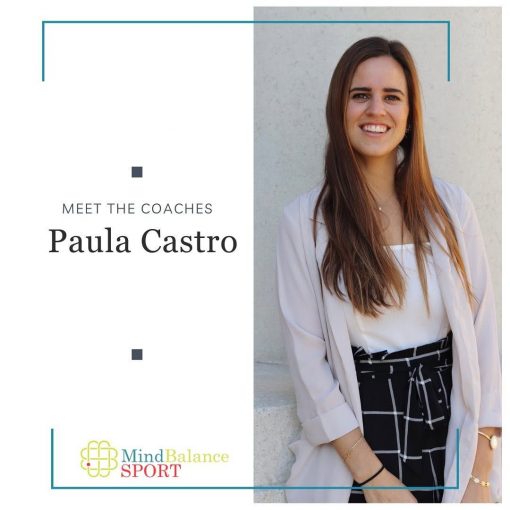
Performance Improvement Consultant
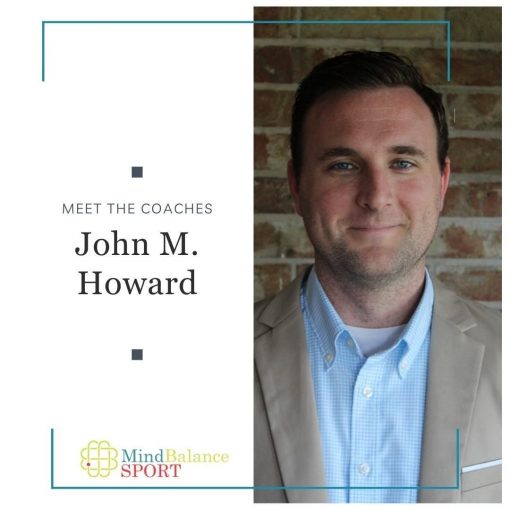
Performance Improvement Consultant
Licensed Mental Health Professional
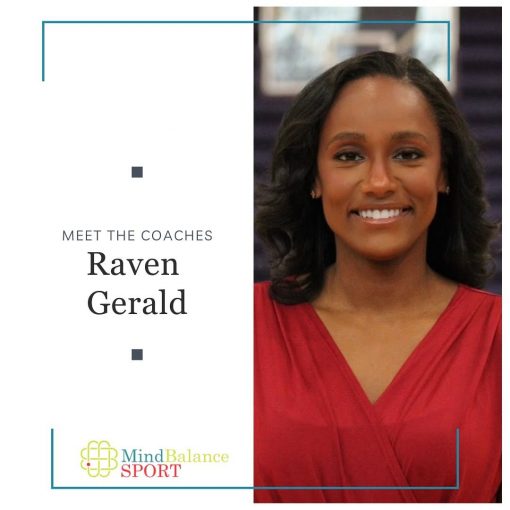
Performance Improvement Consultant

Licensed Professional Counselor
performance improvement consultant
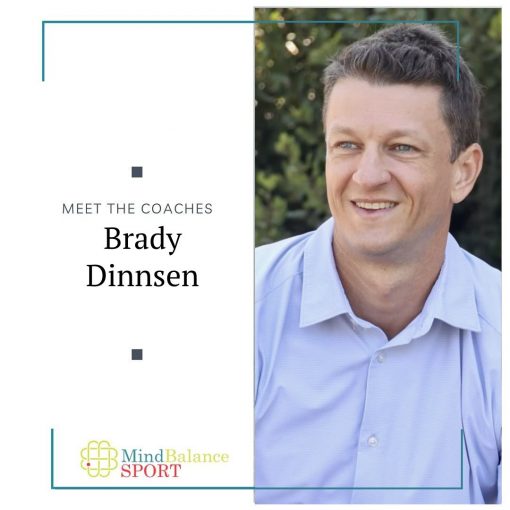
Performance Improvement Consultant
testimonials
Athlete Stories: Real Comebacks, Real Results

Emma, a high school basketball player, tore her ACL in the middle of her junior season. After surgery, she struggled with self-doubt and fear every time she stepped back on the court. Through sport psychology training, she learned visualization techniques and confidence-building exercises that helped her regain trust in her knee. When she returned for her senior season, she didn’t just play—she led her team to the playoffs.

Carlos, a soccer player, suffered a stress fracture in his foot and had to miss half of his season. Sitting out was mentally tougher than the pain itself. We worked on mental engagement strategies to keep him sharp—studying game film, setting small rehab goals, and using mental imagery to stay ready. When he was finally cleared, his confidence never wavered.

Jordan, a track athlete, strained her hamstring before a major competition. She feared losing speed and falling behind competitors. Instead of focusing on what she couldn’t do, we redirected her energy toward mental preparation, using self-talk and goal setting to keep her confidence strong. When she returned, she set a new personal record.
EXCELLENT Based on 30 reviews
 Posted on Google
 hank rochetteI decided to work with a mental performance coach because I struggled with self-doubt around my race-day performance. I wanted to understand where those doubts came from and learn how to show up with greater confidence, focus, and certainty. Working with Brady has been a game changer. Through our work together, I now approach races feeling more relaxed, confident, and focused. Some of the most valuable tools I've developed include creating an alter ego for race day, understanding the difference between my internal and external scoreboards, and developing my personal pain pledge. These strategies have helped me perform with a stronger mindset and enjoy the process more. If you're looking to show up to your event, game, or race with greater confidence, certainty, and mental resilience, I highly recommend working with a mental performance coach—and Brady has been an outstanding guide throughout that journey.Posted on Google
 Ella ConnorI found my time at MindbalanceSPORT SUPER helpful. I improved a lot with my confidence in my own play and working on taking steps to reset after mistakes and in between points. This helped me achieve a lot more than I thought I would be able to. We were also able to create some impactful morning routines with meditation and mindfulness. I would highly recommend!!Posted on Google
 Nancy YasalonisWhat a great experience! Recently we had Brady Dinnsen work with our volleyball team to discuss various aspects of mental toughness. Some of the topics that were super helpful were Self-talk, Confidence, Next point mentality and Finishing. Brady would be an asset to any team looking to improve in these areas.Posted on Google
 Vicki AnagnostopoulosThis practice is doing amazing things for young athletes. I have had a top notch experience collaborating with providers at Mind Balance Sport. As a psychologist who does a lot of the clinical work with student athletes, the added component of mental performance coaching really catalyzes growth and well-being. I highly recommend.Posted on Google
 Kristin HumeI am a marathon runner with some big goals for myself. In my last three marathons, I’ve struggled with some serious mental blockers in the later miles, and I’ve disappointed myself. In just 3 sessions so far, Paula has shown me how much my mental game is slowing me down. She’s armed me with actionable strategies to tackle my mental demons so that I can achieve what I think I am capable of. More than that, she’s helped me recover my “why” so that I can find joy in running again. She has been life changing. I am a 9x marathoner, yet I didn’t realize how much our mindset can shape our running experience, and how critical it is to train our brains along with our bodies. She’s getting me ready to take on my second Boston marathon this spring, and I can’t wait!Posted on Google
 Jacey SprattMy daughter (now 13) is a highly motivated and dedicated competitive gymnast who currently changed 16 hours a week. We hired Paula Castro a couple of years ago to work with her, as she was struggling with the stress/expectations of meets as well as some of the dynamics in the gym. Paula was a godsend; she helped make competitions more enjoyable/less stressful for her. She also provided useful tools and strategies that despite her young age, really resonated with her. My daughter attributes her gymnastics advancement in large part due to her work with Paula. We could not recommend her more highly and hope to work with her again in the future.Posted on Google
 Lauren WoolbertMy daughter and I loved working with Paula! I was worried that my kid may be too young, but it was so helpful to really find what the sport means to my daughter. And now we have several tools we can use in different situations to help re-focus and strengthen her mental game. We will definitely be calling her back if and when we hit an inevitable rough patch!Posted on Google
 Josh NotesIt has been great to use their guidance, tools and support to help our pre-teen athlete with mental focus and emotional regulation during competition.
Recovery
While Everyone Has A Physical Ceiling, There Is No Mental Ceiling.
Top Sports Psychologist Serving Athletes in Washington, DC
Sport Psychology Support for Athletes, Parents, and Families in Washington, DC
When Athletes in Washington, DC Seek Help from a Sports Psychologist
- strong practice performance but weaker competition performance
- fear of making mistakes
- confidence that changes from one event to the next
- difficulty resetting after errors
- emotional swings connected to results
- pressure from recruiting, school, or family expectations
- loss of motivation or enjoyment in sport
Common Performance Challenges We Help Athletes Work Through
Performance Anxiety
Confidence Issues and Mental Blocks
Focus and Concentration
Pressure and Stress
Burnout and Perfectionism
Injury Recovery and Return to Play
Motivation and Consistency
Slumps, Mistakes, and Fear of Failure
Who We Work With
Youth Athletes
Middle School and High School Athletes
College Athletes
Competitive and Elite Athletes
Injured Athletes
Parents of Athletes
Our Approach to Sport Psychology and Mental Performance
- confidence-building
- mental skills training
- emotional regulation
- focus and concentration strategies
- self-talk awareness and adjustment
- routines before and during competition
- mindset after mistakes
- visualization
- goal setting
- resilience during setbacks
- return-to-play mindset after injury
Why Athletes and Families Choose MindBalanceSPORT
Work With Clinicians Who Understand the Mental Side of Competition
- credentials and licensure
- athlete populations served
- areas of sport-performance focus
- relevant specialist training or background
- availability and service delivery details