
Sports Psychologist in Silver Spring, MD
You want to work on your mental game, but how do you train your brain?
At MindBalanceSPORT, We Train The Other Half Of The Athlete.
You want to work on your mental game, but how do you train your brain?
Mental training does not get much media attention, but at MindBalanceSPORT we know it is a game changer. The mental skills you will learn at MindBalanceSPORT are generalizable in the classroom, in sport and in life!
We know that mental skills can be successfully taught, even at an early age.
Our Services



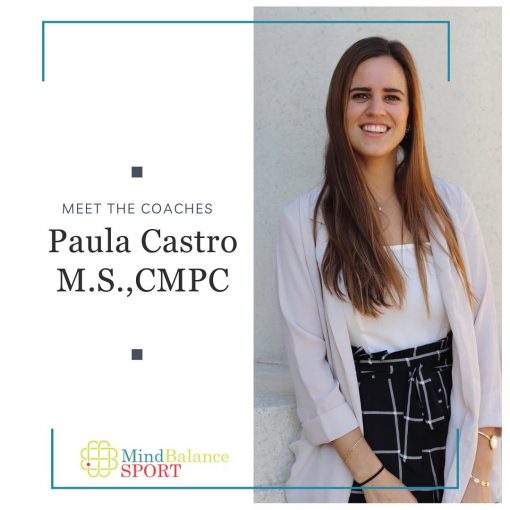
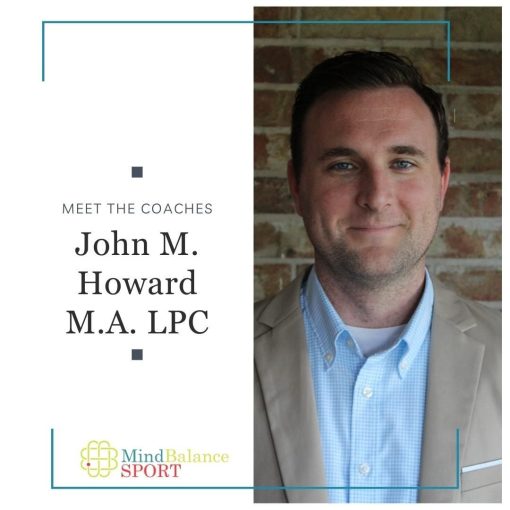
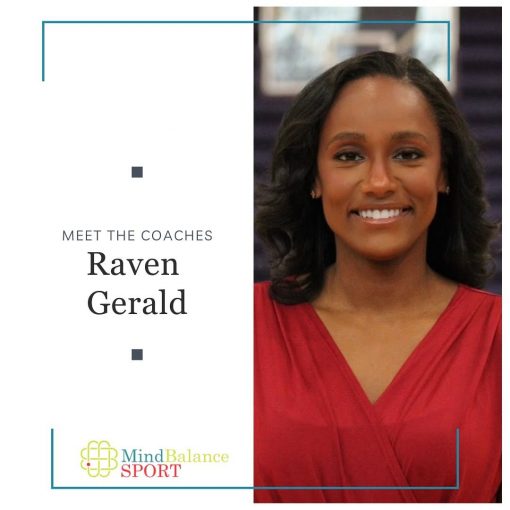
Meet the Team


testimonials
Athlete Stories: Real Comebacks, Real Results

Emma, a high school basketball player, tore her ACL in the middle of her junior season. After surgery, she struggled with self-doubt and fear every time she stepped back on the court. Through sport psychology training, she learned visualization techniques and confidence-building exercises that helped her regain trust in her knee. When she returned for her senior season, she didn’t just play—she led her team to the playoffs.

Carlos, a soccer player, suffered a stress fracture in his foot and had to miss half of his season. Sitting out was mentally tougher than the pain itself. We worked on mental engagement strategies to keep him sharp—studying game film, setting small rehab goals, and using mental imagery to stay ready. When he was finally cleared, his confidence never wavered.

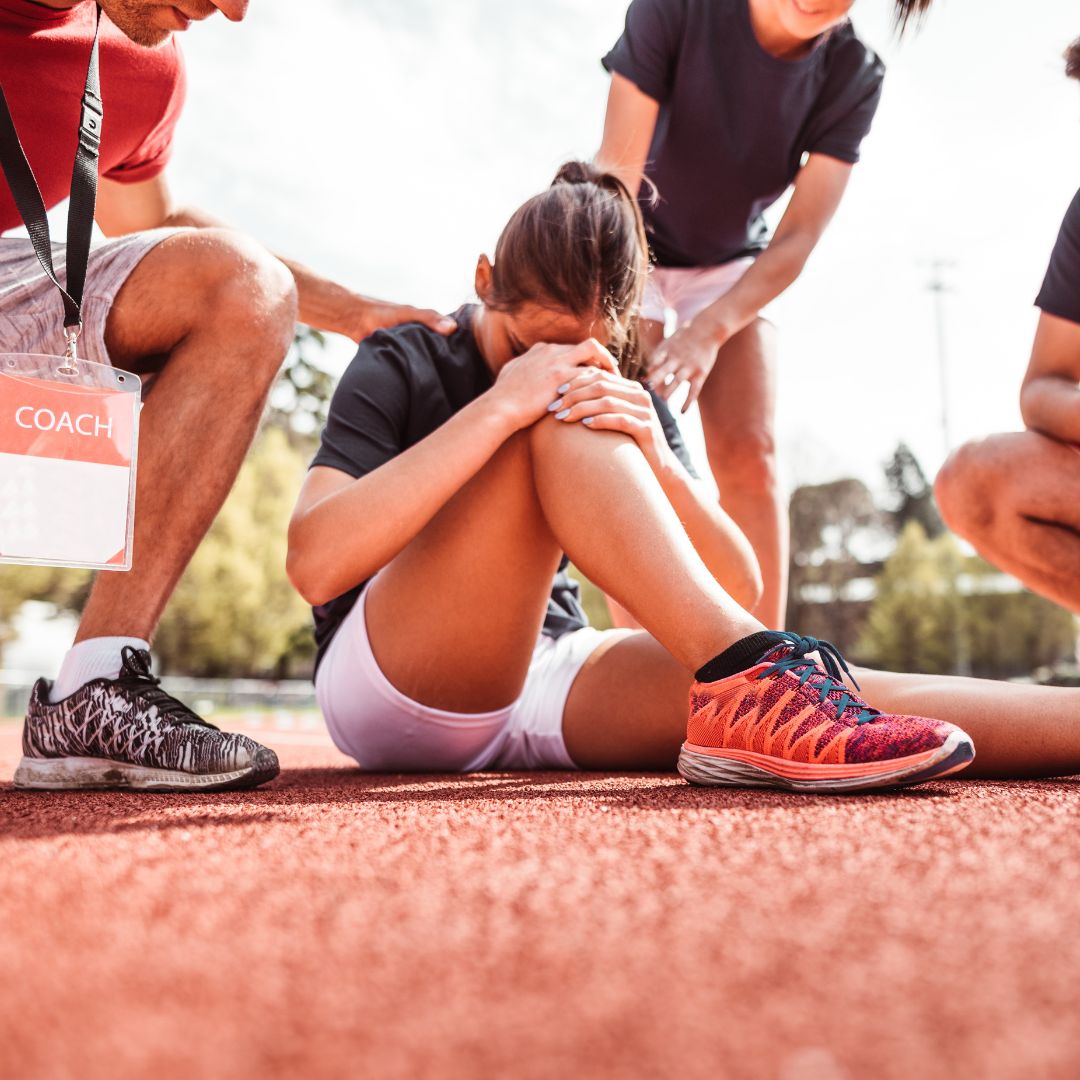
Jordan, a track athlete, strained her hamstring before a major competition. She feared losing speed and falling behind competitors. Instead of focusing on what she couldn’t do, we redirected her energy toward mental preparation, using self-talk and goal setting to keep her confidence strong. When she returned, she set a new personal record.
EXCELLENTTrustindex verifies that the original source of the review is Google. I decided to work with a mental performance coach because I struggled with self-doubt around my race-day performance. I wanted to understand where those doubts came from and learn how to show up with greater confidence, focus, and certainty. Working with Brady has been a game changer. Through our work together, I now approach races feeling more relaxed, confident, and focused. Some of the most valuable tools I've developed include creating an alter ego for race day, understanding the difference between my internal and external scoreboards, and developing my personal pain pledge. These strategies have helped me perform with a stronger mindset and enjoy the process more. If you're looking to show up to your event, game, or race with greater confidence, certainty, and mental resilience, I highly recommend working with a mental performance coach—and Brady has been an outstanding guide throughout that journey.Posted on GoogleTrustindex verifies that the original source of the review is Google. I found my time at MindbalanceSPORT SUPER helpful. I improved a lot with my confidence in my own play and working on taking steps to reset after mistakes and in between points. This helped me achieve a lot more than I thought I would be able to. We were also able to create some impactful morning routines with meditation and mindfulness. I would highly recommend!!Posted on GoogleTrustindex verifies that the original source of the review is Google. What a great experience! Recently we had Brady Dinnsen work with our volleyball team to discuss various aspects of mental toughness. Some of the topics that were super helpful were Self-talk, Confidence, Next point mentality and Finishing. Brady would be an asset to any team looking to improve in these areas.Posted on GoogleTrustindex verifies that the original source of the review is Google. This practice is doing amazing things for young athletes. I have had a top notch experience collaborating with providers at Mind Balance Sport. As a psychologist who does a lot of the clinical work with student athletes, the added component of mental performance coaching really catalyzes growth and well-being. I highly recommend.Posted on GoogleTrustindex verifies that the original source of the review is Google. I am a marathon runner with some big goals for myself. In my last three marathons, I’ve struggled with some serious mental blockers in the later miles, and I’ve disappointed myself. In just 3 sessions so far, Paula has shown me how much my mental game is slowing me down. She’s armed me with actionable strategies to tackle my mental demons so that I can achieve what I think I am capable of. More than that, she’s helped me recover my “why” so that I can find joy in running again. She has been life changing. I am a 9x marathoner, yet I didn’t realize how much our mindset can shape our running experience, and how critical it is to train our brains along with our bodies. She’s getting me ready to take on my second Boston marathon this spring, and I can’t wait!Posted on GoogleTrustindex verifies that the original source of the review is Google. My daughter (now 13) is a highly motivated and dedicated competitive gymnast who currently changed 16 hours a week. We hired Paula Castro a couple of years ago to work with her, as she was struggling with the stress/expectations of meets as well as some of the dynamics in the gym. Paula was a godsend; she helped make competitions more enjoyable/less stressful for her. She also provided useful tools and strategies that despite her young age, really resonated with her. My daughter attributes her gymnastics advancement in large part due to her work with Paula. We could not recommend her more highly and hope to work with her again in the future.Posted on GoogleTrustindex verifies that the original source of the review is Google. My daughter and I loved working with Paula! I was worried that my kid may be too young, but it was so helpful to really find what the sport means to my daughter. And now we have several tools we can use in different situations to help re-focus and strengthen her mental game. We will definitely be calling her back if and when we hit an inevitable rough patch!Posted on GoogleTrustindex verifies that the original source of the review is Google. It has been great to use their guidance, tools and support to help our pre-teen athlete with mental focus and emotional regulation during competition.
Recovery
While Everyone Has A Physical Ceiling, There Is No Mental Ceiling.
How Sports Psychologists in Silver Spring, MD Help Olympic and Paralympic Athletes Overcome Challenges
How Sports Psychologists in Silver Spring, MD Help Olympic and Paralympic Athletes Overcome Challenges
Olympic and Paralympic athletes face immense pressures, both on and off the field. These individuals must perform at an elite level while navigating high expectations, rigorous training schedules, injuries, public scrutiny, and personal challenges. Sport psychology professionals play a pivotal role in helping these athletes overcome these obstacles by addressing their mental, emotional, and psychological needs.
Finding a Sports Psychologist Near Me: Overcoming Key Challenges Faced by Olympic and Paralympic Athletes
- Managing expectations from coaches, sponsors, fans, and self.
- Dealing with the fear of failure or underperformance.
- Coping with physical setbacks that disrupt training or competitions.
- Maintaining motivation during long recovery periods.
- Navigating relationships with family and friends amidst demanding schedules.
- Adjusting to post-career transitions after retirement from professional sports.
- Addressing anxiety, depression, stress, or burnout.
- Fighting stigma associated with seeking psychological support.
Strategies Used by Sport Psychology Professionals
- Visualization: Helping athletes envision successful outcomes to enhance confidence and focus.
- Goal setting: Establishing realistic short-term and long-term objectives for peak performance.
- Stress management: Teaching relaxation techniques such as mindfulness or breathing exercises.
- Offering tools to manage negative emotions like frustration or fear.
- Promoting positive thinking patterns through cognitive-behavioral strategies.
- Enhancing athlete-coach communication for better collaboration.
- Supporting team dynamics through conflict resolution practices.
- Providing encouragement during recovery phases to maintain mental clarity.
- Developing strategies for reintegration into sports post-injury.
Real-Life Applications in Olympic & Paralympic Settings
| Challenge | Psychological Intervention | Result |
| Performance anxiety | Visualization & focus exercises | Improved confidence during events |
| Career-ending injury | Emotional counseling | Acceptance and career redirection |
| Team conflicts | Mediation sessions | Enhanced teamwork & morale |
By providing targeted support for mental resilience and emotional well-being, sport psychologists make it possible for Olympic and Paralympic athletes to not only perform at their best but also thrive as individuals beyond their athletic careers. Addressing both general challenges and unique needs ensures that these global competitors are equipped to handle the intense demands of elite sports effectively.
Understanding the Impact of Sports Counselling in Silver Spring, MD on Athletes Facing Transitions
Athletes, especially those competing at Olympic and Paralympic levels, often face unexpected transitions throughout their careers. These transitions can range from sudden career-ending injuries to changes in coaching staff, or even shifts in personal motivation. Sport psychologists play an essential role in guiding athletes through these challenges, helping them adapt mentally and emotionally to maintain resilience and focus.
Common Types of Transitions in Sports
- Injury or Illness: Sudden physical setbacks can disrupt training plans and dampen future aspirations.
- Retirement or Career Transition: Moving away from competitive sport into a different career often requires a redefined sense of self-worth and purpose.
- Changes in Team Dynamics: A new coach or teammate may alter interpersonal relationships, requiring adjustments both on and off the field.
- Performance Slumps: Periods of diminished performance can lead to self-doubt, anxiety, or even burnout.
How Sport Psychologists Assist Athletes
- Helping athletes process emotions like frustration, disappointment, or fear following unexpected events.
- Teaching mindfulness practices or cognitive reframing strategies to stay present-focused rather than fixating on setbacks.
- Redefining short-term goals while keeping long-term aspirations intact despite disruptions.
- Encouraging intrinsic motivation over external pressures when circumstances change.
- Assisting with feelings of loss if an athlete’s identity is too closely tied to their sport.
- Supporting exploration into other career interests or personal aspirations outside athletics.
- Introducing practical methods such as deep breathing exercises or visualization techniques during high-pressure situations.
- Teaching time management skills for balancing recovery periods with performance demands.
Case Study: Navigating Injury-Driven Transitions
| Challenge Identified | Psychological Support Provided | Outcome Achieved |
| Fear of losing athletic identity | Sessions focused on redefining personal values | Athlete gains a sense of purpose beyond gymnastics |
| Anxiety about rehabilitation progress | Guided relaxation exercises and positive affirmations | Improved mental clarity during recovery |
| Difficulty visualizing life post-injury | Career counseling with vision boards | Confidence restored through new opportunities |
Long-Term Benefits for Athletes
By addressing unexpected shifts early with professional guidance, athletes develop greater resilience over time. This leads not only to improved adaptability but also enhances their ability to thrive both during competition years and when transitioning out of elite sports entirely.
Unlocking Peak Performance Through Performance Psychology in Silver Spring, MD
Sport psychology professionals play a pivotal role in helping athletes achieve their potential by addressing the emotional and mental challenges that accompany high-performance environments. Their expertise extends beyond physical training, focusing on the psychological aspects that drive consistent and optimal performance.
Key Areas of Emotional and Mental Guidance
- Stress Management: Helping athletes manage competition-related stress to maintain composure during high-pressure situations.
- Focus and Concentration: Teaching techniques to improve focus and minimize distractions during both practice and competitive events.
- Motivation Enhancement: Assisting athletes in staying motivated during prolonged training periods or after setbacks.
- Emotional Regulation: Guiding athletes to manage emotions such as frustration, anxiety, or excitement that could impact performance.
Common Strategies Used by Sports Psychologists
- Establishing realistic short-term and long-term goals to provide direction.
- Encouraging measurable objectives that can track progress.
- Using mental imagery to rehearse performance scenarios.
- Enhancing confidence by visualizing success under challenging conditions.
- Incorporating mindfulness exercises like meditation or breathing techniques.
- Training athletes to remain present in the moment rather than worrying about past mistakes or future outcomes.
- Identifying negative thought patterns that hinder performance.
- Replacing unhelpful thoughts with constructive ones that promote self-belief.
- Fostering better communication among team members.
- Resolving interpersonal conflicts to build a more cohesive unit.
The Impact of Mental Guidance on Performance Outcomes
| Area of Improvement | Description |
| Enhanced Focus | Athletes maintain concentration even under pressure. |
| Reduced Anxiety | Anxiety levels decrease, leading to calmer execution. |
| Higher Confidence Levels | Positive reinforcement boosts self-belief. |
| Resilience After Setbacks | Athletes recover faster from failures or injuries. |
Case Study Examples
- Olympic Sprinter Overcoming Pre-Race Anxiety: A sprinter struggling with pre-race nerves learned breathing techniques through sessions with a sports psychologist, which allowed them to perform with greater clarity and control during critical heats.
- Paralympic Team Building Cohesion for Success: A Paralympic team faced communication issues that were affecting their synergy on the field. Working with a psychologist improved their ability to work together effectively, leading to better results during competitions.
By addressing both emotional resilience and mental fortitude, sport psychology experts serve as an indispensable part of an athlete’s support system, ensuring they are equipped not only physically but also mentally for the demands of elite competition.
Exploring Sport Performance Training in Silver Spring, MD: Insights from Elite Olympic and Paralympic Athletes
Elite athletes—both Olympic and Paralympic—face unique psychological, physical, and emotional challenges. Competing at the highest level of sport demands not only peak physical performance but also mental resilience to navigate pressure, setbacks, and expectations. Sports psychologists play an integral role in helping these athletes understand their experiences, address their needs, and make the necessary mental adjustments to succeed.
The Experiences of Elite Athletes
- High Expectations: Representing one’s country on an international stage comes with immense pressure to perform.
- Rigorous Training Schedules: Many elite athletes dedicate countless hours to training every day for years leading up to major events.
- Isolation: Training camps or travel for competitions can lead to a sense of isolation from family and friends.
- Media Scrutiny: Both success and failure are often magnified under media attention.
- Physical Strain: Managing injuries while maintaining peak performance adds another layer of stress.
For Paralympic athletes in particular, additional considerations such as navigating accessibility challenges or overcoming societal misconceptions can add complexity to their experiences.
Key Needs of Elite Athletes
- Stress Management Techniques
Learning methods such as mindfulness exercises or visualization can help reduce pre-competition anxiety. - Emotional Support Systems
Building a network that includes family, coaches, teammates, and psychology professionals is essential. - Resilience Training
Developing coping mechanisms to handle failures or setbacks prevents long-term negative effects on performance. - Goal Setting Strategies
Breaking down long-term aspirations into smaller actionable steps ensures that the journey feels manageable. - Identity Protection Beyond Sports
Assisting athletes in forming a sense of self outside their athletic identity helps prepare them for life post-retirement.
Mental Adjustments Required
| Adjustment Type | Example | Psychological Benefit |
| Mindset Shifts | Adopting a “growth mindset” rather than focusing solely on results | Builds resilience when faced with failure |
| Focus Enhancement | Using concentration drills during practice | Improves ability to block distractions |
| Emotional Regulation | Practicing strategies like controlled breathing | Reduces emotional responses during high-pressure scenarios |
| Acceptance Techniques | Letting go of factors beyond control (e.g., weather) | Encourages focus on controllable actions |
The Role of Sports Psychologists
Sports psychologists specialize in guiding Olympic and Paralympic competitors through these challenges by tailoring interventions that meet individual needs. They help athletes reframe negative thought patterns into productive ones while ensuring they remain motivated through struggles. These professionals also provide tools for balancing personal goals with team obligations—a critical component for those competing in team-based sports.
Through active collaboration with coaches and medical staff, sports psychologists ensure a holistic approach to athlete wellness. This partnership fosters both peak performance under pressure and sustained mental health over the course of an athlete’s career.
Maximizing Athletic Success with a Sports Mental Coach in Silver Spring, MD
Mental wellness plays a foundational role in athletic success, yet it is often overshadowed by physical training and strategy. Athletes face unique mental challenges, including high-pressure performance expectations, intense competition, injuries, and the constant demand to improve. Seeking the support of a sports psychologist can significantly enhance an athlete’s mental and emotional well-being while contributing to their overall performance.
The Importance of Mental Wellness in Athletics
- Performance anxiety
- Burnout or loss of motivation
- Difficulty recovering from setbacks or failures
- Increased risk of mental health issues such as depression or anxiety
By addressing these challenges proactively with a qualified sports psychologist, athletes can better manage their emotions and thrive under pressure.
How Sports Psychologists Promote Mental Wellness
- Teaching relaxation methods such as deep breathing and progressive muscle relaxation.
- Implementing mindfulness practices to stay present during training or competition.
- Helping athletes set realistic short-term and long-term goals.
- Ensuring goals are measurable, attainable, relevant, and time-bound (SMART).
- Reducing self-doubt through positive reinforcement.
- Guiding athletes in developing positive self-talk routines.
- Teaching reframing techniques to view setbacks as opportunities for growth.
- Developing action plans for overcoming injuries or failures constructively.
Benefits Athletes Experience with Regular Psychological Support
| Benefit | Description |
| Improved Focus | Enhanced ability to block out distractions during critical moments |
| Greater Emotional Regulation | Ability to manage pre-game nerves or post-loss frustrations |
| Enhanced Motivation | Support in rediscovering passion for the game during periods of stagnation |
| Better Team Dynamics | Assistance in navigating interpersonal conflicts within teams |
| Long-Term Resilience | Development of skills that promote mental strength beyond the athletic arena |
Breaking the Stigma Around Seeking Help
- Educating teams about the role of sports psychology.
- Celebrating stories of elite professionals who credit their success in part to psychological guidance.
- Encouraging open dialogue about emotional struggles within competitive environments.
Seeking assistance from a sports psychologist should be viewed as an integral part of an athlete’s training regimen—equally critical as working with strength coaches or nutritionists. By prioritizing mental wellness alongside physical development, athletes position themselves not only for peak performance but also for long-term personal growth and satisfaction both on and off the field.
Exploring Sports Psychiatry in Silver Spring, MD: Building Resilience and Growth for Athletes and Teams
Sports psychologists play a vital role in creating environments where athletes feel secure, motivated, and capable of growth. These professionals focus on building a foundation of trust while addressing the mental and emotional challenges that athletes face. The safe spaces they create are critical for fostering resilience, teamwork, and personal development, benefiting both individuals and teams.
The Importance of Safe Spaces in Sports Psychology
Safe spaces allow athletes to:
– Express Vulnerability: Athletes are under constant pressure to perform. A secure environment enables them to openly share concerns about mental health, performance stress, or personal struggles.
– Explore Emotional Challenges: By providing a space free from judgment, sports psychologists encourage honest discussions about fears, anxieties, or self-doubt.
– Build Self-Awareness: Reflection is key to growth. Safe spaces allow athletes to recognize patterns in their thoughts and behaviors that impact performance.
Without these safe environments, many athletes may suppress emotions or avoid seeking help altogether. This can hinder their ability to adapt to challenges or recover from setbacks effectively.
Strategies Used by Sports Psychologists
- Ensuring complete confidentiality helps build trust between athletes and psychologists.
- Athletes are more likely to open up when they know their personal information is protected.
- Psychologists practice attentive listening without interruption or judgment.
- This technique validates the athlete’s experiences while creating an atmosphere of mutual respect.
- Incorporating mindfulness exercises helps athletes manage stress in high-pressure situations.
- Techniques like breathing exercises or meditation teach mental regulation and focus.
- CBT is often used to challenge negative thought patterns affecting performance.
- By reframing these thoughts in a supportive setting, athletes build healthier mindsets.
- Supporting collective resilience is as important as individual well-being.
- Group activities designed by sports psychologists enhance communication and trust among teammates.
Benefits of Safe Spaces for Teams and Individuals
| Benefit | Impact on Athletes |
| Improved Mental Resilience | Better ability to recover from failure |
| Enhanced Communication | Open channels among teammates/coaches |
| Reduced Burnout | Effective management of stress levels |
| Increased Confidence | Greater belief in skills under pressure |
| Stronger Team Cohesion | Trust fosters unity within teams |
Real-Life Applications
Olympic teams frequently work with sports psychologists who implement these principles during training camps or competitions. For example:
– In team sports such as basketball or soccer, group sessions may focus on conflict resolution strategies to strengthen interpersonal dynamics. – Individual athletes like sprinters might meet privately with a psychologist to discuss pre-race anxiety management techniques.
By emphasizing emotional safety alongside physical preparation, today’s sports psychologists ensure that both individual athletes and teams are equipped not only for competition but also for long-term personal growth.