
Sports Psychologist in College Park, MD
You want to work on your mental game, but how do you train your brain?
At MindBalanceSPORT, We Train The Other Half Of The Athlete.
You want to work on your mental game, but how do you train your brain?
Mental training does not get much media attention, but at MindBalanceSPORT we know it is a game changer. The mental skills you will learn at MindBalanceSPORT are generalizable in the classroom, in sport and in life!
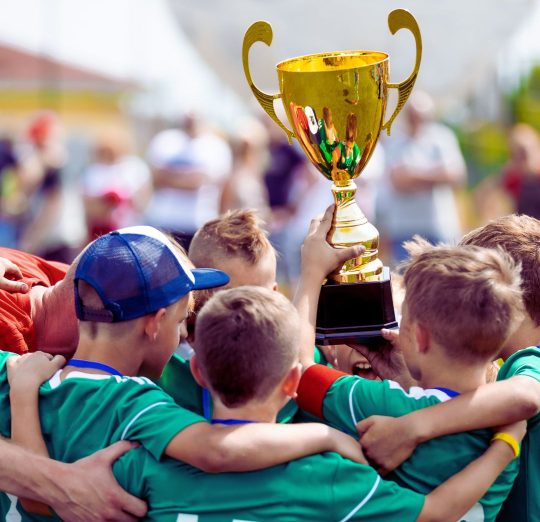
We know that mental skills can be successfully taught, even at an early age.
Our Services



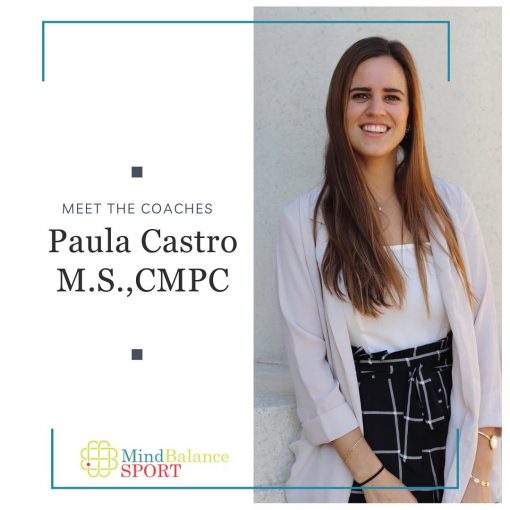
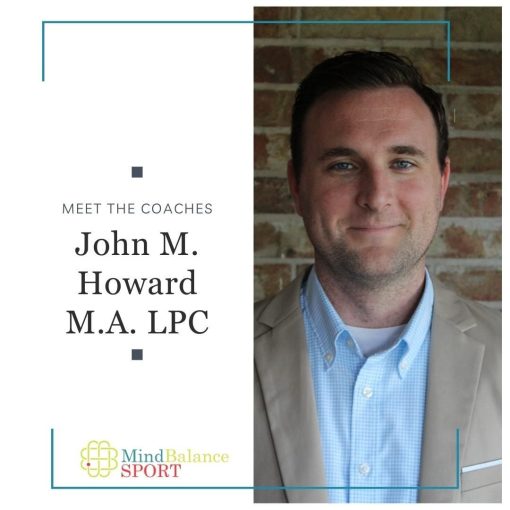
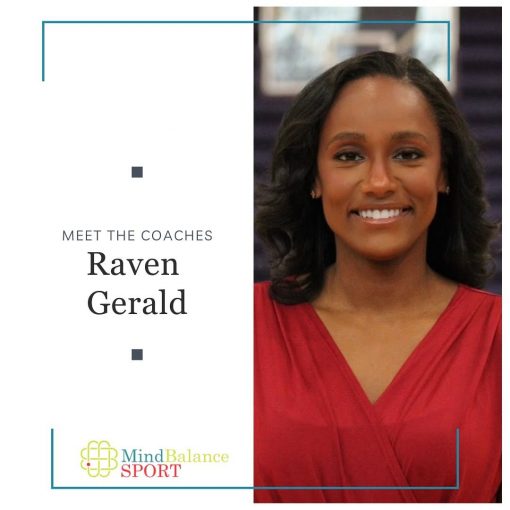
Meet the Team


testimonials
Athlete Stories: Real Comebacks, Real Results

Emma, a high school basketball player, tore her ACL in the middle of her junior season. After surgery, she struggled with self-doubt and fear every time she stepped back on the court. Through sport psychology training, she learned visualization techniques and confidence-building exercises that helped her regain trust in her knee. When she returned for her senior season, she didn’t just play—she led her team to the playoffs.

Carlos, a soccer player, suffered a stress fracture in his foot and had to miss half of his season. Sitting out was mentally tougher than the pain itself. We worked on mental engagement strategies to keep him sharp—studying game film, setting small rehab goals, and using mental imagery to stay ready. When he was finally cleared, his confidence never wavered.

Jordan, a track athlete, strained her hamstring before a major competition. She feared losing speed and falling behind competitors. Instead of focusing on what she couldn’t do, we redirected her energy toward mental preparation, using self-talk and goal setting to keep her confidence strong. When she returned, she set a new personal record.
EXCELLENT Based on 30 reviews
 Posted on Google
 hank rochetteI decided to work with a mental performance coach because I struggled with self-doubt around my race-day performance. I wanted to understand where those doubts came from and learn how to show up with greater confidence, focus, and certainty. Working with Brady has been a game changer. Through our work together, I now approach races feeling more relaxed, confident, and focused. Some of the most valuable tools I've developed include creating an alter ego for race day, understanding the difference between my internal and external scoreboards, and developing my personal pain pledge. These strategies have helped me perform with a stronger mindset and enjoy the process more. If you're looking to show up to your event, game, or race with greater confidence, certainty, and mental resilience, I highly recommend working with a mental performance coach—and Brady has been an outstanding guide throughout that journey.Posted on Google
 Ella ConnorI found my time at MindbalanceSPORT SUPER helpful. I improved a lot with my confidence in my own play and working on taking steps to reset after mistakes and in between points. This helped me achieve a lot more than I thought I would be able to. We were also able to create some impactful morning routines with meditation and mindfulness. I would highly recommend!!Posted on Google
 Nancy YasalonisWhat a great experience! Recently we had Brady Dinnsen work with our volleyball team to discuss various aspects of mental toughness. Some of the topics that were super helpful were Self-talk, Confidence, Next point mentality and Finishing. Brady would be an asset to any team looking to improve in these areas.Posted on Google
 Vicki AnagnostopoulosThis practice is doing amazing things for young athletes. I have had a top notch experience collaborating with providers at Mind Balance Sport. As a psychologist who does a lot of the clinical work with student athletes, the added component of mental performance coaching really catalyzes growth and well-being. I highly recommend.Posted on Google
 Kristin HumeI am a marathon runner with some big goals for myself. In my last three marathons, I’ve struggled with some serious mental blockers in the later miles, and I’ve disappointed myself. In just 3 sessions so far, Paula has shown me how much my mental game is slowing me down. She’s armed me with actionable strategies to tackle my mental demons so that I can achieve what I think I am capable of. More than that, she’s helped me recover my “why” so that I can find joy in running again. She has been life changing. I am a 9x marathoner, yet I didn’t realize how much our mindset can shape our running experience, and how critical it is to train our brains along with our bodies. She’s getting me ready to take on my second Boston marathon this spring, and I can’t wait!Posted on Google
 Jacey SprattMy daughter (now 13) is a highly motivated and dedicated competitive gymnast who currently changed 16 hours a week. We hired Paula Castro a couple of years ago to work with her, as she was struggling with the stress/expectations of meets as well as some of the dynamics in the gym. Paula was a godsend; she helped make competitions more enjoyable/less stressful for her. She also provided useful tools and strategies that despite her young age, really resonated with her. My daughter attributes her gymnastics advancement in large part due to her work with Paula. We could not recommend her more highly and hope to work with her again in the future.Posted on Google
 Lauren WoolbertMy daughter and I loved working with Paula! I was worried that my kid may be too young, but it was so helpful to really find what the sport means to my daughter. And now we have several tools we can use in different situations to help re-focus and strengthen her mental game. We will definitely be calling her back if and when we hit an inevitable rough patch!Posted on Google
 Josh NotesIt has been great to use their guidance, tools and support to help our pre-teen athlete with mental focus and emotional regulation during competition.
Recovery
While Everyone Has A Physical Ceiling, There Is No Mental Ceiling.
Supporting Growth and Resilience with Sports Psychologists in College Park, MD
Supporting Growth and Resilience with Sports Psychologists in College Park, MD
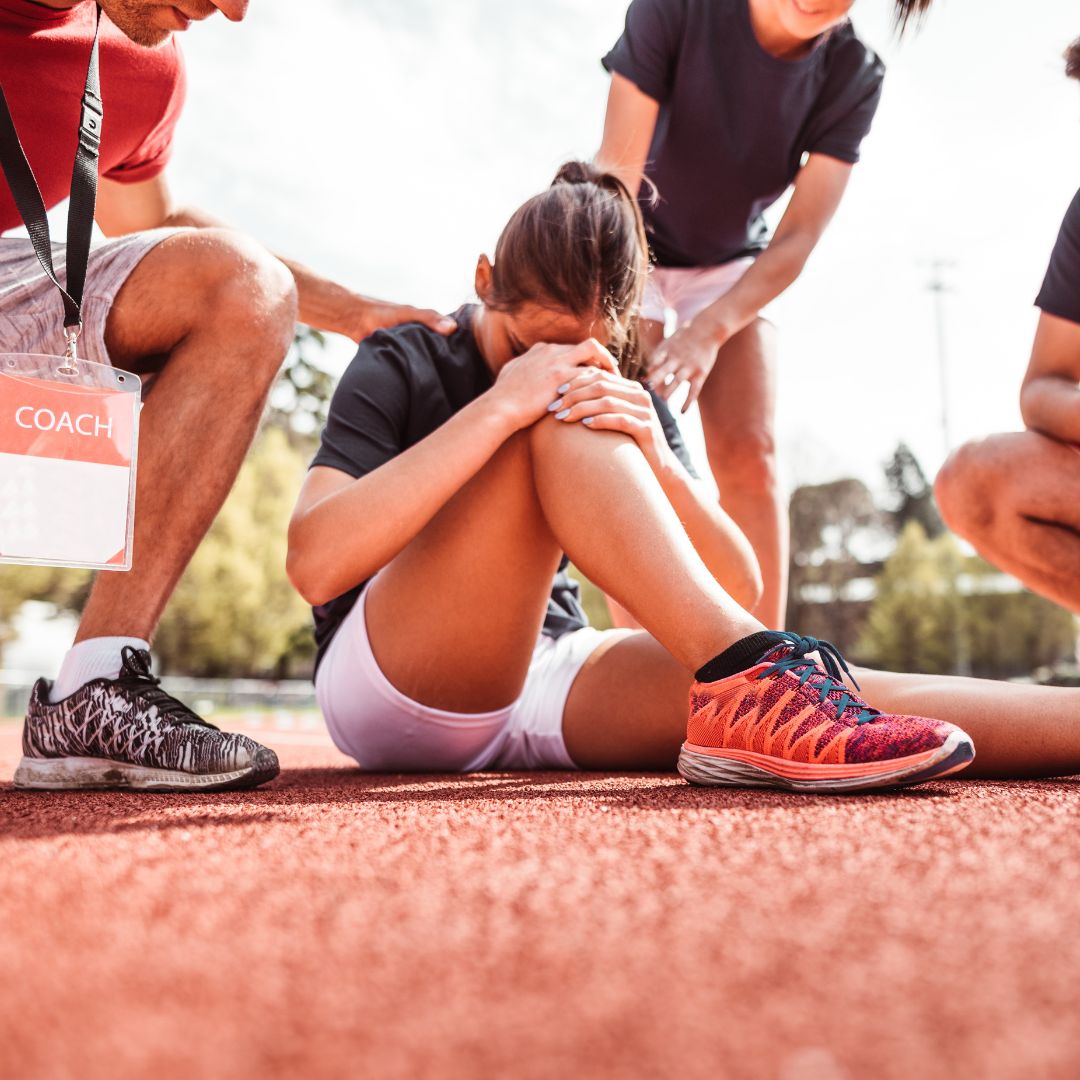
Sports injuries are an inevitable part of an athlete’s journey. While the physical toll is evident, the psychological impact can often go unnoticed. Facilitating growth and mental resilience after such setbacks is critical to ensuring athletes not only recover but emerge stronger, both mentally and physically.
The Psychological Impact of Sports Injuries
Injuries can lead to a range of emotional and mental health challenges, including:
– Anxiety about returning to play or reinjury.
– Depression due to reduced participation in sports and isolation from teammates.
– Loss of identity, particularly for athletes who strongly identify with their sport.
– Frustration and anger stemming from disrupted goals or long recovery times.
These factors underline the importance of addressing not just the physical damage but also the athlete’s mental well-being during recovery.
Principles of Growth Through Recovery
- Focusing on controllable factors: Teaching athletes to focus on what they can control, such as their rehabilitation process and mindset, rather than uncontrollable variables like time lost or external pressures.
- Reframing injury as an opportunity for growth: Encouraging athletes to view injuries as a chance to develop new skills, improve self-awareness, and enhance their mental strength.
- Mindfulness training: Using mindfulness techniques to manage pain perception, reduce stress levels, and promote emotional regulation during recovery periods.
- Setting realistic goals: Helping athletes set achievable short-term objectives that keep them motivated while working towards long-term recovery milestones.
Methods Used by Sports Psychologists
| Method | Description | Benefits |
| Cognitive Behavioral Therapy (CBT) | Identifying negative thought patterns related to injury and replacing them with positive ones | Reduces anxiety; improves overall outlook |
| Guided Imagery | Visualizing successful recovery steps or peak performance | Boosts motivation; enhances brain-muscle connection |
| Relaxation Techniques | Deep breathing exercises or progressive muscle relaxation | Helps control fear; lowers physical tension |
| Goal Setting | Structuring both short-term rehab targets and long-term performance goals | Maintains focus; fosters a sense of achievement |
Encouraging Mental Resilience During Rehabilitation
Maintaining resilience during rehabilitation is about sustaining hope while embracing challenges along the way:
– Promoting social connections: Staying involved with teammates or support networks helps combat feelings of isolation. – Building emotional awareness: Recognizing emotions like frustration allows athletes to address them constructively without derailing progress. – Celebrating small wins: Acknowledging minor improvements fosters optimism throughout lengthy recoveries.
By focusing on these strategies, sports psychologists empower athletes not just to return to their sport but do so with enhanced confidence in their abilities and improved mental toughness—key components for continued success in athletic performance post-injury.
How Sports Counselling in College Park, MD Helps Athletes Build Mental Strength and Recover from Injuries
Recovering from a sports injury is not just a physical process but also a significant mental journey. Many athletes face challenges such as frustration, anxiety, and fear of reinjury. However, with the right strategies and mindset, it is possible to turn these challenges into opportunities for growth. Here’s how athletes can build mental resilience and achieve post-injury growth.
Embracing the Concept of Sport Injury Related Growth
- Increased self-confidence as athletes overcome setbacks.
- A deeper appreciation for their sport.
- Enhanced focus on long-term goals rather than short-term achievements.
- Improved relationships with teammates, coaches, or family due to emotional support during recovery.
Practical Steps for Mental Growth During Recovery
- Establish short-, medium-, and long-term recovery goals.
- Track progress consistently to stay motivated.
- Use breathing exercises or meditation to manage stress.
- Stay present in the moment rather than worrying about future performance.
- Reframe injuries as opportunities for learning or self-discovery.
- Focus on what can be controlled instead of dwelling on setbacks.
- Visualize successful recovery outcomes or strong performances post-recovery.
- Create mental imagery that aligns with physical therapy exercises.
- Seek guidance from sports psychologists who specialize in injury-related mental skills training.
- Lean on family, friends, teammates, or mentors for encouragement.
Role of Reflection in Growth
| Key Areas for Reflection | Questions Athletes Can Ask Themselves |
| Personal Strengths | What strengths have I discovered through this process? |
| Motivation | Why do I want to recover and return stronger? |
| Life Perspective | Has this injury changed my outlook on sports or life? |
| Lessons Learned | What have I learned about overcoming challenges? |
Journaling these reflections regularly helps athletes recognize their progress over time while uncovering insights that can fuel future resilience.
Benefits of Achieving Mental Strength Post-Injury
- Better management of performance anxiety upon returning to competition.
- Greater adaptability when facing future challenges in sport or life.
- An improved balance between athletic identity and other aspects of life.
- A stronger connection between mind and body during training sessions.
By focusing on structured approaches like goal-setting, mindfulness practices, reflection exercises, and strengthening emotional networks, injured athletes have the ability not only to heal but also grow mentally stronger than before the setback occurred—turning adversity into an opportunity for self-improvement.
Exploring Performance Psychology in College Park, MD: Strategies for Athletes Recovering from Injury
Enhancing Emotional Resilience Through Sport Performance Training in College Park, MD
Athletes recovering from injuries often experience emotional struggles such as frustration, anxiety, or even depression. Sports psychology offers tools to help athletes process these emotions and develop resilience.
- Cognitive Behavioral Therapy (CBT): Helps athletes identify and reframe negative thought patterns associated with their injury.
- Mindfulness Practices: Techniques like meditation or breathing exercises are used to reduce stress and improve focus.
- Emotional Expression: Encourages open discussions about feelings, reducing the stigma around mental health issues.
Setting Realistic Recovery Goals with a Sports Mental Coach in College Park, MD
Injured athletes often feel overwhelmed by the recovery process. Goal-setting is fundamental in maintaining motivation and perspective during this time.
- Short-term Goals: Focus on small milestones that foster a sense of progress (e.g., regaining mobility).
- Long-term Vision: Helps create a broader perspective for returning to peak performance.
- SMART Goals Framework: Specific, Measurable, Achievable, Relevant, and Time-bound objectives guide recovery effectively.
| Goal Type | Example |
| Short-term | Increasing range of motion in two weeks |
| Mid-term | Returning to light training within three months |
| Long-term | Competing at an elite level within one year |
Enhancing Motivation Through Mental Skills Training in Sports Psychiatry in College Park, MD
- Visualization: Athletes imagine themselves overcoming challenges or achieving post-recovery successes.
- Self-Talk Strategies: Positive affirmations help combat feelings of doubt or fear.
- Intrinsic vs Extrinsic Motivation Analysis: Encourages focusing on internal drivers like self-improvement rather than external pressures (e.g., awards).
Reframing Setbacks as Opportunities for Growth with a Sports Psychologist Near Me
A critical aspect of sports psychology is helping athletes view injuries not just as obstacles but also as opportunities for personal development.
- Learn new perspectives about their sport or body mechanics.
- Develop skills outside athletic performance—leadership, mentoring younger teammates, etc.
- Strengthen mental toughness by overcoming adversity.
5. Reinforcing Confidence During the Return-to-Sport Phase
- Gradual exposure to sport-specific skills under controlled conditions builds comfort over time.
- Confidence-building exercises such as reviewing past achievements remind athletes of their capabilities.
- Regular feedback from coaches and therapists reinforces progress objectively.
Through structured interventions combining emotional support, goal-setting strategies, motivational tools, and confidence reinforcement techniques, sports psychologists empower injured athletes not only to recover physically but also to emerge mentally stronger than ever before.
Key Applications of Sports Psychology for Athletes Seeking Growth After Injury
Recovering from a sports injury is both a physical and mental challenge. While medical professionals address the physical aspects, sports psychologists play a pivotal role in helping athletes navigate the psychological impact, fostering growth, and facilitating a return to peak performance. Below are key applications of sports psychology that help athletes turn injury setbacks into opportunities for personal development and resilience.
1. Coping with Emotional Challenges During Recovery
- Mindfulness Techniques: Teaching athletes to remain present and manage stress through meditation and breathing exercises.
- Cognitive Restructuring: Helping individuals reframe negative thoughts (e.g., “I’ll never recover”) into more constructive beliefs (e.g., “Recovery is challenging but achievable”).
- Gratitude Practices: Encouraging reflection on what the athlete still values in their life or career instead of solely focusing on loss.
These tools not only improve mental well-being but also enhance motivation during rehabilitation.
2. Goal Setting for Rehabilitation
Injury recovery involves stages, each with its own milestones. Sports psychologists assist athletes in setting SMART goals (Specific, Measurable, Achievable, Relevant, Time-bound) to maintain focus and track progress.
| Stage of Recovery | Example SMART Goal | Purpose |
| Acute Recovery Phase | Perform prescribed physical therapy three times daily for one week | Build consistency and trust in the process |
| Strengthening Phase | Increase leg press weight by 10% over two weeks post-surgery | Encourage gradual improvement without overexertion |
| Return-to-Sport Phase | Practice sport-specific drills at least twice weekly under coaching supervision | Rebuild confidence safely |
By breaking recovery into smaller steps, goal setting fosters patience and keeps motivation high.
3. Visualization Techniques to Aid Healing
- Their injured muscles healing or regenerating.
- Completing exercises successfully during rehab sessions.
- Returning to competition confidently.
This practice activates neural pathways associated with physical movements, ensuring smoother transitions back to competitive environments once cleared medically.
4. Rebuilding Athletic Identity Post-Injury
- Sports psychologists encourage exploration of roles beyond athletics (e.g., being a mentor or teammate).
- They promote self-reflection exercises that redefine success as adaptability rather than flawless performance.
This holistic approach reinforces resilience and helps athletes find meaning even after significant setbacks.
5. Preventing Fear of Re-Injury
The fear of re-injury can hinder an athlete’s ability to perform confidently again. Sports psychologists use methods like graded exposure therapy, where the athlete gradually faces feared situations (e.g., sprinting after recovering from a hamstring tear). Simultaneously, relaxation techniques like progressive muscle relaxation help manage anxiety.
By addressing fear head-on through structured approaches, athletes rebuild their confidence while minimizing hesitation during return-to-play scenarios.
Summary Table: Key Psychological Strategies
| Application | Tools/Techniques | Benefits |
| Emotional Coping | Mindfulness, Cognitive Restructuring | Improved stress management |
| Goal Setting | SMART framework | Measurable progress |
| Visualization | Guided imagery | Enhanced mental readiness |
| Identity Reconstruction | Self-reflection | Broader sense of purpose |
| Managing Fear | Graded exposure therapy | Reduced anxiety; confident performance |
These tailored applications illustrate how sports psychology empowers injured athletes not just to recover but also emerge stronger—both mentally and physically—after adversity strikes.
Strategies Used by Sports Psychologists to Foster Mental Toughness in Athletes
Sports psychologists play a pivotal role in building mental resilience and toughness among athletes. This trait is essential for achieving consistent performance, overcoming challenges, and thriving under pressure. Below are key strategies commonly employed by sports psychologists to help athletes enhance their mental toughness.
1. Goal Setting: Building Focus and Motivation
Effective goal setting is fundamental in fostering mental toughness. Sports psychologists work with athletes to create clear, achievable goals that align with their aspirations.
- Outcome Goals: Focused on long-term achievements, such as winning a championship or breaking a personal record.
- Performance Goals: Concentrate on measurable improvements, such as increasing accuracy or speed.
- Process Goals: Emphasize daily habits and small actions that lead to larger successes, like refining techniques or maintaining consistent training schedules.
By breaking down large objectives into smaller steps, athletes build confidence as they progress toward their goals.
2. Cognitive Restructuring: Reframing Negative Thoughts
Negative thinking can hinder performance and growth. Sports psychologists utilize cognitive restructuring techniques to help athletes identify unhelpful thought patterns and replace them with constructive alternatives.
- Recognizing self-defeating thoughts (e.g., “I’ll never recover from this mistake”).
- Replacing them with positive affirmations (e.g., “I can learn from this and improve”).
This approach promotes resilience by encouraging productive self-talk during high-pressure situations.
3. Visualization and Mental Imagery
- Athletes are guided to mentally rehearse successful performances in vivid detail—this includes imagining the sights, sounds, emotions, and physical sensations they would experience during success.
- Mental imagery helps reduce anxiety while reinforcing an athlete’s belief in their ability to succeed.
| Scenario | Visualization Objective | Impact |
| Preparing for competition | Visualizing perfect execution | Boosts confidence |
| Recovering from injury | Imagining successful recovery | Encourages optimism |
| Facing adversity mid-game | Mentally rehearsing solutions | Enhances adaptability under stress |
4. Mindfulness Training for Emotional Regulation
- Breathing Exercises: Deep breathing practices reduce stress levels during high-pressure scenarios.
- Body Scanning: Increases awareness of physical sensations without judgment.
- Meditation: Builds focus while strengthening emotional regulation over time.
Mindfulness not only aids performance but also supports overall mental well-being.
5. Developing a Growth Mindset
| Fixed Mindset Example | Growth Mindset Alternative |
| “I’m not good enough at this skill.” | “With practice, I’ll master this.” |
| “Mistakes mean I’m failing.” | “Mistakes are opportunities to grow.” |
This shift helps athletes view setbacks as opportunities for improvement rather than barriers to success.
6. Stress Management Techniques
- Develop pre-performance routines that instill calmness.
- Implement relaxation techniques like progressive muscle relaxation (PMR).
- Teach strategies for compartmentalizing stressors unrelated to the sport itself.
These tools equip athletes with mechanisms to face challenges head-on while maintaining composure under pressure.
Fostering mental toughness is essential for any athlete aiming for sustained excellence both on and off the field. By incorporating these evidence-based strategies into training regimens, sports psychologists empower athletes not only to optimize their performance but also maintain resilience throughout their careers.
Strategies Used by Sports Psychologists to Foster Mental Toughness in Athletes
1. Goal Setting and Focus Training
Clear, actionable goals help athletes focus on what they can control while maintaining motivation. Sports psychologists guide athletes in setting both short-term and long-term goals using techniques such as:
– SMART Goals: Specific, Measurable, Achievable, Relevant, Time-bound objectives keep an athlete focused and accountable. – Process-Oriented Goals: Emphasizing effort (e.g., improving form or consistency) rather than solely outcomes like wins ensures progress even in challenging times.
| Goal Type | Example | Benefits |
| Outcome Goals | Winning a championship title | Drives big-picture motivation |
| Performance Goals | Improving completion rate by 10% | Benchmarks measurable growth |
| Process Goals | Practicing 100 free throws daily | Builds consistent habits |
2. Visualization and Mental Imagery
Visualization techniques allow athletes to mentally rehearse success scenarios or problem-solve challenges before stepping onto the field or court. Key elements include:
– Positive Imagery: Recalling successful performances to build confidence. – Scenario Rehearsal: Visualizing overcoming difficult opponents or recovering from errors during competition.
Sports psychologists might guide athletes through structured mental imagery sessions to enhance neural pathways associated with elite performance.
3. Cognitive Behavioral Techniques
Challenging negative thought patterns is vital for mental toughness. Strategies include:
– Thought Stopping: Actively interrupting unproductive thoughts like self-doubt. – Reframing: Turning challenges into opportunities (e.g., viewing a loss as a learning experience).
Sports psychologists often incorporate mindfulness-based approaches alongside CBT techniques for deeper emotional awareness and control.
4. Building Emotional Regulation Skills
Managing emotions under pressure is a cornerstone of mental toughness. Techniques employed include: – Breathing Exercises: Slow diaphragmatic breathing reduces anxiety levels pre-game or during high-stakes moments. – Emotional Awareness Training: Helping athletes identify triggers of frustration or fear allows them to respond rather than react. – Relaxation Techniques: Methods such as progressive muscle relaxation help calm physical tension.
5. Developing Self-Belief Through Affirmations and Confidence Training
Athletes often struggle with self-doubt after poor performances or injuries. Sports psychologists utilize strategies like: – Positive affirmations tailored to the athlete’s strengths (e.g., “I am disciplined and prepared”). – Success journals where past accomplishments are logged for motivational reflection.
6. Stress Management Tools
Pressure situations are an inevitable part of sports, making stress management vital: – Pre-performance routines help create consistency and reduce nerves. – Mindfulness meditation fosters present-moment awareness, preventing overthinking during competition.
These methods collectively enhance an athlete’s ability to adapt under pressure without losing focus on their performance goals.
By integrating these strategies into their practice routines, sports psychologists help athletes cultivate mental resilience that not only strengthens performance but also equips them for challenges beyond the playing field.