
Sports Psychologist in Rockville, MD
You want to work on your mental game, but how do you train your brain?
At MindBalanceSPORT, We Train The Other Half Of The Athlete.
You want to work on your mental game, but how do you train your brain?
Mental training does not get much media attention, but at MindBalanceSPORT we know it is a game changer. The mental skills you will learn at MindBalanceSPORT are generalizable in the classroom, in sport and in life!
We know that mental skills can be successfully taught, even at an early age.
Our Services




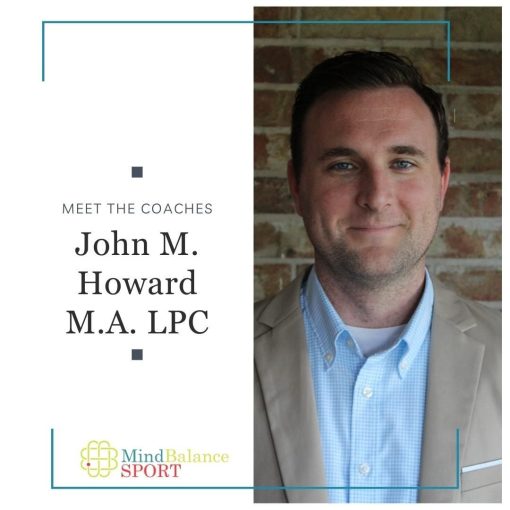
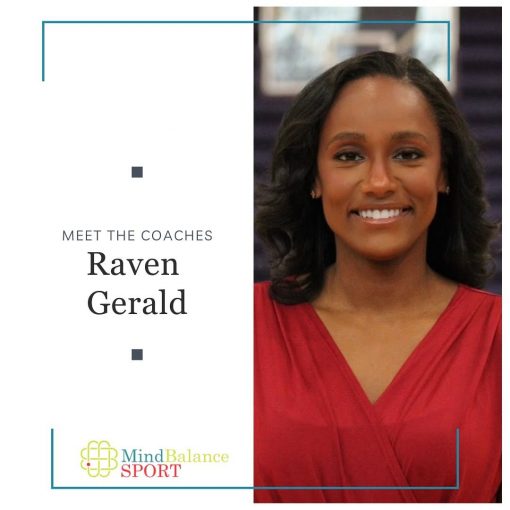
Meet the Team


testimonials
Athlete Stories: Real Comebacks, Real Results

Emma, a high school basketball player, tore her ACL in the middle of her junior season. After surgery, she struggled with self-doubt and fear every time she stepped back on the court. Through sport psychology training, she learned visualization techniques and confidence-building exercises that helped her regain trust in her knee. When she returned for her senior season, she didn’t just play—she led her team to the playoffs.

Carlos, a soccer player, suffered a stress fracture in his foot and had to miss half of his season. Sitting out was mentally tougher than the pain itself. We worked on mental engagement strategies to keep him sharp—studying game film, setting small rehab goals, and using mental imagery to stay ready. When he was finally cleared, his confidence never wavered.

Jordan, a track athlete, strained her hamstring before a major competition. She feared losing speed and falling behind competitors. Instead of focusing on what she couldn’t do, we redirected her energy toward mental preparation, using self-talk and goal setting to keep her confidence strong. When she returned, she set a new personal record.
EXCELLENTTrustindex verifies that the original source of the review is Google. I decided to work with a mental performance coach because I struggled with self-doubt around my race-day performance. I wanted to understand where those doubts came from and learn how to show up with greater confidence, focus, and certainty. Working with Brady has been a game changer. Through our work together, I now approach races feeling more relaxed, confident, and focused. Some of the most valuable tools I've developed include creating an alter ego for race day, understanding the difference between my internal and external scoreboards, and developing my personal pain pledge. These strategies have helped me perform with a stronger mindset and enjoy the process more. If you're looking to show up to your event, game, or race with greater confidence, certainty, and mental resilience, I highly recommend working with a mental performance coach—and Brady has been an outstanding guide throughout that journey.Posted on GoogleTrustindex verifies that the original source of the review is Google. I found my time at MindbalanceSPORT SUPER helpful. I improved a lot with my confidence in my own play and working on taking steps to reset after mistakes and in between points. This helped me achieve a lot more than I thought I would be able to. We were also able to create some impactful morning routines with meditation and mindfulness. I would highly recommend!!Posted on GoogleTrustindex verifies that the original source of the review is Google. What a great experience! Recently we had Brady Dinnsen work with our volleyball team to discuss various aspects of mental toughness. Some of the topics that were super helpful were Self-talk, Confidence, Next point mentality and Finishing. Brady would be an asset to any team looking to improve in these areas.Posted on GoogleTrustindex verifies that the original source of the review is Google. This practice is doing amazing things for young athletes. I have had a top notch experience collaborating with providers at Mind Balance Sport. As a psychologist who does a lot of the clinical work with student athletes, the added component of mental performance coaching really catalyzes growth and well-being. I highly recommend.Posted on GoogleTrustindex verifies that the original source of the review is Google. I am a marathon runner with some big goals for myself. In my last three marathons, I’ve struggled with some serious mental blockers in the later miles, and I’ve disappointed myself. In just 3 sessions so far, Paula has shown me how much my mental game is slowing me down. She’s armed me with actionable strategies to tackle my mental demons so that I can achieve what I think I am capable of. More than that, she’s helped me recover my “why” so that I can find joy in running again. She has been life changing. I am a 9x marathoner, yet I didn’t realize how much our mindset can shape our running experience, and how critical it is to train our brains along with our bodies. She’s getting me ready to take on my second Boston marathon this spring, and I can’t wait!Posted on GoogleTrustindex verifies that the original source of the review is Google. My daughter (now 13) is a highly motivated and dedicated competitive gymnast who currently changed 16 hours a week. We hired Paula Castro a couple of years ago to work with her, as she was struggling with the stress/expectations of meets as well as some of the dynamics in the gym. Paula was a godsend; she helped make competitions more enjoyable/less stressful for her. She also provided useful tools and strategies that despite her young age, really resonated with her. My daughter attributes her gymnastics advancement in large part due to her work with Paula. We could not recommend her more highly and hope to work with her again in the future.Posted on GoogleTrustindex verifies that the original source of the review is Google. My daughter and I loved working with Paula! I was worried that my kid may be too young, but it was so helpful to really find what the sport means to my daughter. And now we have several tools we can use in different situations to help re-focus and strengthen her mental game. We will definitely be calling her back if and when we hit an inevitable rough patch!Posted on GoogleTrustindex verifies that the original source of the review is Google. It has been great to use their guidance, tools and support to help our pre-teen athlete with mental focus and emotional regulation during competition.
Recovery
While Everyone Has A Physical Ceiling, There Is No Mental Ceiling.
How Sports Counselling in Rockville, MD Can Help Athletes Manage Stress and Uncertainty
How Sports Counselling in Rockville, MD Can Help Athletes Manage Stress and Uncertainty
Mindfulness has emerged as a transformative tool for athletes dealing with the pressures of competitive sports. The practice, which emphasizes present-moment awareness and non-judgmental acceptance of thoughts and emotions, plays a critical role in helping athletes manage stress and navigate periods of uncertainty. Sports psychologists increasingly advocate mindfulness-based strategies to foster mental resilience and improve overall performance.
Why Mindfulness is Vital for Athletes
- Reducing Performance Anxiety: By focusing on the present moment, athletes can detach from fears about future outcomes or mistakes from the past.
- Improving Emotional Regulation: Mindful practices help athletes better understand their emotional responses to stressors, enabling them to react more constructively.
- Enhancing Focus: Concentrating on the “here and now” improves attention during training sessions or competitions.
- Promoting Recovery: Regular mindfulness reduces cortisol levels (the stress hormone) and encourages mental recovery after intense physical exertion.
Key Mindfulness Practices for Athletes
- Focuses attention on inhalation and exhalation patterns.
- Encourages calmness before high-pressure situations like competitions.
- Helps athletes attune to physical sensations without judgment.
- Aids in recognizing areas of tension that could impact performance.
- Combines mindfulness with imagery by having athletes visualize successful performances while maintaining a relaxed state of mind.
- Apps like Headspace or Calm are frequently recommended as accessible ways for athletes to integrate mindfulness into daily life.
| Practice | Benefits | Frequency Recommended |
| Mindful Breathing | Reduces anxiety; sharpens focus | Daily (10 minutes) |
| Body Scans | Enhances body awareness | Weekly (15 minutes) |
| Visualization Techniques | Builds confidence | Pre-event preparation |
| Meditation Apps/Tools | Stress relief | As-needed |
Research Supporting Mindfulness in Sports
- A 2020 study published in Psychology of Sport and Exercise found that athletes practicing mindfulness reported lower levels of perceived competition stress than those who did not.
- Another study highlighted how mindful interventions improved endurance athletes’ ability to sustain peak concentration during long events.
Benefits Beyond Sports Performance
- Better communication with teammates and coaches due to improved emotional regulation.
- Increased resilience when facing setbacks such as injuries or losses.
- Greater life satisfaction through reduced overall mental strain.
By integrating mindfulness techniques into their routines under the guidance of sports psychologists, athletes can develop healthier coping mechanisms not just for sports-specific challenges but also for broader life uncertainties.
Unlocking Peak Potential with Performance Psychology in Rockville, MD
Athletes, both amateur and professional, face numerous physical and mental challenges throughout their careers. While physical fitness and technical skills are prioritized, an athlete’s psychological well-being often determines their ability to sustain peak performance. Sports psychologists play a crucial role in promoting well-being by addressing psychological barriers, fostering mental resilience, and improving emotional regulation. Below is an exploration of key ways sports psychologists enhance athlete well-being.
The Core Contributions of Sports Psychologists
- Stress Management: Helping athletes develop coping mechanisms for competitive stress or pressure from external expectations.
- Injury Recovery Support: Guiding athletes through the psychological challenges of injury rehabilitation.
- Building Mental Resilience: Equipping athletes with techniques to maintain focus and confidence despite setbacks.
- Improving Motivation: Assisting with goal setting and maintaining intrinsic motivation during demanding training cycles.
- Enhancing Team Dynamics: Supporting communication and cohesion within team environments.
Strategies Used by Sports Psychologists
- Helps athletes stay present-oriented during competition.
- Reduces anxiety by focusing on breathing techniques or progressive relaxation.
- Identifies negative thought patterns that undermine performance.
- Replaces self-doubt with constructive and empowering beliefs.
- Encourages mental rehearsal of successful performances.
- Strengthens neural pathways associated with specific skills or scenarios.
- Establishes SMART (Specific, Measurable, Achievable, Relevant, Time-bound) goals for better focus.
- Provides clear benchmarks for tracking progress.
- Monitors physiological responses like heart rate or muscle tension.
- Teaches athletes how to regulate these responses for better composure under pressure.
Benefits to Athletes’ Well-Being
| Area | Benefits Provided | Example Outcome |
| Emotional Health | Reduced anxiety and depression levels | Improved mood post-training |
| Performance Focus | Enhanced concentration amidst distractions | Consistent execution in high stakes |
| Confidence | Greater belief in abilities | Willingness to take calculated risks |
| Stress Regulation | Better handling of pre-game nerves | Elevated performance consistency |
Long-Term Effects on Career Success
- Sustaining long-term engagement without burnout.
- Cultivating life skills such as perseverance and adaptability.
- Supporting smoother transitions post-retirement from professional sports.
Sports psychologists are not merely resources for overcoming immediate challenges but partners in building a sustainable foundation for success—both on the field and off it.
Maximizing Sport Performance Training in Rockville, MD Through Mindfulness-Based Interventions
Mindfulness-based interventions (MBIs) have gained significant recognition within sports psychology for their effectiveness in improving mental clarity, focus, and emotional regulation among athletes. These techniques are particularly valuable in helping athletes manage pressure, reduce stress, and enhance performance. By incorporating mindfulness practices into their routines, athletes can better navigate the psychological challenges associated with high-level competition.
How a Sports Mental Coach in Rockville, MD Uses Mindfulness-Based Interventions
- Mindfulness Meditation: Guided or unguided meditation to foster improved awareness and attention.
- Body Scan Exercises: Techniques designed to identify areas of tension or discomfort in the body.
- Breathing Exercises: Controlled breathing practices aimed at calming the mind under stress.
- Mindful Movement: Activities such as yoga or tai chi that integrate mindfulness into physical activity.
These tools can be tailored to meet the unique needs of athletes across various sports disciplines.
Exploring Sports Psychiatry in Rockville, MD: The Benefits of Mindfulness for Athletes
- Helps athletes maintain attention during critical moments in a game or competition.
- Reduces distractions caused by external noise or internal anxieties.
- Lowers cortisol levels through relaxation techniques.
- Creates mental space to cope with high-pressure situations more effectively.
- Equips athletes with tools to handle frustration after setbacks or losses.
- Prevents overreaction during emotionally charged events.
- Encourages patience and positivity during rehabilitation periods.
- Reduces negative self-talk that can hinder physical recovery.
- Fosters long-term well-being by promoting balance between performance demands and personal fulfillment.
Finding a Sports Psychologist Near Me: Practical Applications of MBIs
| Intervention Type | Description | Example Use Case |
| Mindfulness-Acceptance | Combines mindfulness with acceptance strategies | Helping players handle failure |
| MBSR (Mindfulness-Based Stress Reduction) | Focuses on reducing stress via meditation exercises | Preparing for championship games |
| ACT (Acceptance & Commitment Therapy) | Encourages values-driven action alongside mindfulness | Maintaining motivation over time |
For example: – A golfer might use breathing techniques before a major putt to stay calm under pressure. – A soccer player recovering from injury could employ body scans to reconnect with physical sensations safely.
Evidence Supporting MBIs in Sports Performance
Research highlights the growing significance of MBIs within sports psychology: – Studies have shown that consistent practice improves reaction times during competitions.
– Athletes who engage in MBIs report higher levels of self-confidence and lower levels of anxiety compared to those relying solely on traditional coping mechanisms.
By integrating mindfulness-based approaches into both training and competition preparation, sports psychologists provide athletes with essential tools not only for success but also for long-term mental well-being.
How Sports Psychologists in Rockville, MD Help Athletes Navigate Stress and Build Resilience
Athletes often face significant psychological challenges stemming from the high-pressure environments in which they operate. From intense competition to media scrutiny and the expectations of coaches, fans, and sponsors, these stressors can take a toll on their mental and emotional well-being. Sports psychologists play a crucial role in helping athletes manage stress, navigate challenges, and build resilience to perform at their best.
Identifying Sources of Stress
Sports psychologists begin by identifying the root causes of stress in athletes. These may include:
– Performance-related pressures: Fear of failure, meeting competitive goals, or maintaining consistency in performance.
– Interpersonal issues: Conflicts with teammates or coaching staff.
– External demands: Media attention or public expectations.
– Life transitions: Injury recovery, retirement from sports, or balancing personal life with athletic commitments.
By understanding these stressors, sports psychologists can develop tailored strategies for each athlete.
Techniques for Managing Stress
- Identifying negative thought patterns that contribute to anxiety.
- Reframing unhelpful thoughts into constructive ones to foster confidence and reduce self-doubt.
- Practicing mindfulness techniques such as deep breathing exercises or body scans.
- Staying present in the moment during training sessions and competitions rather than worrying about outcomes.
- Progressive muscle relaxation (PMR) to release physical tension.
- Visualization exercises where athletes imagine themselves succeeding under pressure.
- Creating SMART (Specific, Measurable, Achievable, Relevant, Time-bound) goals to maintain focus and motivation.
- Breaking down long-term objectives into smaller steps to reduce overwhelm.
- Gradual exposure to stressful scenarios in controlled environments.
- Building mental toughness by practicing coping mechanisms under simulated pressure.
Building Resilience
- Mental Skills Training: Helping athletes develop self-discipline, perseverance, and adaptability when facing adversity.
- Self-awareness Practices: Encouraging reflection on emotions and reactions to better understand personal triggers for stress.
- Social Support Systems: Strengthening relationships within teams or connecting athletes with support networks outside of sports.
- Growth Mindset Development: Teaching athletes to view failures as opportunities for improvement rather than insurmountable obstacles.
Table: Tools for Stress Management vs Resilience Building
| Area | Key Tools | Purpose |
| Stress Management | Mindfulness techniques | Reduce immediate physical/mental tension |
| Cognitive restructuring | Minimize negative thinking | |
| Relaxation exercises | Alleviate performance-related anxiety | |
| Resilience Building | Growth mindset training | Foster adaptability after setbacks |
| Social support | Create a sense of belonging | |
| Self-reflection practices | Boost emotional awareness |
Long-Term Benefits
Engaging with sports psychologists equips athletes not only with tools for managing immediate challenges but also skills that yield long-term benefits like enhanced focus, reduced burnout risk, improved confidence levels, and sustained well-being throughout their careers.
How Sports Psychologists Help Athletes Navigate Stress and Build Resilience
Identifying Sources of Stress
Athletes face numerous stressors, which can range from external pressures to internal struggles. Sports psychologists work to identify these triggers, helping athletes gain clarity on the root causes of their stress. Common sources include:
– Performance Pressure: Expectations from coaches, teammates, or fans.
– Injury Recovery: Anxiety around returning to competition after an injury.
– Balancing Commitments: Managing academic, personal, and professional responsibilities alongside training schedules.
– Fear of Failure: Concerns about underperformance during critical games or competitions.
Building Coping Mechanisms
- Cognitive Behavioral Strategies (CBT): Helping athletes reframe negative thoughts into constructive ones.
- Relaxation Techniques: Tools like progressive muscle relaxation (PMR) or deep breathing exercises.
- Visualization and Imagery: Using mental imagery to rehearse performance scenarios in a calm state.
- Time Management Skills: Teaching athletes to balance their schedules without feeling overwhelmed.
Enhancing Resilience Through Mental Training
- Self-Talk Optimization: Replacing self-doubt with motivating affirmations during stressful moments.
- Emotional Regulation: Developing skills to manage emotions like frustration or fear during high-stakes situations.
- Attention Control Training (ACT): Improving focus by training the mind to ignore distractions.
- Goal Setting: Breaking larger objectives into smaller, achievable milestones that foster feelings of accomplishment.
Tools and Techniques Used by Sports Psychologists
| Technique | Description |
| Mindfulness Meditation | Encouraging presence in the moment without judgment; reduces anxiety levels |
| Biofeedback Devices | Monitoring physiological responses like heart rate for stress management |
| Journaling Practices | Recording thoughts/emotions for better self-awareness |
| Positive Reinforcement | Focusing on strengths rather than dwelling on weaknesses |
Tailored Support for Individual Needs
Every athlete is unique; therefore, sports psychologists customize their approaches based on the individual’s personality, goals, and challenges faced within their respective sport. For instance: – Team-sport athletes may require strategies for improving communication and cohesion with teammates. – Individual-sport competitors might need focused interventions on managing loneliness or self-reliance.
By addressing these specific needs, sports psychologists ensure that each athlete can leverage their mental strength as effectively as their physical capabilities.
Sports psychology represents a vital component in athletic success today—not just for reducing stress but also for fostering resilience that allows athletes to thrive both on and off the field.
The Impact of Mental Health Support on Athlete Performance and Overall Success
Mental health plays a critical role in an athlete’s ability to perform at their best. In recent years, the stigma around discussing mental health in sports has started to fade, paving the way for athletes to receive the support they need. Sports psychologists and mental health professionals are essential contributors to this progress, helping athletes address challenges that can hinder performance while fostering resilience and overall well-being.
The Connection Between Mental Health and Athletic Performance
- Reduced focus: Anxiety or depression can make it difficult for athletes to concentrate during competitions or training.
- Physical consequences: Stress often manifests physically, leading to fatigue, muscle tension, or even injury.
- Decreased motivation: Mental health struggles can sap an athlete’s drive, impacting their commitment to practice routines and their passion for competition.
- Burnout: Without proper mental health care, athletes may feel mentally or emotionally exhausted over time, reducing both their performance and satisfaction with their sport.
Types of Mental Health Support Available for Athletes
- Counseling Sessions: One-on-one therapy provides a safe space for athletes to discuss personal challenges such as anxiety, depression, or self-doubt.
- Team Workshops: Group sessions led by sports psychologists focus on team cohesion, communication strategies, and collective resilience under pressure.
- Mindfulness Training: Techniques like meditation and controlled breathing help manage pre-game nerves or post-game stress.
- Cognitive Behavioral Therapy (CBT): This evidence-based approach teaches athletes how to reframe negative thoughts into constructive ones.
| Type of Support | Benefits |
| Individual Counseling | Personalized tools for coping with mental struggles |
| Group Workshops | Improved team dynamics through better understanding of shared challenges |
| Mindfulness Training | Reduced stress levels; enhanced focus during practice & competition |
| Cognitive Behavioral Therapy | Development of skills to counter unhelpful thought patterns |
Benefits of Proactive Mental Health Care
- Enhanced Emotional Resilience: Athletes learn techniques to bounce back from setbacks such as injuries or losses effectively.
- Sustainable Career Longevity: Addressing stress early decreases the likelihood of burnout in high-intensity sports careers.
- Improved Team Relationships: Individuals who manage their mental well-being positively influence team morale.
- Boosted Confidence Levels: With robust tools at their disposal, athletes feel more poised under pressure.
Collaboration Between Coaches and Psychologists
For true success in integrating mental health support into sports environments, collaboration is key. Coaches working alongside sports psychologists ensure that strategies are seamlessly incorporated into training regimens without disrupting physical preparation routines.
This synergy allows the athlete’s mind and body to be trained simultaneously—resulting in a balanced approach where peak performance coincides with overall psychological well-being.
Athletes who receive consistent and professional mental health support are better equipped not only for physical victories but also for navigating life’s broader challenges outside the competitive arena.