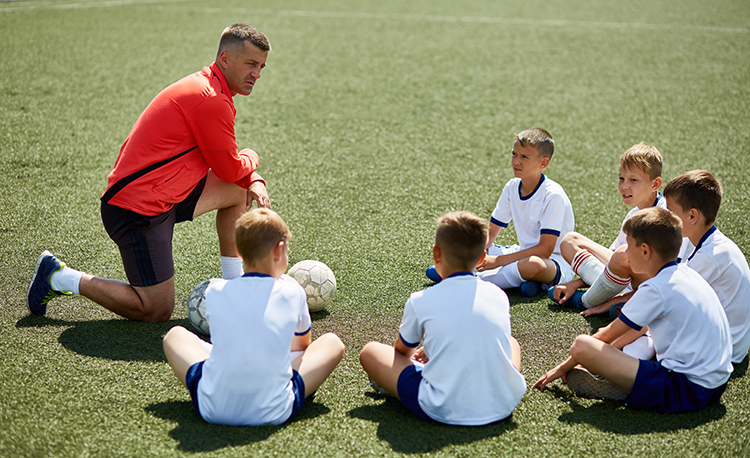
Why mindset is the missing piece in youth athletic development.
Every young athlete trains their body to run faster, react quicker, and play harder—but true performance excellence requires more than physical ability. Mental training builds focus, confidence, and resilience, enabling athletes to perform consistently under pressure. Just as strength training builds muscles, mindset training builds the foundation for success in both sports and life.
In short: A strong mind turns potential into performance.
Why Mental Training Matters
Mental training equips athletes with tools to handle adversity, maintain composure, and perform at their best when it matters most. Its benefits extend beyond competition, fostering personal growth and emotional balance.
Key benefits include:
Improved Focus: Helps athletes stay present and avoid distractions during practice or games.
Better Stress Management: Techniques like deep breathing and mindfulness teach athletes to remain calm in high-pressure moments.
Enhanced Confidence: Positive self-talk and visualization replace fear and self-doubt with belief and clarity.
Resilience Building: Encourages athletes to recover quickly from mistakes and setbacks.
Consistency Under Pressure: Helps translate practice-day performance into game-day success.
Breaking Down Common Misconceptions
| Myth | Reality |
| “Mental training is only for athletes who struggle.” | It’s a proactive tool for anyone seeking consistent performance. |
| “It’s less important than physical training.” | The mind directly influences how well physical skills are executed. |
| “It’s time-consuming.” | Most techniques take just a few minutes a day to create lasting impact. |
By normalizing mental training and addressing these misconceptions early, coaches and mentors can help athletes see it as essential—not optional.
How to Encourage Buy-In From Young Athletes
- Make It Relevant
Connect mental skills to real game scenarios. For instance, visualization can help a basketball player prepare for free throws, while mindfulness can help a soccer player refocus after missing a shot.
Tip: Share examples of professional or Olympic athletes who attribute success to mindset coaching—this makes the concept tangible and aspirational.
- Integrate It
Naturally Embed short mindset exercises into existing routines:
- Begin practice with one minute of mindful breathing.
- End sessions with reflection prompts like, “What went well today?” or “What can I improve next time?”
When these tools are woven into daily habits, athletes embrace them as part of their normal preparation.
- Keep It Engaging
Turn mental training into an interactive experience:
- Try focus games or quick visualization challenges.
- Use journaling for self-reflection and goal tracking.
- Introduce apps like Headspace, Calm, or Rewireto make the process tech-friendly and relatable.
Practical Tools to Get Started
| Technique | Purpose | When to Use |
| Visualization | Picture successful plays and outcomes | Before games or training |
| Breathing Exercises | Reduce nerves and improve composure | Daily (5 minutes) |
| Positive Self-Talk | Build confidence and calm under stress | Before and during competition |
| Journaling | Track emotions, progress, and mindset growth | After practices or games |
Celebrate improvements—whether it’s sharper focus, calmer reactions, or greater confidence. Recognizing these changes reinforces long-term engagement.
Building a Supportive Environment
Coaches: Model calmness, emotional regulation, and positive communication. Celebrate mental progress as much as physical milestones.
Parents: Encourage open, judgment-free conversations about stress, nerves, and confidence. Praise effort and mindset, not just outcomes.