
Sports Psychologist in Kansas City, MO
We train the other half of the athlete
You want to work on your mental game, but how do you train your brain?
Mental training does not get much media attention, but at MindBalanceSPORT we know it is a game changer. The mental skills you will learn at MindBalanceSPORT are generalizable in the classroom, in sport and in life!
We know that mental skills can be successfully taught, even at an early age.
Our Services



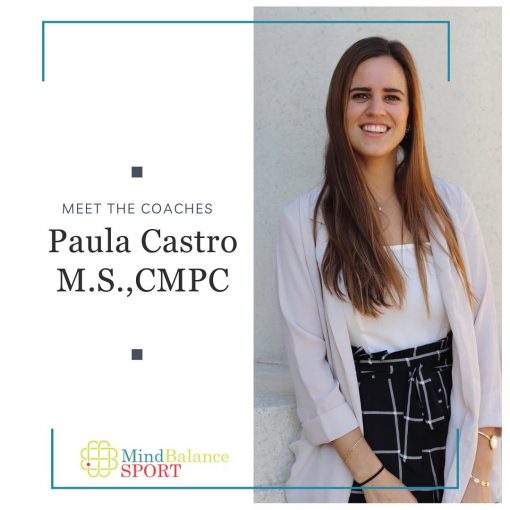
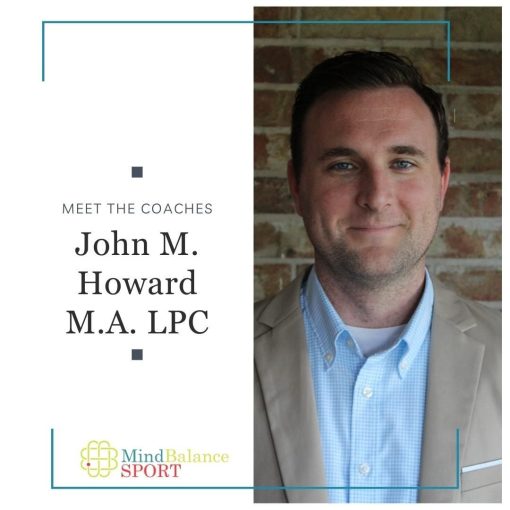
Meet the Team



testimonials
Athlete Stories: Real Comebacks, Real Results

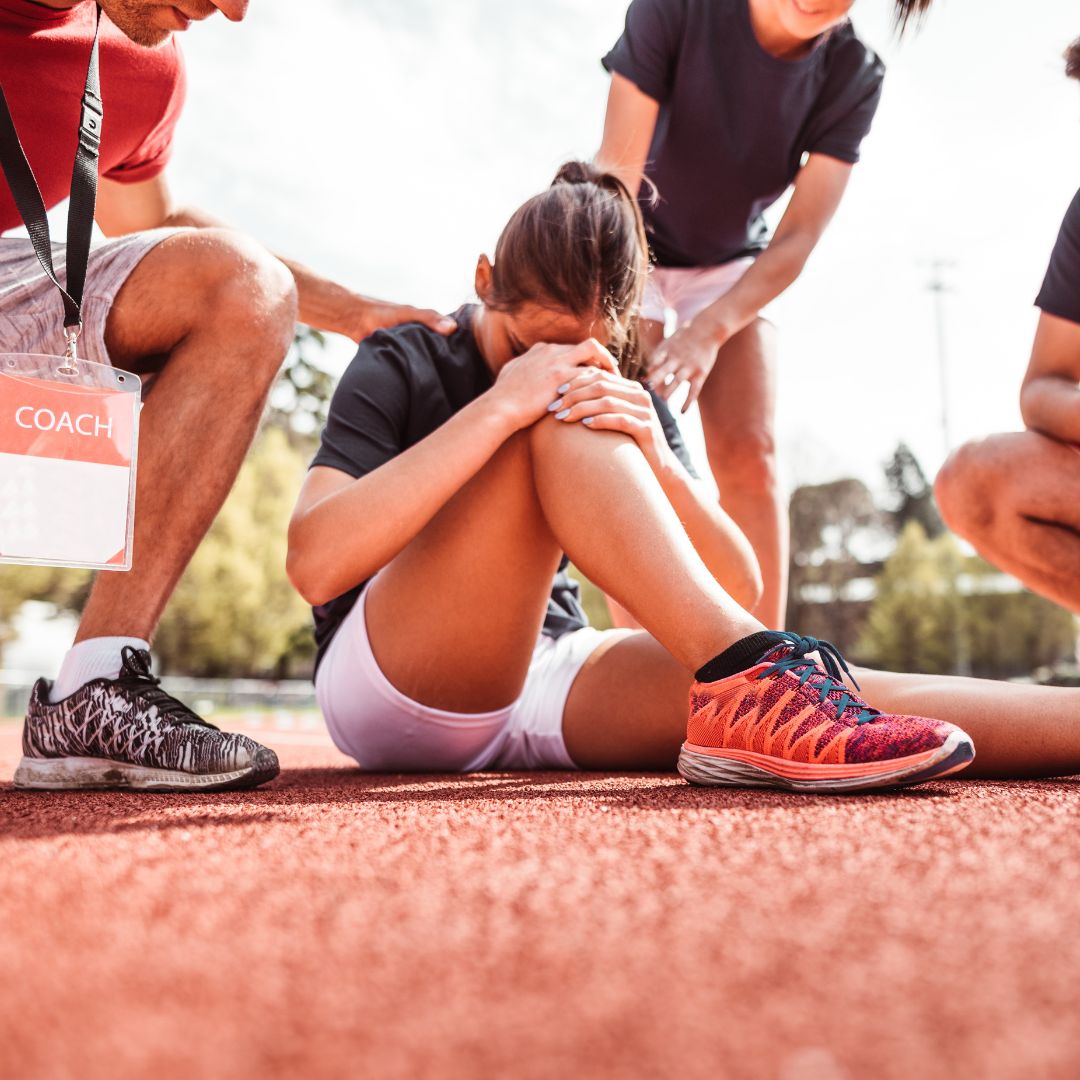
Emma, a high school basketball player, tore her ACL in the middle of her junior season. After surgery, she struggled with self-doubt and fear every time she stepped back on the court. Through sport psychology training, she learned visualization techniques and confidence-building exercises that helped her regain trust in her knee. When she returned for her senior season, she didn’t just play—she led her team to the playoffs.

Carlos, a soccer player, suffered a stress fracture in his foot and had to miss half of his season. Sitting out was mentally tougher than the pain itself. We worked on mental engagement strategies to keep him sharp—studying game film, setting small rehab goals, and using mental imagery to stay ready. When he was finally cleared, his confidence never wavered.

Jordan, a track athlete, strained her hamstring before a major competition. She feared losing speed and falling behind competitors. Instead of focusing on what she couldn’t do, we redirected her energy toward mental preparation, using self-talk and goal setting to keep her confidence strong. When she returned, she set a new personal record.
EXCELLENT Based on 30 reviews
 Posted on Google
 hank rochetteI decided to work with a mental performance coach because I struggled with self-doubt around my race-day performance. I wanted to understand where those doubts came from and learn how to show up with greater confidence, focus, and certainty. Working with Brady has been a game changer. Through our work together, I now approach races feeling more relaxed, confident, and focused. Some of the most valuable tools I've developed include creating an alter ego for race day, understanding the difference between my internal and external scoreboards, and developing my personal pain pledge. These strategies have helped me perform with a stronger mindset and enjoy the process more. If you're looking to show up to your event, game, or race with greater confidence, certainty, and mental resilience, I highly recommend working with a mental performance coach—and Brady has been an outstanding guide throughout that journey.Posted on Google
 Ella ConnorI found my time at MindbalanceSPORT SUPER helpful. I improved a lot with my confidence in my own play and working on taking steps to reset after mistakes and in between points. This helped me achieve a lot more than I thought I would be able to. We were also able to create some impactful morning routines with meditation and mindfulness. I would highly recommend!!Posted on Google
 Nancy YasalonisWhat a great experience! Recently we had Brady Dinnsen work with our volleyball team to discuss various aspects of mental toughness. Some of the topics that were super helpful were Self-talk, Confidence, Next point mentality and Finishing. Brady would be an asset to any team looking to improve in these areas.Posted on Google
 Vicki AnagnostopoulosThis practice is doing amazing things for young athletes. I have had a top notch experience collaborating with providers at Mind Balance Sport. As a psychologist who does a lot of the clinical work with student athletes, the added component of mental performance coaching really catalyzes growth and well-being. I highly recommend.Posted on Google
 Kristin HumeI am a marathon runner with some big goals for myself. In my last three marathons, I’ve struggled with some serious mental blockers in the later miles, and I’ve disappointed myself. In just 3 sessions so far, Paula has shown me how much my mental game is slowing me down. She’s armed me with actionable strategies to tackle my mental demons so that I can achieve what I think I am capable of. More than that, she’s helped me recover my “why” so that I can find joy in running again. She has been life changing. I am a 9x marathoner, yet I didn’t realize how much our mindset can shape our running experience, and how critical it is to train our brains along with our bodies. She’s getting me ready to take on my second Boston marathon this spring, and I can’t wait!Posted on Google
 Jacey SprattMy daughter (now 13) is a highly motivated and dedicated competitive gymnast who currently changed 16 hours a week. We hired Paula Castro a couple of years ago to work with her, as she was struggling with the stress/expectations of meets as well as some of the dynamics in the gym. Paula was a godsend; she helped make competitions more enjoyable/less stressful for her. She also provided useful tools and strategies that despite her young age, really resonated with her. My daughter attributes her gymnastics advancement in large part due to her work with Paula. We could not recommend her more highly and hope to work with her again in the future.Posted on Google
 Lauren WoolbertMy daughter and I loved working with Paula! I was worried that my kid may be too young, but it was so helpful to really find what the sport means to my daughter. And now we have several tools we can use in different situations to help re-focus and strengthen her mental game. We will definitely be calling her back if and when we hit an inevitable rough patch!Posted on Google
 Josh NotesIt has been great to use their guidance, tools and support to help our pre-teen athlete with mental focus and emotional regulation during competition.
Recovery
While Everyone Has A Physical Ceiling, There Is No Mental Ceiling.
The Importance of Sports Counselling in Kansas City, MO for Building a Strong Mental Game
In competitive sports games, the in-game leader plays an essential role in building a team’s mental strength. They are the strategists and motivators who guide the team towards achieving their objectives. They help manage challenges, handle pressure and shape the overall competition’s psychological aspects.
The responsibilities of an in-game leader extend beyond the physical aspects of the game. They require a strong understanding of their team’s strengths and weaknesses to enhance performance levels under high-stakes situations.
- Motivation: In-game leaders play a pivotal role in keeping morale high and encouraging teammates to exceed their potentials.
- Communication: Effective communication is vital for coordinating strategies, providing updates, and ensuring every member is on the same page.
- Decision Making: The in-game leader often makes split-second decisions that can make or break a match, requiring sound judgement and confidence.
- Managing Pressure: Leaders also have to manage their stress levels while helping other members handle the tension.
They are also responsible for setting a positive tone, displaying resilience, fostering unity among team members, and creating an atmosphere conducive to optimal performance.
One key aspect of being an effective in-game leader is developing an understanding of sports psychology. This involves techniques for managing anxiety, improving focus and concentration, harnessing motivation effectively and promoting resilience within the team.
A successful leader should also be able to adapt to changing circumstances within the game swiftly. This rapid adaptability can help capitalize on opportunities presented during matches or adjust strategies when things are not going as planned.
Moreover, they should be instrumental in facilitating post-match reflection—evaluating what worked well during games, identifying areas for improvement, discussing how to better handle pressure situations moving forward. This reflective practice can significantly contribute to improving mental toughness over time among athletes.
In essence, an effective in-game leader acts as a facilitator for mental performance enhancement. They integrate sport psychology principles into game strategies, fostering a mentally strong team capable of handling the intense demands of competitive sports games. Through effective communication, motivation, strategic decision-making, and resilience management, they create an environment that maximizes their team’s psychological readiness and adaptability.
Understanding Performance Psychology in Kansas City, MO
The mindset of snipers, or sharpshooters, in competitive sports games is a unique blend of mental fortitude, precision, patience, and resilience. These athletes are often under immense pressure to perform at pivotal moments in the game. The mental approach they adopt significantly influences their performance.
A key characteristic of successful snipers is their high level of mental sharpness. This involves an acute awareness of their surroundings and an exceptional ability to focus even amidst high-pressure situations. Mental sharpness also enables these athletes to react quickly and effectively to rapidly changing game dynamics.
In competitive sports games, snipers often have to wait for the perfect opportunity to take their shot. This requires a great deal of patience which is a critical part of their mindset. Patience helps them maintain composure and make calculated decisions rather than rushing into action.
Resilience is another integral part of a sniper’s mindset. They might miss a crucial shot but they have to rapidly recover from any setback or failure. They must be mentally prepared to bounce back with determination and focus on the next task at hand.
The nature of the role places significant pressure on snipers in competitive sports games. They are often required to make critical plays that can change the course of the match. Therefore, developing effective coping mechanisms for stress is crucial for these athletes.
Self-confidence is an essential quality in this role too. Snipers must trust their skills and abilities, especially when taking shots that can influence the outcome of the match.
- Mental Sharpness: Enables quick reaction times and adaptability
- Patience: Allows for calculated decision-making
- Resilience: Provides ability to recover from setbacks
- Handling Pressure: Develops coping mechanisms for stress
- Self-Confidence: Trust in one’s own abilities
These characteristics are not innate. They are developed and honed through rigorous mental training exercises and real-world practice. This is where the role of sports psychologists comes into play. They help athletes cultivate these mental skills, prepare for high-pressure situations, cope with stress, and build resilience.
A sniper’s mindset is not solely about having an accurate aim, but also about having a strong mental game. Their psychological preparation is as important as their physical training. By understanding and adopting the right mindset, snipers can enhance their performance significantly in competitive sports games.
Boost Your Game with Sport Performance Training in Kansas City, MO
In competitive sports matches, the role of assaulters often involves high-stakes, high-pressure situations. These athletes are tasked with securing points, scoring goals, or making critical plays that can swing a game’s outcome. Such responsibilities require not just physical skill and talent but also a significant amount of psychological resilience.
Psychological resilience refers to the ability to mentally or emotionally cope with a crisis or return to pre-crisis status quickly. In sports, this could mean bouncing back from a mistake, handling the pressure of competition, or dealing with personal issues off the field that could impact performance.
- Stress Management: Handling stress effectively is crucial for assaulters. They need to remain calm and composed even when under significant pressure. Techniques such as mindfulness training and deep-breathing exercises can help athletes manage their stress levels.
- Focus on Goals: Assaulters should keep their attention on their short-term goals during matches and long-term goals during training. This helps them avoid distractions and remain motivated.
- Self-Belief: Confidence in one’s abilities is vital for any athlete but even more so for assaulters given their critical role in matches. Self-belief can be cultivated through positive self-talk, visualizing success, and celebrating achievements no matter how small.
- Support Network: A strong support network of coaches, teammates, friends, and family can provide emotional backing when things get tough. This network can offer encouragement and reassurance during challenging times.
- Mental Conditioning: Just as physical conditioning enhances an athlete’s muscular strength and endurance, mental conditioning boosts an athlete’s psychological resilience. This could involve cognitive exercises to improve concentration or working with a sports psychologist to address specific concerns.
It’s not just about building resilience; maintaining it is equally important. Assaulters should regularly assess their mental well-being, taking note of any changes in their mood or mindset. They should never be hesitant to seek help if they feel overwhelmed, as professional support can be invaluable in maintaining psychological resilience.
Ultimately, the mental toughness required of assaulters in high-stakes matches is no less critical than physical preparedness. It could very well make the difference between victory and defeat. However, it’s important to remember that psychological resilience isn’t developed overnight; it takes time and consistent effort. With the right strategies and support, though, assaulters can build the mental fortitude needed for success on the biggest stages of their sports.
Unleashing Athletic Potential: A Sports Mental Coach in Kansas City, MO
In the realm of competitive sports, the position of a support player often goes unnoticed yet plays an integral role in team success. A support player is responsible for creating opportunities for the team, facilitating strategic plays, and generally contributing to the overall performance of the team. This role calls for more than just physical prowess; it demands a complex combination of mental strength, adaptability, and exceptional communication skills.
The Role of Psychological Preparedness
As a support player, you are required to possess an unwavering mental fortitude. It is not uncommon for these players to be under immense pressure to perform well consistently. They need to maintain composure and continue contributing positively even when their individual performance may not be as lauded as that of the star players.
- Adaptability: A support player must be versatile enough to adapt to changing game dynamics. Their psychological preparedness involves quickly analyzing situations and making swift decisions that benefit the team.
- Resilience: Mental resilience is essential in dealing with criticisms or setbacks. A resilient mindset allows the support player to bounce back from difficult situations and maintain their focus on the game.
- Confidence: Confidence is key in executing plays effectively. It empowers players to take calculated risks for the overall advantage of their team without fear of failure or criticism.
Teamwork & Communication: The Backbone of Success
One crucial responsibility that lies on the shoulders of a support player is fostering teamwork and ensuring smooth communication amongst all teammates.
- Encouragement: Support players regularly motivate their teammates, providing moral support especially during challenging periods in games.
- Conflict Resolution: They often act as mediators during internal conflicts or disagreements within teams, aiding in maintaining harmony.
- Strategy Articulation: As part of their role, they articulate strategies effectively ensuring everyone understands their roles clearly.
In-Game Leadership
Support players often assume an in-game leadership role. They have a unique vantage point, able to see the broader picture and guide their teammates strategically.
- Situational Awareness: They keep track of various aspects of the game, making them invaluable resources for strategizing.
- Decision Making: Their decisions can significantly impact the team’s success. Hence, it’s crucial for them to trust their instincts and make calculated moves.
- Guidance: They often guide other teammates, advising them on positioning and tactics based on their overall view of the game.
Being a support player is a demanding role requiring a unique set of skills beyond physical capabilities. It requires exceptional mental strength, effective communication skills, and adaptability in dynamic situations. So while they may not always be in the limelight, their contribution is significant in creating a cohesive team and driving it towards success.
Comprehensive Overview of Sports Psychiatry in Kansas City, MO: Enhancing Athletic Performance and Adaptability
In the realm of sports, an all-rounder is a player who has the skills and the aptitude to perform well in multiple aspects of a sport. As such, these athletes need a unique approach to their psychological preparation and must exhibit exceptional adaptability.
- Mental Imagery: This technique involves visualizing different scenarios that might occur during a game. It helps players to prepare for a variety of situations, enhancing their ability to adapt swiftly when necessary.
- Goal Setting: By setting both short-term and long-term goals, all-rounders maintain focus and motivation. These goals could be related to specific skills or overall performances.
- Relaxation Techniques: All-rounders often use deep breathing, progressive muscle relaxation (PMR), or meditation to maintain calmness during high-stress situations.
- Positive Self-Talk: This strategy helps all-rounders maintain confidence in their abilities despite the pressure they may face on the field.
The adaptability of an all-rounder is truly what sets them apart from more specialized players. Their ability to excel in multiple aspects requires them not only physically but also mentally adaptable.
- Quick Decision Making: The nature of being an all-rounder demands quick decisions based on the changing dynamics of the game. Training this skill can help the athlete adjust rapidly during crucial moments.
- Emotional Stability: Emotional stability allows an all-rounder to stay focused regardless of highs or lows during a match. They have learned how best to handle their emotions allowing them maximum performance without getting overly emotional or stressed.
- Openness to Learning: All-rounders must be open-minded towards learning and improving a variety of skills. This openness to continual improvement aids in their overall adaptability.
- Resilience: The ability to bounce back from poor performances or mistakes is crucial for all-rounders. Their resilience enables them to still perform well despite setbacks.
- Confidence: All-rounders must have confidence in their abilities to carry out a variety of roles within their sport.
- Motivation: A strong internal motivation drives all-rounders to improve and excel in multiple aspects of their sport.
In assessing the psychological preparations and adaptability of all-rounders, one can understand why these athletes are invaluable additions to any sports team: they bring versatility, resilience, and an unwavering mental fortitude that bolsters their performance across the board.
Exploring the Role of Sports Psychologists in Kansas City, MO
Mental toughness is an attribute that is often mentioned whenever the topic of sports and athletics is discussed. The term is used to describe a collection of psychological attributes and skills that allow individuals to consistently perform at their peak, regardless of the prevailing circumstances or conditions.
Finding a Sports Psychologist Near Me to Foster Mental Toughness
In sports psychology, mental toughness is defined as an athlete’s ability to focus, rebound from failure, cope with pressure and competition, and persist in the face of adversity. It’s a measure of individual resilience and confidence that may predict success in sport.
- Confidence: An athlete must have self-belief and a positive self-image.
- Motivation: A high degree of internal motivation is essential to push oneself beyond comfort zones.
- Focus: Athletes must maintain concentration despite external distractions.
- Composure: The ability to keep cool under pressure is crucial during competitions.
- Resilience: This involves bouncing back from setbacks or failures.
Importance of Mental Toughness in Sports
A key reason why mental toughness is essential for athletes stems from the nature of sports itself, which typically involves highly competitive environments where small margins can determine success or failure.
- Difficult Conditions: Sports often require athletes to perform under challenging conditions which can test their physical endurance as well as psychological strength.
- High Stakes: In high-stakes matches, athletes need mental fortitude to manage stress and maintain performance levels.
- Dealing with Failure: Losses are inevitable in sports. Being mentally tough helps athletes cope with these setbacks and use them as learning experiences.
- Maintaining Consistency: Consistent performance requires not just physical training but also a strong mental game complementing it.
- Team Performance: In team sports, the collective mental toughness of the team can influence overall performance.
Developing Mental Toughness
Developing mental toughness is a process that involves various strategies such as goal setting, self-talk, visualization, and relaxation techniques. Psychologists and coaches often collaborate to design mental training programs to enhance an athlete’s mental toughness. These programs aim to shift thought patterns towards positive and productive avenues, increase stress tolerance, improve concentration, and build resilience.
Sports psychology recognizes that physical skill alone does not guarantee success in sports. It underscores the need for mental toughness in athletes for them to fulfill their potential. An athlete with a strong mind will not only achieve personal success but also contribute significantly to team success. The grit, determination, resilience and focus that define mental toughness are traits worth nurturing in any athlete aiming for the pinnacle of their sport.