
Sports Psychologist in Los Angeles, CA
We train the other half of the athlete
You want to work on your mental game, but how do you train your brain?
Mental training does not get much media attention, but at MindBalanceSPORT we know it is a game changer. The mental skills you will learn at MindBalanceSPORT are generalizable in the classroom, in sport and in life!
We know that mental skills can be successfully taught, even at an early age.

Our Services






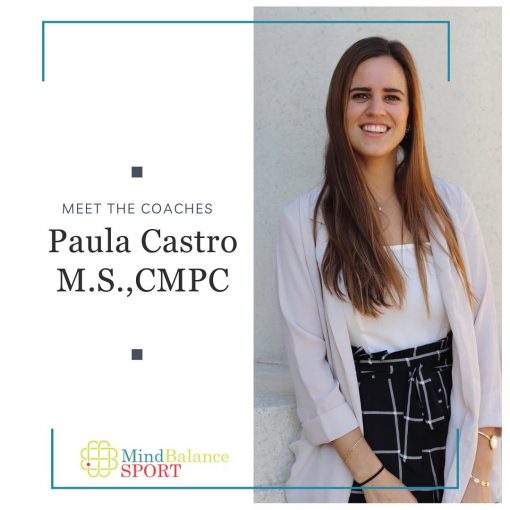
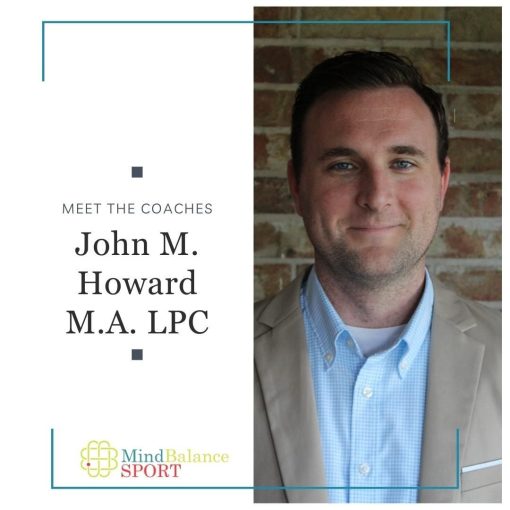
Meet the Team



testimonials
Athlete Stories: Real Comebacks, Real Results

Emma, a high school basketball player, tore her ACL in the middle of her junior season. After surgery, she struggled with self-doubt and fear every time she stepped back on the court. Through sport psychology training, she learned visualization techniques and confidence-building exercises that helped her regain trust in her knee. When she returned for her senior season, she didn’t just play—she led her team to the playoffs.

Carlos, a soccer player, suffered a stress fracture in his foot and had to miss half of his season. Sitting out was mentally tougher than the pain itself. We worked on mental engagement strategies to keep him sharp—studying game film, setting small rehab goals, and using mental imagery to stay ready. When he was finally cleared, his confidence never wavered.

Jordan, a track athlete, strained her hamstring before a major competition. She feared losing speed and falling behind competitors. Instead of focusing on what she couldn’t do, we redirected her energy toward mental preparation, using self-talk and goal setting to keep her confidence strong. When she returned, she set a new personal record.
EXCELLENTTrustindex verifies that the original source of the review is Google. I decided to work with a mental performance coach because I struggled with self-doubt around my race-day performance. I wanted to understand where those doubts came from and learn how to show up with greater confidence, focus, and certainty. Working with Brady has been a game changer. Through our work together, I now approach races feeling more relaxed, confident, and focused. Some of the most valuable tools I've developed include creating an alter ego for race day, understanding the difference between my internal and external scoreboards, and developing my personal pain pledge. These strategies have helped me perform with a stronger mindset and enjoy the process more. If you're looking to show up to your event, game, or race with greater confidence, certainty, and mental resilience, I highly recommend working with a mental performance coach—and Brady has been an outstanding guide throughout that journey.Posted on GoogleTrustindex verifies that the original source of the review is Google. I found my time at MindbalanceSPORT SUPER helpful. I improved a lot with my confidence in my own play and working on taking steps to reset after mistakes and in between points. This helped me achieve a lot more than I thought I would be able to. We were also able to create some impactful morning routines with meditation and mindfulness. I would highly recommend!!Posted on GoogleTrustindex verifies that the original source of the review is Google. What a great experience! Recently we had Brady Dinnsen work with our volleyball team to discuss various aspects of mental toughness. Some of the topics that were super helpful were Self-talk, Confidence, Next point mentality and Finishing. Brady would be an asset to any team looking to improve in these areas.Posted on GoogleTrustindex verifies that the original source of the review is Google. This practice is doing amazing things for young athletes. I have had a top notch experience collaborating with providers at Mind Balance Sport. As a psychologist who does a lot of the clinical work with student athletes, the added component of mental performance coaching really catalyzes growth and well-being. I highly recommend.Posted on GoogleTrustindex verifies that the original source of the review is Google. I am a marathon runner with some big goals for myself. In my last three marathons, I’ve struggled with some serious mental blockers in the later miles, and I’ve disappointed myself. In just 3 sessions so far, Paula has shown me how much my mental game is slowing me down. She’s armed me with actionable strategies to tackle my mental demons so that I can achieve what I think I am capable of. More than that, she’s helped me recover my “why” so that I can find joy in running again. She has been life changing. I am a 9x marathoner, yet I didn’t realize how much our mindset can shape our running experience, and how critical it is to train our brains along with our bodies. She’s getting me ready to take on my second Boston marathon this spring, and I can’t wait!Posted on GoogleTrustindex verifies that the original source of the review is Google. My daughter (now 13) is a highly motivated and dedicated competitive gymnast who currently changed 16 hours a week. We hired Paula Castro a couple of years ago to work with her, as she was struggling with the stress/expectations of meets as well as some of the dynamics in the gym. Paula was a godsend; she helped make competitions more enjoyable/less stressful for her. She also provided useful tools and strategies that despite her young age, really resonated with her. My daughter attributes her gymnastics advancement in large part due to her work with Paula. We could not recommend her more highly and hope to work with her again in the future.Posted on GoogleTrustindex verifies that the original source of the review is Google. My daughter and I loved working with Paula! I was worried that my kid may be too young, but it was so helpful to really find what the sport means to my daughter. And now we have several tools we can use in different situations to help re-focus and strengthen her mental game. We will definitely be calling her back if and when we hit an inevitable rough patch!Posted on GoogleTrustindex verifies that the original source of the review is Google. It has been great to use their guidance, tools and support to help our pre-teen athlete with mental focus and emotional regulation during competition.
Recovery
While Everyone Has A Physical Ceiling, There Is No Mental Ceiling.
Discovering Sports Psychologists in Los Angeles, CA: A Comprehensive Guide
The Association for Applied Sport Psychology (AASP) has consistently prioritized mental health awareness, and they’ve taken it a step further with their innovative 31-Day Challenge for Mental Health Awareness Month. This challenge is a unique initiative that provides an opportunity to promote mental health awareness, offering daily tasks throughout the month to encourage practices that boost mental well-being.
Meet the Top Sports Mental Coach in Los Angeles, CA
The AASP’s 31-Day Challenge is grounded on the principle that regular attention and care towards mental health can significantly enhance performance in sports and overall life satisfaction. The challenge, which runs throughout May – recognized as the Mental Health Awareness Month, comprises various activities designed to foster mindfulness, reduce stress, promote positivity, and build resilience.
- Foster an understanding of the importance of mental health in sports.
- Equip individuals with practical strategies to enhance their mental well-being.
- Develop a community that appreciates and works towards better mental health.
Exploring the World of Sports Psychiatry in Los Angeles, CA
A key feature of this challenge is its structure. Instead of overwhelming participants with complex tasks or concepts, it breaks down the process into simple daily activities that are easy to incorporate into one’s routine.
- Writing down three things you’re grateful for
- Spending ten minutes meditating or practicing mindfulness
- Engaging in physical activity like running or yoga
- Reflecting upon your strengths and victories
- Commending someone else’s achievements
Finding a Sports Psychologist Near Me and Their Importance
Sports psychology recognizes how integral the mind is in determining athletic performance. Therefore, addressing mental health becomes profoundly significant within this field. By encouraging athletes or even just sports enthusiasts to participate in this challenge, AASP directly addresses this crucial connection between psychological well-being and athletic success.
Impact on Participants
The impact of AASP’s 31-Day Challenge stretches beyond improving individual performance in sports. Participants are also likely to experience enhanced mental well-being and a better understanding of how to manage stress, anxiety, and other mental health-related concerns.
Additionally, participants have the opportunity to become part of an empathetic community that acknowledges the importance of mental health. This sense of community can provide a supportive environment for discussing mental health concerns without stigma or judgement.
A Pioneering Initiative
The Association for Applied Sport Psychology’s 31-Day Challenge is indeed a pioneering initiative in the realm of sports psychology. It has successfully amalgamated the significance of mental health awareness with practical ways to enhance it, providing a comprehensive approach towards fostering better psychological well-being. Organizations across various sectors could potentially benefit from implementing similar initiatives, as they offer pragmatic solutions to address the pressing issue of mental health in our society today.
The Importance and Impact of Mental Health Awareness Month: A 31-Day Challenge
Mental Health Awareness Month, recognized in May each year, plays a crucial role in highlighting the importance of mental health. In the field of sports psychology, this month represents an opportunity to raise awareness about mental health issues that athletes often face. The 31-day challenge initiated by the Association for Applied Sport Psychology (AASP) is an instrumental initiative that actively promotes mental well-being among athletes while also striving to eliminate the stigma associated with mental health.
The AASP’s 31-day challenge not only underscores the significance of mental health but also provides a structured and engaging way for athletes to focus on their psychological well-being. It emphasizes the critical link between physical performance and mental wellness, which is often overlooked in traditional athletic training programs.
- Enhanced Performance: Regularly taking part in activities that improve mental health can lead to better performance. It can help manage stress levels, increase concentration, improve decision-making skills, boost self-confidence, and facilitate more effective communication within teams.
- Stigma Reduction: This initiative helps normalize conversations about mental health within sports communities. By actively participating in these challenges, athletes can collectively contribute to reducing stigma around psychological disorders and promoting open discussions about their experiences.
- Improved Lifestyle: By focusing on improving their mental state, athletes are likely to make significant positive changes in their lifestyle. This includes healthier eating habits, regular exercise routines, quality sleep patterns, better time management strategies – all contributing to overall well-being.
- Prevention of Mental Illnesses: Participating in such initiatives can help detect early signs of potential psychological problems. Early detection can lead to early intervention which is usually more effective.
- Each day of the month focuses on a different aspect of mental health.
- Athletes are encouraged to perform a set of activities related to the daily theme and share their experiences.
- These daily tasks could involve various techniques ranging from mindfulness exercises, deep-breathing practices, setting personal goals, journaling reflections, and engaging in mental imagery.
- The activities are designed to be easily integrated into athletes’ routines and can be adjusted as per individual needs.
The 31-day challenge thus serves as a stepping stone towards initiating significant change in sports communities by fostering a positive environment that supports psychological well-being of athletes. It paves the way for holistic development by underlining the importance of mental health alongside physical fitness in sporting performance. This initiative also reinforces the necessity for sports psychologists in providing comprehensive support to athletes – a crucial element often undervalued in the realm of sports.
Comprehensive Weekly Breakdown: Week One to Five of the 31-Day Mental Health Challenge in Sports Psychology
Week One: Building Awareness and Understanding
- Start a journal: Document emotions, thoughts, and observations about mental state.
- Practise mindfulness: Begin with simple meditation exercises.
- Assess personal mental health: Use self-assessment tools available.
Week Two: Developing Healthy Habits
- Make time for relaxation: Incorporate relaxation techniques into daily routine.
- Exercise regularly: Engage in physical activity that boosts mood.
- Eat healthily: Choose foods that support brain function.
Week Three: Strengthening Resilience
- Set achievable goals: These goals can be short or long-term.
- Foster positive relationships: Spend quality time with supportive people.
- Practice problem-solving skills: Address issues in a constructive manner.
Week Four: Maintaining Progress
- Regularly review progress made through journal entries.
- Recognize patterns and triggers of stress or anxiety.
- Continually incorporate learned healthy habits into daily life.
Week Five (Bonus): Solidifying Practices
- Refine any areas that may still be challenging.
- Implement strategies learned during the challenge into everyday routines.
- Continue to journal, perhaps setting new mental health goals for the future.
The 31-day Mental Health Challenge in Sports Psychology is not just limited to athletes. Coaches, sports practitioners and anyone involved in sports can also benefit from this program. While it’s emphasized during Mental Health Awareness Month, these practices are valuable year-round. Remember, mental health like physical health is an ongoing journey of growth and improvement.
Exploring the Importance of Sports Counselling in Los Angeles, CA
Sports psychology is a field that deals with the mental health and well-being of athletes. During Mental Health Awareness Month, various daily challenges are often introduced within this scope to promote mental wellness. These challenges focus on different aspects of mental wellness and aim at fostering a better understanding of their significance in sports performance.
Critical Components of Daily Challenges
- Mindfulness Exercises: These exercises aim to enhance an athlete’s concentration level and maintain focus during stressful situations.
- Relaxation Techniques: These techniques help athletes manage stress and anxiety which are common occurrences in competitive sports.
- Goal-Setting Activities: Engaging in goal-setting activities helps athletes stay motivated, enhanced self-efficacy, and improved performance.
- Positive Affirmations: This exercise helps reinforce positive self-belief amongst athletes which can boost confidence levels significantly.
The Structure of Daily Challenges
Daily challenges are typically structured such that they become gradually more complex as the month progresses. The idea is to start with simple tasks that instill basic concepts about mental health, gradually moving towards more complicated activities. This progression provides an incremental learning curve for athletes to grasp the nuances of maintaining psychological well-being.
For instance, a typical daily challenge may begin with simply acknowledging one’s feelings or emotions (Day 1), then progress towards practicing deep-breathing exercises (Day 2), followed by setting personal goals (Day 3), learning to meditate (Day 4), and so forth.
Importance of Consistency
Consistency is key when participating in these daily challenges. Regular participation allows athletes to cultivate healthy habits that can significantly improve their mental health over time. Moreover, it allows them to understand the impact of these practices on their overall performance and well-being.
Role of Sports Psychologists
The role of sports psychologists in these daily challenges is crucial. They not only design these daily challenges but also monitor the progress of athletes throughout the month. They provide necessary guidance and support, helping athletes overcome any difficulties they might face during the challenge.
In sum, understanding the structure and significance of daily challenges during Mental Health Awareness Month can help athletes comprehend their importance in sports psychology. Participating in these challenges can provide a comprehensive understanding of various mental health practices and techniques, ultimately bettering their performance and overall well-being.
Exploring Performance Psychology in Los Angeles, CA: An Insightful Perspective
Many people are unaware of the vital role that mental health plays in sports performance. As a Sports Psychologist, we understand the significance of mental fortitude and resilience, which is why resources that increase awareness and foster mental well-being are so crucial. A comprehensive program like the 31-Day Mental Health Challenge not only enhances individual capabilities but also creates an environment conducive to growth and progress. Here, we’ll explore several valuable resources incorporated in this challenge and how they contribute to achieving its objectives.
Educational Materials
- Books: Reading materials provide depth and breadth on topics such as maintaining focus during performance, managing stress, anxiety and other emotions, as well as building resilience.
- Articles: These provide quick insight into latest research findings, techniques for enhancing mental toughness among athletes, handling high-pressure situations etc.
- Videos/Podcasts: Multimedia content helps deliver information in a digestible format which makes it more engaging.
Interactive Sessions
- Webinars/Seminars: They offer participants the chance to learn from experts in sports psychology who share their insights on various topics related to athletes’ mental health.
- Q&A Sessions: Open-ended interactive sessions where athletes can seek answers from professionals for any queries they have related to their mental health.
- Workshops: These sessions allow athletes to practice techniques under guidance such as mindfulness meditation or cognitive behavioral skills, which can enhance their psychological fitness.
Personalized Feedback
Throughout the challenge duration, participants receive personalized feedback from psychologists based on their performance. This helps them understand where they stand regarding their goals and what they need to do next.
Digital Applications
- Mental Health Apps: These offer resources like meditation guides, sleep tips, stress management techniques and more.
- Fitness Trackers: They are used to monitor physical activities which can indirectly influence mental health.
Support Groups
Finally, the challenge provides access to support groups where athletes can share their experiences and learn from each other. This helps in fostering a sense of community which is beneficial for mental health.
By incorporating these resources into the 31-Day Mental Health Challenge, sports psychologists aim to equip athletes with a comprehensive toolkit necessary for managing their mental health. This holistic approach encourages resilience, focus and overall well-being among athletes which in turn enhances their performance on the field.
Exploring Sport Performance Training in Los Angeles, CA: A Comprehensive Approach
The evaluation of a comprehensive 31-day challenge for mental health in sports psychology is important to understand its efficiency and potential benefits. The challenge’s effectiveness is assessed by documenting its impact on individual athletes, teams, and the broader sports community.
Measurements of Effectiveness
- Pre- and Post-Challenge Assessment: This involves comparing baseline mental health condition before starting the challenge against post-challenge findings. This can be done using standard psychological tests or questionnaires such as the Mental Health Inventory (MHI) or Generalized Anxiety Disorder 7-item scale (GAD-7).
- Progress Tracking: Regular monitoring throughout the month to observe changes in participants’ mental states. Progress tracking tools like journals or online platforms can be used.
- Participant Feedback: Encourage participants to share their experiences at the end of each week or at the conclusion of the 31-day challenge. This feedback can provide qualitative data about which aspects were helpful, challenging, or need improvement.
- Long-Term Impact Study: Follow-up studies conducted months after completion of the challenge can help determine if any positive changes were sustained long-term.
Case Studies
- Case Study 1: A professional basketball team reported decreased levels of stress and improved team cohesion after participating in a similar 31-day mental health challenge.
- Case Study 2: In another case, an Olympic gymnast showed significant improvements in focus and concentration after completing a month-long mental health program designed by her sports psychologist.
Expert Opinion on Effectiveness
Many sports psychologists affirm that these challenges are effective methods for fostering better mental health among athletes. They emphasize the importance of incorporating mental health practices into daily routines—a key component of these 31-day challenges.
Dr. James Bell, a renowned sports psychologist, states, “The 31-day challenge helps athletes identify and implement strategies to address their unique mental health needs. The results are often eye-opening and transformative.”
Similarly, Dr. Sydney Smith noted that the program’s effectiveness lies in its structure: “The challenge is designed to gradually build mental resilience over the month. Each day introduces new tasks that encourage athletes to explore different aspects of their mental wellbeing.”
Concluding Remarks
Assessing the effectiveness of a comprehensive 31-day challenge for mental health in sports psychology provides valuable insights into potential benefits and areas for improvement. Regular assessment allows sports psychologists to refine these programs, ensuring they remain relevant and beneficial for diverse athletes’ needs.