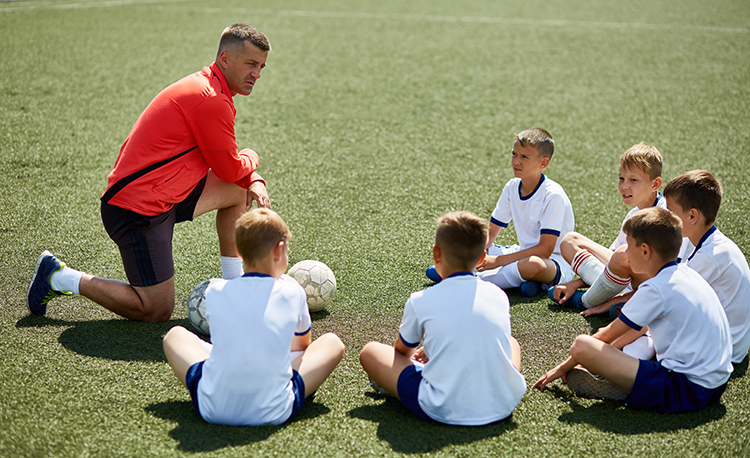
How constructive coaching builds confidence, motivation, and long-term success.
Every young athlete begins their journey with enthusiasm, potential, and a desire to improve. Yet this foundation can be easily undermined when coaching relies too heavily on criticism. While feedback is essential for progress, harsh or poorly delivered critique can erode confidence, increase anxiety, and reduce motivation. Constructive communication, not constant correction, is what truly helps athletes thrive, both on and off the field.
In short: Positive, balanced coaching creates stronger athletes, healthier team dynamics, and more enduring passion for sport.
The Impact of Excessive Criticism
Coaches often believe that being highly critical motivates athletes to perform better. However, research and experience show the opposite: overly critical environments can have lasting negative effects on young athletes’ development.
Common outcomes include:
- Reduced Self-Confidence: Constant negative feedback causes athletes to question their abilities and focus on mistakes.
- Fear of Failure: When errors are punished, athletes become risk-averse, avoiding new challenges.
- Diminished Motivation: Sports shift from a source of joy to a source of pressure.
- Damaged Relationships: Harsh communication weakens trust, making athletes less receptive to guidance.
The Power of Constructive Feedback
Constructive feedback strengthens skill and confidence simultaneously. It encourages growth without discouragement, helping athletes feel supported even when improvement is needed. Positive reinforcement has been shown to enhance resilience, increase effort, and improve overall performance.
Effective feedback should be:
- Specific: Target behaviors, not personal traits (e.g., “Keep your knees bent on defense,” not “You’re doing it wrong”).
- Balanced: Pair praise with actionable guidance.
- Private: Deliver sensitive feedback one-on-one.
- Actionable: Offer clear, achievable steps for improvement.
From Criticism to Constructive Coaching
| Critical Approach | Constructive Alternative |
| “You always miss that shot.” | “Your form is improving—let’s work on your timing next.” |
| “That was terrible defense.” | “I liked your hustle—let’s refine your positioning next time.” |
| “You’re too slow.” | “Try shorter strides to increase your speed.” |
Reframing critique into constructive direction helps athletes see mistakes as learning opportunities rather than failures. This fosters a growth mindset, where effort and persistence are viewed as the keys to success.
Practical Coaching Strategies
- Balance Feedback: Use the “sandwich method”—praise, constructive suggestion, encouragement.
- Recognize Effort Over Outcomes: Reward hard work, even when results aren’t perfect.
- Encourage Reflection: Ask, “What do you think went well?” to build self-awareness.
- Celebrate Small Wins: Acknowledge progress to maintain motivation and morale.
- Model Positivity: Stay composed under pressure—athletes mirror your tone and attitude.
Cultivating Confidence and Resilience
Choosing encouragement over criticism doesn’t mean lowering expectations—it means communicating in ways that inspire growth. When coaches emphasize progress over perfection, athletes develop resilience, motivation, and lasting love for the game.
Constructive coaching not only enhances performance but also strengthens emotional well-being. By leading with empathy and purpose, coaches help young athletes build confidence that extends far beyond sport.