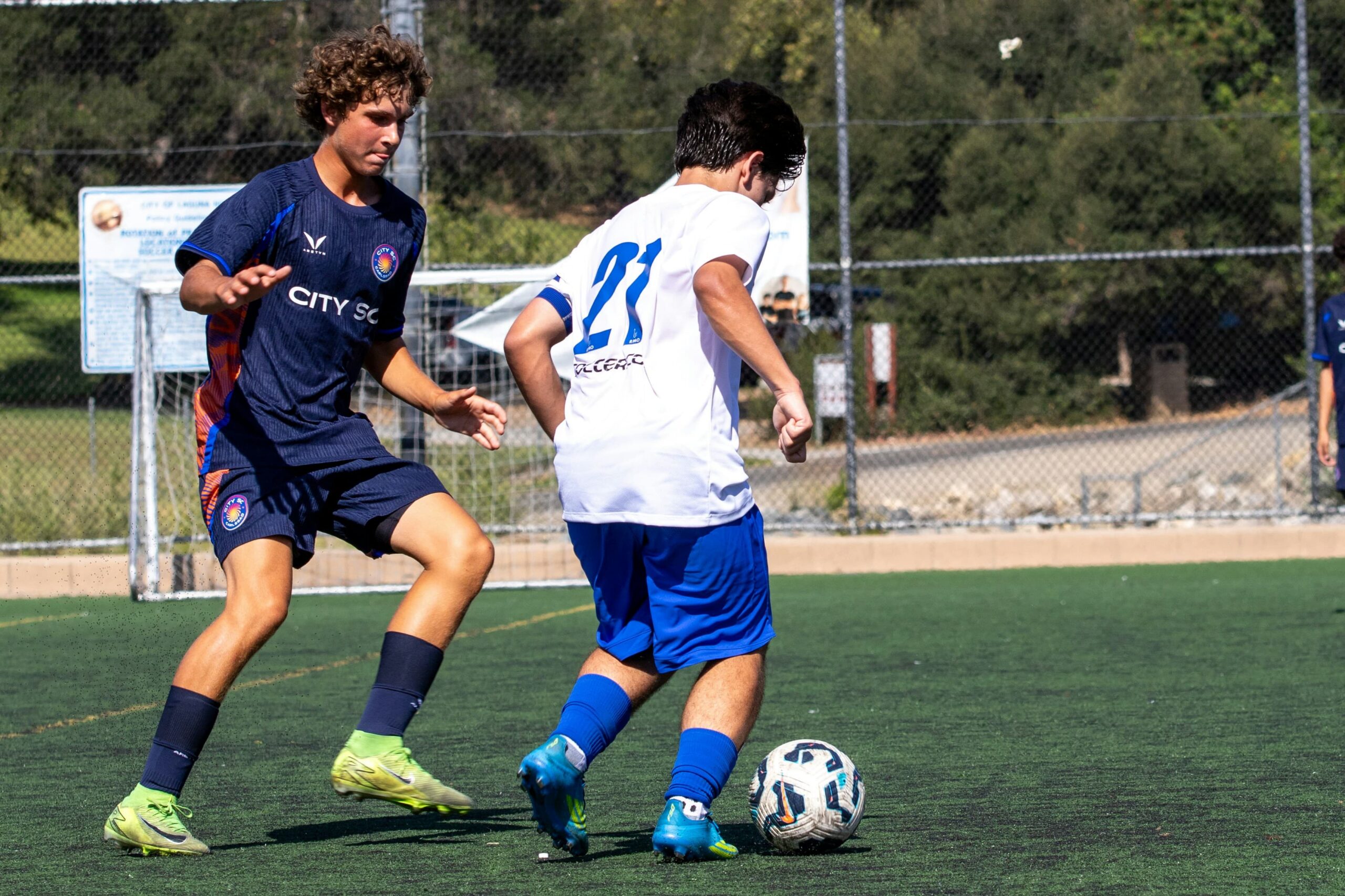
In today’s competitive youth sports culture, early sport specialization – focusing on one sport exclusively from a young age – has become increasingly common. While much of the conversation has centered around the physical dangers, such as overuse injuries, the psychological implications are equally concerning and deserve greater attention.
Identity Foreclosure and Pressure to Perform
Children who specialize early often develop an identity foreclosure, where their sense of self becomes tied to their role as an athlete. Without the chance to explore other interests or identities, they may:
- Struggle to cope with failure or injury
- Feel their self-worth depends solely on performance
- Experience heightened anxiety and pressure from a young age
Social Isolation and Burnout
Specializing in one sport can narrow a child’s social world and support system. When their team is their only peer group, this can lead to:
- Fewer opportunities to form diverse friendships
- Increased risk of burnout due to lack of variety or mental breaks
- Emotional distress when performance declines or interests shift
Why Variety Supports Mental Wellness
From a sport psychology perspective, multi-sport participation during childhood and adolescence:
- Builds resilience through exposure to different team dynamics and roles
- Encourages creativity, adaptability, and intrinsic motivation
- Provides emotional outlets and protects against perfectionism
Final Thoughts
Sport should be a space for growth, confidence, and joy, not pressure or identity loss. Parents, coaches, and athletes must consider not only the physical but also the mental consequences of early specialization. Promoting variety and psychological balance early on helps young athletes thrive long-term, in sport and beyond.
Concerned about your athlete’s mindset or motivation? MindBalanceSPORT helps youth and elite athletes develop healthy identities and lasting confidence—on and off the field.